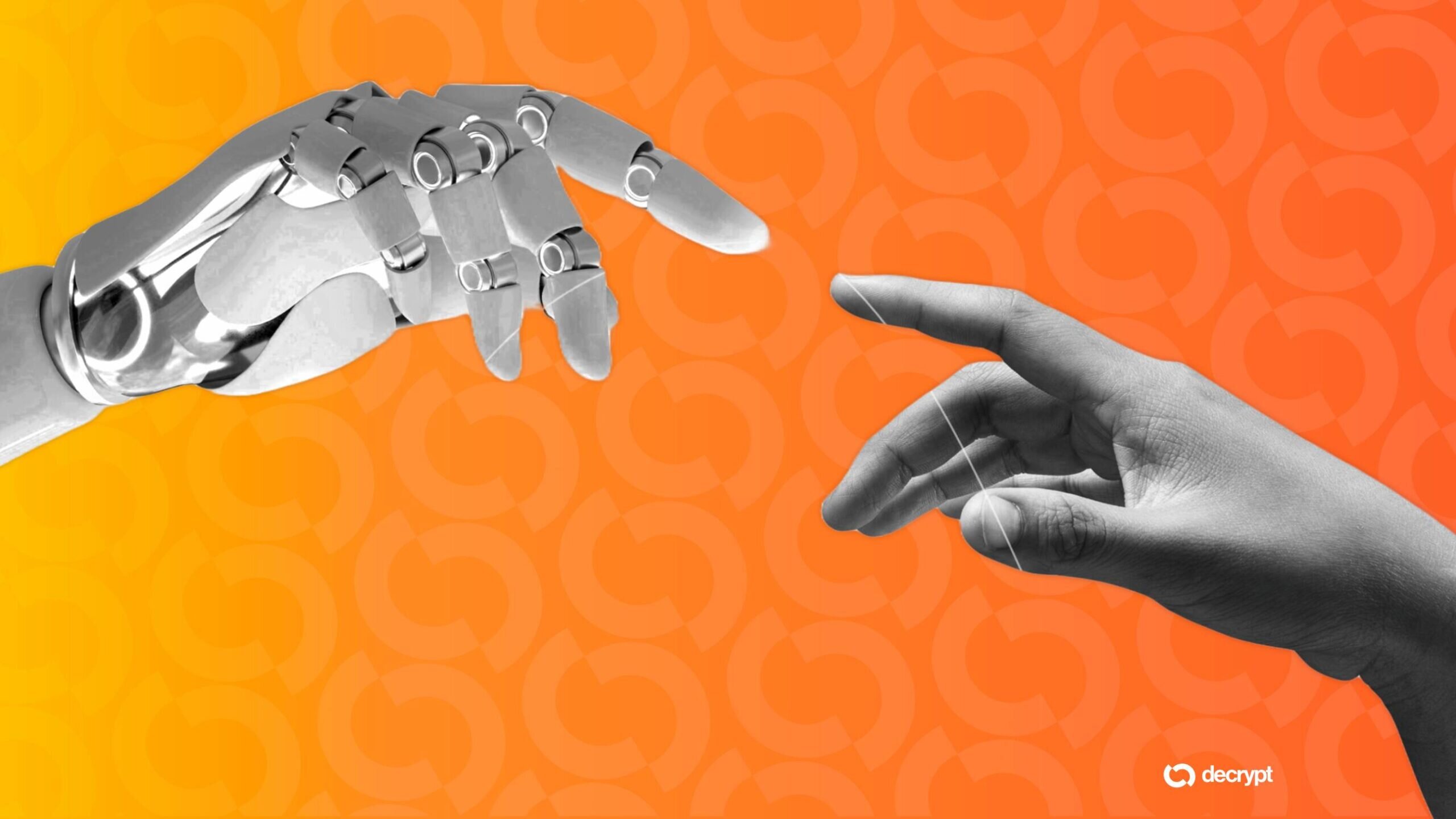
The emergence of users forming emotional relationships with AI chatbots is creating new technical and ethical challenges for companies building conversational AI systems, potentially reshaping how the industry approaches product development and specialized hiring.
New Demands on AI Product Development
As AI chatbots become increasingly sophisticated in mimicking human conversation, a subset of users has begun forming intimate emotional attachments to these systems. This trend, sometimes referred to as "digisexuality," presents companies with complex product design decisions that require specialized expertise.
Organizations developing conversational AI now face questions about appropriate boundaries, user safety protocols, and ethical guidelines that didn't exist in traditional software development. These concerns extend beyond content moderation to encompass psychological impact assessment and long-term user wellbeing considerations.
Companies like Character.AI, Replika, and other platforms offering AI companionship services are navigating uncharted territory in terms of responsible AI deployment. This creates demand for professionals who understand both the technical architecture of large language models and the human behavioral implications of AI interaction.
Implications for Web3 and Blockchain Talent
The convergence of AI companionship tools with blockchain technology raises additional considerations for the crypto industry. Decentralized AI platforms and tokenized AI services may need to address similar ethical questions around user relationships with AI systems.
Web3 professionals with backgrounds in AI ethics, behavioral psychology, and content policy are becoming increasingly valuable as projects explore decentralized alternatives to centralized AI platforms. The intersection of privacy-preserving blockchain infrastructure and personal AI interactions presents unique technical challenges.
Organizations building in this space require specialized talent including AI safety researchers, ethicists with technical backgrounds, and product managers experienced in sensitive user experiences. Legal and compliance professionals who understand both AI regulation and blockchain technology are also in growing demand.
For blockchain professionals, this trend highlights the expanding scope of web3 applications beyond financial services. Projects exploring decentralized AI, personal data sovereignty, and privacy-first AI companions represent emerging career opportunities that combine multiple technical disciplines.


