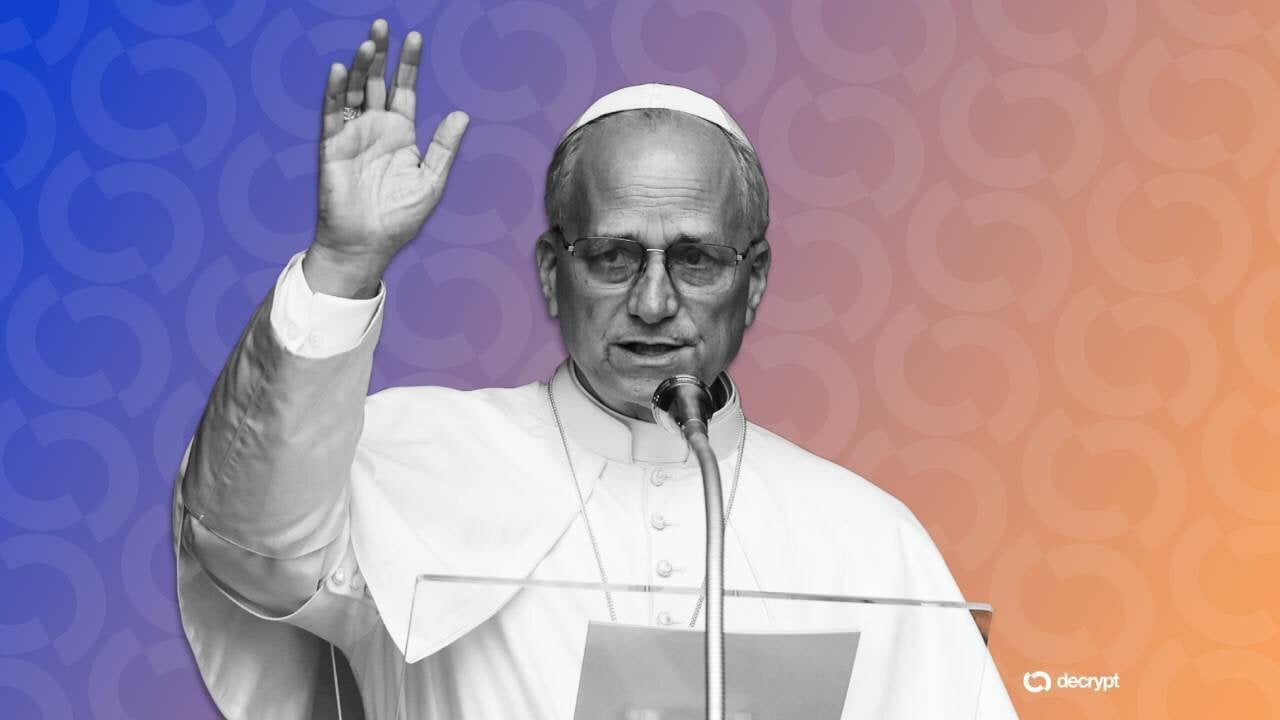
A browser extension developed by AI detection startup Pangram Labs has identified multiple posts from Pope Francis's official X account as potentially AI-generated, creating an ironic twist given the Vatican leader's recent warnings about artificial intelligence risks.
Detection Technology Raises Questions
The Pangram Labs browser extension, designed to identify AI-generated content across social media platforms, flagged several posts from the Pope's verified X account as likely written by machine learning models. This detection occurred as Pope Francis has increasingly voiced concerns about AI's societal impacts, including its potential effects on employment and human dignity.
The incident highlights ongoing challenges in content authenticity verification, a growing concern for professionals working in digital communications, content moderation, and social media management roles within the blockchain and tech industries. As organizations adopt AI tools for content creation, the need for transparent attribution and detection capabilities becomes more critical.
Pangram Labs specializes in developing tools that help users identify synthetic content, positioning itself within the broader AI safety and verification sector. The company's technology analyzes linguistic patterns, syntax, and other markers that may indicate machine-generated text.
Implications for Web3 and Digital Communications
The situation underscores several workforce trends relevant to crypto and blockchain professionals:
Content verification specialists will likely see increased demand as organizations seek to maintain authenticity in their public communications. This need extends across Web3 companies, DAOs, and blockchain projects that rely heavily on social media engagement.
AI ethics and governance roles continue expanding within tech companies, including those in the crypto sector. Professionals with expertise in AI policy, content authenticity, and ethical technology deployment may find growing opportunities as these issues gain prominence.
The Vatican has not publicly confirmed whether AI tools assist with the Pope's social media content creation, reflecting a common challenge organizations face regarding AI disclosure policies.
For Web3 professionals working in communications, marketing, and community management, this incident serves as a reminder of the importance of transparent AI use policies and the evolving landscape of content authenticity verification in digital spaces.


