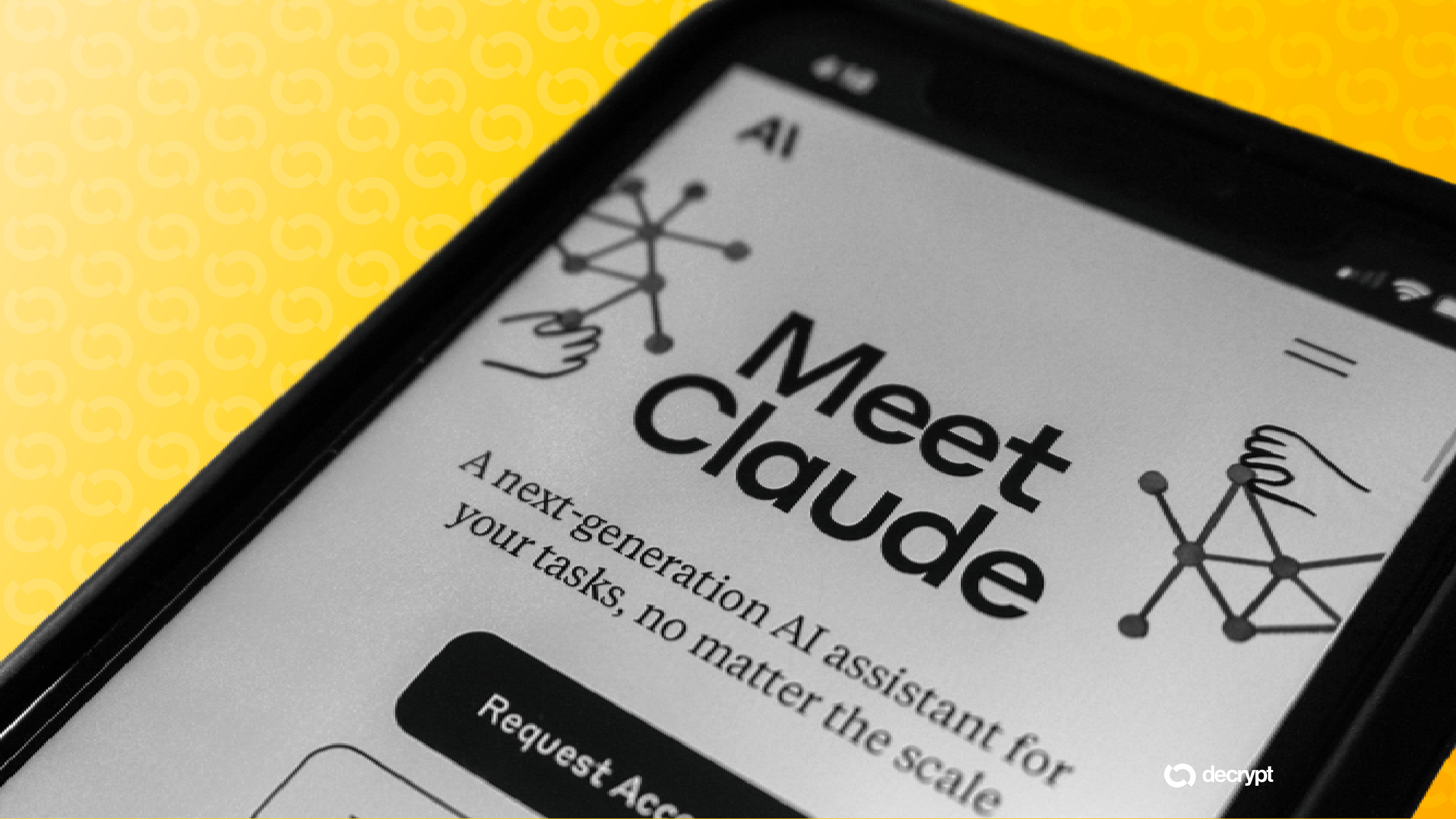
Anthropic has accused Chinese AI companies of replicating its Claude language model, a claim that has sparked debate within the tech industry about AI training practices and intellectual property protection. The allegations have drawn both support and criticism from developers and researchers examining how AI models are built and refined.
Industry Reaction and Training Debate
The San Francisco-based AI company's assertions have faced considerable pushback from technical experts and industry observers. Critics point out that modern AI development relies heavily on publicly available datasets and similar training methodologies, making it difficult to prove direct copying versus parallel development using comparable resources.
Several researchers have questioned whether Anthropic can substantiate claims of intellectual property theft, given that large language models often exhibit similar behaviors when trained on overlapping data sources. The controversy highlights ongoing tensions around AI model transparency and the challenge of protecting proprietary training techniques in an industry where knowledge sharing has historically been common.
Implications for AI Development Teams
This dispute underscores growing concerns about AI model security and competitive dynamics in the global artificial intelligence sector. For professionals working in AI development, machine learning engineering, and data science, the situation raises important questions about intellectual property frameworks in the field.
Companies building AI products may need to invest more heavily in security infrastructure and legal expertise to protect their models. This could create new opportunities for specialists in AI security, compliance roles, and legal positions focused on emerging technology.
The controversy also reflects broader geopolitical tensions affecting the tech industry. Organizations may increasingly implement stricter access controls and monitoring systems for their AI infrastructure, potentially expanding demand for security engineers and compliance professionals with AI expertise.
For blockchain and crypto professionals, many of whom work at the intersection of AI and decentralized technologies, these developments signal potential shifts in how proprietary algorithms and training data are protected. Web3 companies developing AI-integrated products should monitor how this situation evolves, as it may influence future approaches to open-source development and competitive strategy in the AI sector.


