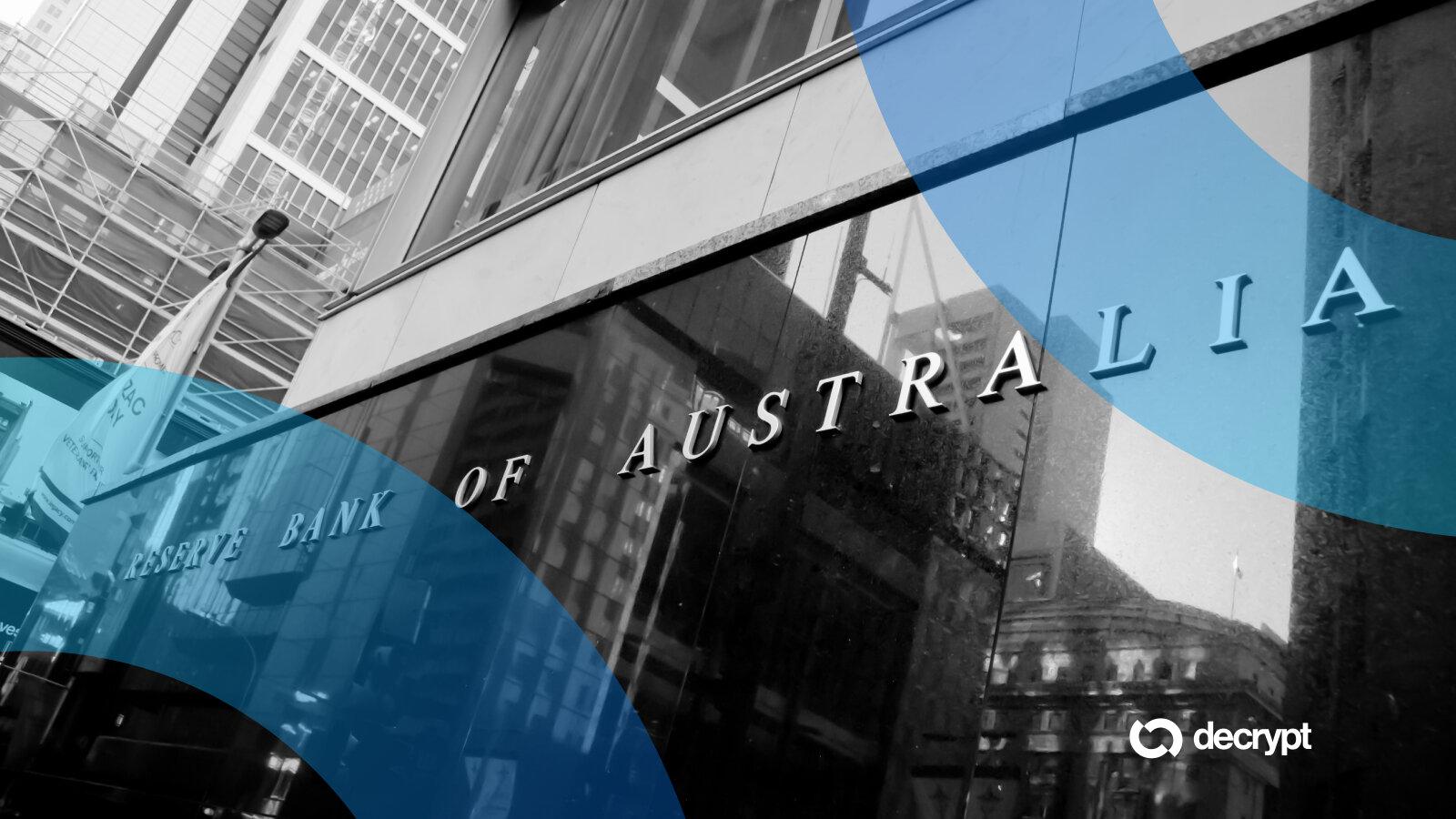
Australia's financial regulators are moving forward with frameworks to support tokenized asset markets, transitioning from experimental pilots to operational infrastructure. The development follows the Reserve Bank of Australia's (RBA) successful testing phase and signals growing institutional adoption of blockchain-based financial instruments.
From Pilot to Policy
The RBA recently concluded its Project Acacia, which explored the potential of a wholesale central bank digital currency (CBDC) for settling tokenized assets. The central bank is now working with the Australian Treasury and other regulatory bodies to establish the legal and market structures necessary for tokenized asset trading and settlement.
This progression represents a significant shift from theoretical exploration to practical implementation. The initiative aims to create regulatory clarity around digital asset ownership, trading rights, and settlement processes—areas that have historically created uncertainty for financial institutions and fintech companies operating in the blockchain space.
Implications for Financial Services Professionals
The development of tokenized asset infrastructure in Australia creates new opportunities for blockchain developers, compliance specialists, and financial engineers. Organizations will need professionals who understand both traditional financial markets and distributed ledger technology to build and operate systems that meet regulatory requirements.
Key areas requiring specialized talent include:
- Smart contract development for compliant tokenized securities
- Digital asset custody solutions
- Regulatory compliance and reporting systems
- Integration of blockchain infrastructure with existing financial systems
- Risk management for tokenized asset portfolios
Financial institutions and fintech companies are likely to increase hiring for roles that bridge traditional finance and blockchain technology. This includes positions in legal and compliance departments that must interpret and implement new regulatory frameworks for tokenized assets.
Market Infrastructure Development
Australia's approach emphasizes coordination between regulators, central banks, and market participants. This collaborative framework aims to ensure that tokenized asset markets operate with the same level of oversight and protection as traditional financial markets while leveraging blockchain's efficiency advantages.
For web3 professionals, this regulatory progress reduces implementation uncertainty and may accelerate enterprise adoption of tokenization technology. Companies building in this space should monitor regulatory developments closely as frameworks evolve from draft proposals to enforceable standards.



