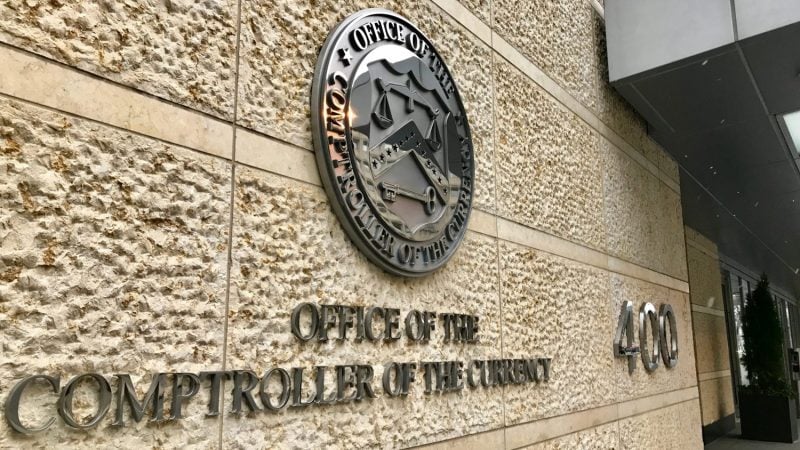
The Bank Policy Institute, a lobbying organization representing major U.S. financial institutions, is considering legal action against the Office of the Comptroller of the Currency (OCC) over its national trust charter program for crypto and fintech companies. The move signals continued tension between traditional banking interests and the federal government's efforts to integrate digital asset firms into the regulated financial system.
Legal Challenge Targets Charter Access
The potential lawsuit centers on the OCC's authority to grant national trust charters to crypto and fintech companies, which would allow these firms to operate across state lines under federal supervision. This charter framework provides digital asset companies with a pathway to federal banking regulation, offering legitimacy and operational efficiency that many blockchain businesses have sought.
The Bank Policy Institute's consideration of legal action suggests that established financial institutions view expanded charter access as a competitive threat. Traditional banks have argued that crypto companies should face the same regulatory requirements and oversight standards that apply to conventional financial institutions.
Implications for Crypto Industry Infrastructure
The outcome of any legal challenge could significantly impact how crypto companies structure their operations and approach regulatory compliance. Federal charters have become increasingly attractive to digital asset firms seeking clarity in the U.S. regulatory landscape, particularly as state-level requirements vary widely.
For professionals in the blockchain and digital asset sectors, this development underscores the ongoing regulatory uncertainty that continues to shape the industry. Companies may need to maintain flexible regulatory strategies and build teams with expertise in both traditional finance and emerging digital asset frameworks.
What This Means for Web3 Professionals
The banking lobby's potential legal action highlights the continuing integration challenges between traditional finance and digital assets. Professionals with cross-domain expertise in banking regulation, compliance, and blockchain technology will remain highly valuable as companies navigate this evolving landscape.
Whether working in crypto-native firms or traditional financial institutions expanding into digital assets, understanding federal charter frameworks and their implications will be increasingly important for compliance officers, legal counsel, and regulatory affairs specialists in the coming months.


