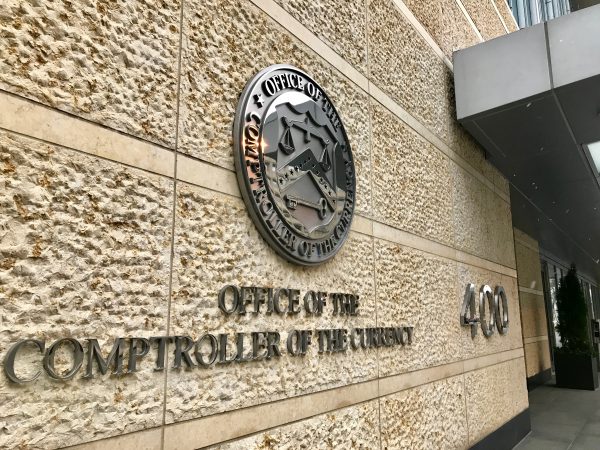
The American Bankers Association has called on the Office of the Comptroller of the Currency to establish clearer regulatory frameworks for crypto firms operating without federal deposit insurance before approving additional banking charters. The move reflects growing concerns about financial stability as digital asset companies seek traditional banking privileges.
Regulatory Concerns Over Uninsured Crypto Banks
The ABA's recommendation to the OCC centers on ensuring adequate resolution mechanisms exist for crypto-focused banks that operate without FDIC insurance. The banking lobby wants regulators to demonstrate that current tools can effectively manage potential failures of these institutions before expanding charter approvals to additional crypto firms.
This intervention comes as several crypto companies pursue federal banking charters to access traditional financial infrastructure while maintaining their digital asset operations. However, many of these entities may not qualify for or seek deposit insurance, creating regulatory gaps that traditional banking groups argue need addressing.
The concern extends beyond consumer protection to systemic stability. Without established resolution frameworks, the failure of a chartered but uninsured crypto bank could create uncertainty in both traditional and digital asset markets, potentially affecting connected financial institutions and their employees.
Implications for Crypto Industry Growth
The ABA's position could slow the pace of crypto firms obtaining federal banking charters, which would impact hiring plans and expansion strategies across the sector. Companies pursuing these charters often plan significant workforce growth to support expanded operations and compliance requirements.
For crypto professionals, this regulatory hesitation signals that roles in crypto-banking hybrid institutions may face longer timelines to materialize. Firms seeking charters will likely need to invest more heavily in legal and compliance teams to address regulatory concerns, creating opportunities in those specialized areas.
The outcome of this debate will shape how crypto companies integrate with traditional finance and whether they can offer banking services directly. For the crypto workforce, clearer regulatory pathways could eventually accelerate job creation in licensed entities, while continued uncertainty may push talent toward established banks expanding their digital asset services or fully decentralized platforms that don't require banking charters.
Professionals navigating career decisions in this space should monitor OCC responses and charter approval patterns, as these will signal which business models regulators favor and where stable employment opportunities are likely to emerge.


