Cryptocurrency markets experienced downward pressure as Bitcoin and Ethereum declined amid conflicting signals about Middle East tensions. The pullback reflects broader investor uncertainty affecting both digital assets and traditional equities markets.
Market Response to Geopolitical Developments
Bitcoin and Ethereum both retreated as investors processed mixed messages regarding potential de-escalation of conflict between the United States and Iran. The crypto market's correlation with traditional risk assets remained evident, with digital currencies moving in tandem with stock indices during the uncertainty.
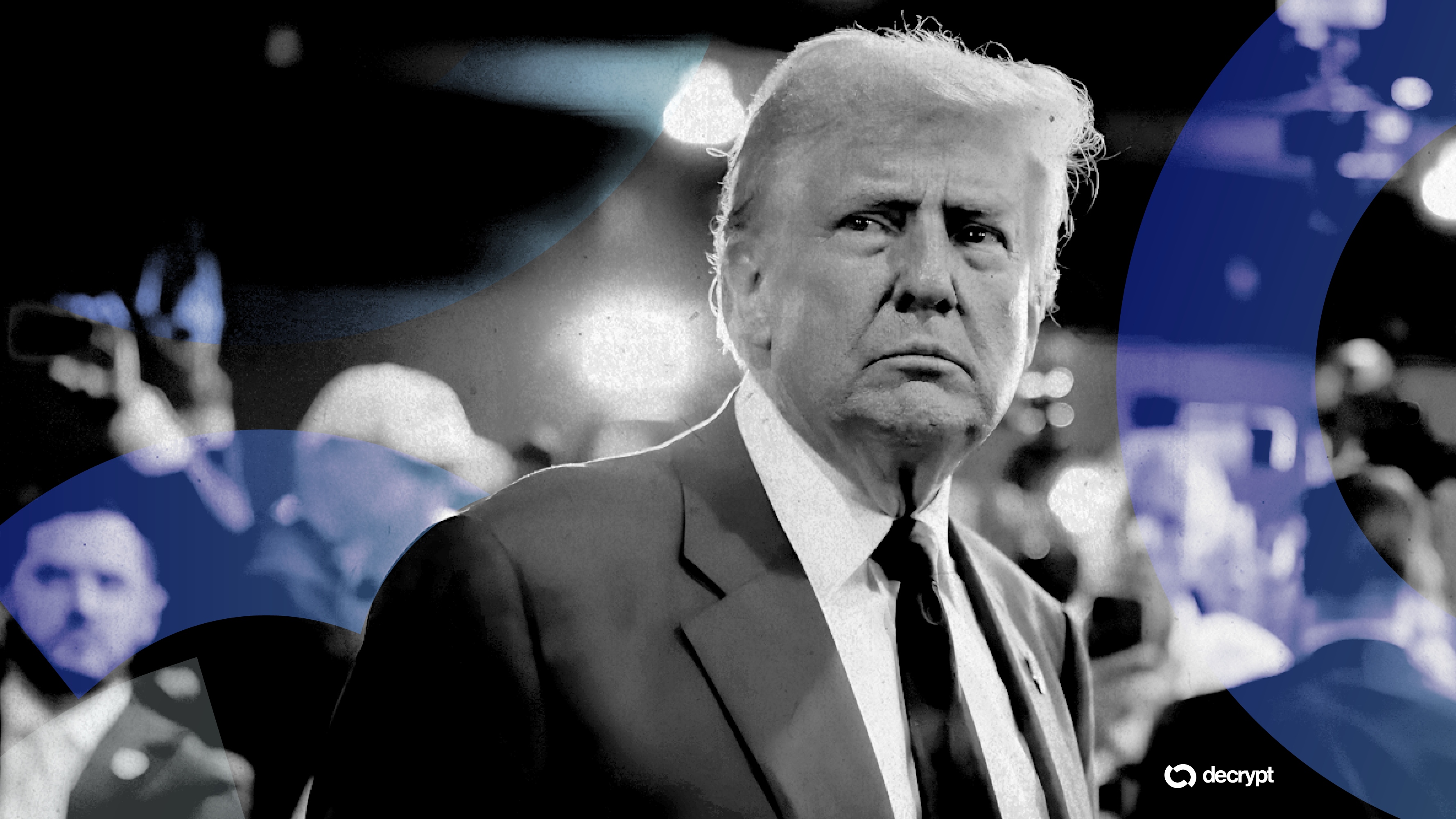
Former President Trump's comments about not being "desperate" to resolve tensions with Iran added to market volatility, contrasting with earlier indications that diplomatic channels might produce a resolution. This whipsaw in messaging created the type of uncertainty that typically prompts risk-off sentiment across both equity and crypto markets.
The price action underscores how macroeconomic and geopolitical factors continue to influence cryptocurrency valuations, despite the industry's maturation. Professional traders and investors in the digital asset space must increasingly monitor traditional market signals and global political developments.
Implications for Blockchain Professionals
For professionals in the cryptocurrency and blockchain sectors, these market dynamics highlight several important considerations. Companies operating in the crypto space face the same macroeconomic headwinds as traditional finance firms, which can impact hiring plans, budgets, and expansion strategies.
Market volatility driven by external factors may affect operational decisions at blockchain companies, from startups to established exchanges and infrastructure providers. Organizations may adjust their workforce planning and hiring timelines in response to sustained market uncertainty.
However, the industry's continued institutional adoption and infrastructure development suggest that temporary market fluctuations are unlikely to derail longer-term growth trajectories. Projects focused on building fundamental blockchain technology, compliance solutions, and enterprise applications typically maintain steadier hiring patterns than those dependent on speculative trading volumes.
Web3 professionals should recognize that market cycles influenced by geopolitical events present both challenges and opportunities. Organizations with strong fundamentals and sustainable business models continue recruiting talent even during periods of price volatility, while professionals with experience navigating uncertain market conditions remain particularly valuable to employers.



