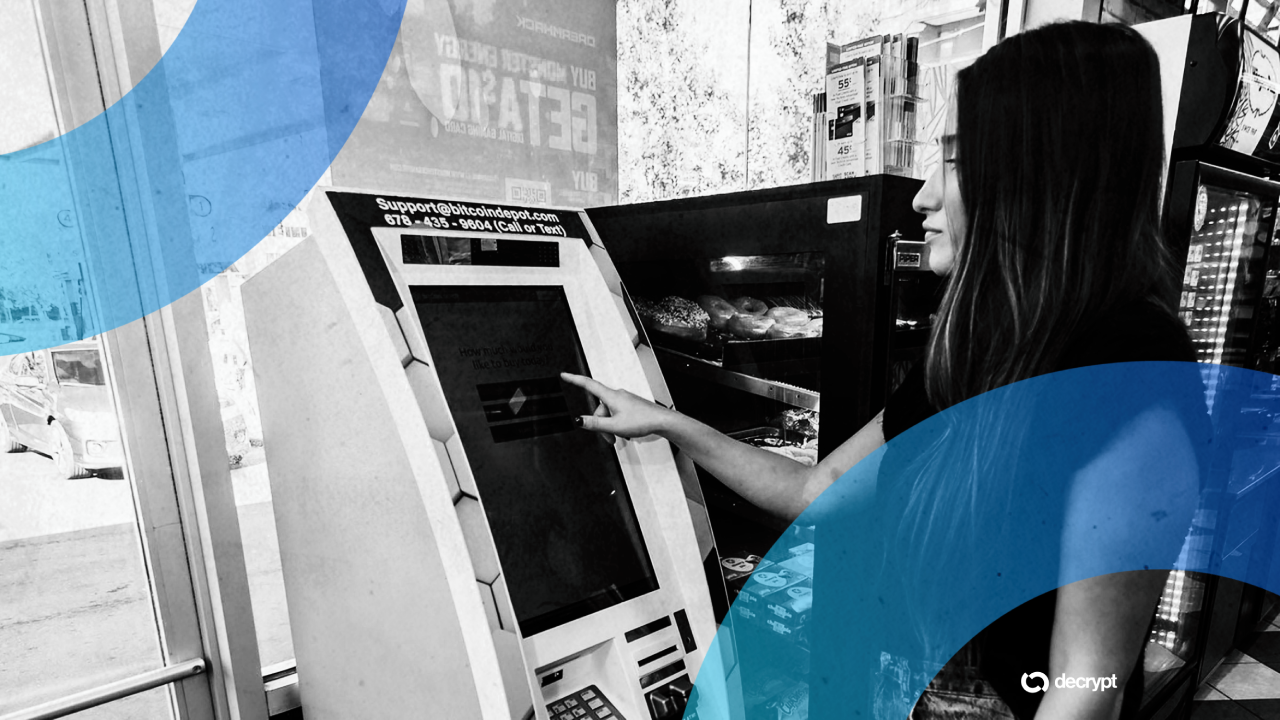
Bitcoin Depot, one of North America's largest crypto ATM operators, will require identity verification for every transaction at its machines, marking a significant shift in compliance procedures for the bitcoin kiosk industry. The company announced this voluntary enhancement to its know-your-customer (KYC) protocols amid increasing regulatory scrutiny of crypto ATM operations.
New Compliance Framework Takes Effect
The enhanced verification requirements represent a departure from previous practices where smaller transactions often faced minimal identification checks. Bitcoin Depot's decision to implement transaction-by-transaction verification applies across its entire network, regardless of purchase amount. This move comes as regulatory agencies, including the Financial Crimes Enforcement Network (FinCEN), have intensified their focus on crypto ATMs as potential vectors for money laundering and fraud.
The company operates thousands of bitcoin ATMs across the United States and Canada, making it a significant player in providing physical access points to cryptocurrency for retail users. By voluntarily adopting stricter verification standards, Bitcoin Depot appears to be positioning itself ahead of potential regulatory mandates that many industry observers expect will formalize these requirements.
Implications for Crypto Access and Operations
This policy change reflects broader trends affecting the crypto ATM sector and may signal coming changes for competitors. Several crypto ATM operators have faced regulatory actions in recent years, with some paying substantial fines for compliance failures. The heightened verification requirements could impact transaction times and user experience at Bitcoin Depot locations, potentially affecting customer volume.
For professionals in the compliance and regulatory space, these developments underscore growing demand for expertise in anti-money laundering (AML) and KYC implementation. Companies operating crypto ATMs and other physical cryptocurrency infrastructure will likely need additional compliance personnel and legal advisors to navigate the evolving regulatory landscape.
The shift also highlights the maturation of crypto infrastructure services, where regulatory compliance increasingly takes precedence alongside user accessibility. Web3 professionals working in fintech, compliance, and operations should monitor how these changes affect the broader bitcoin ATM industry and whether competitors follow suit with similar verification enhancements.


