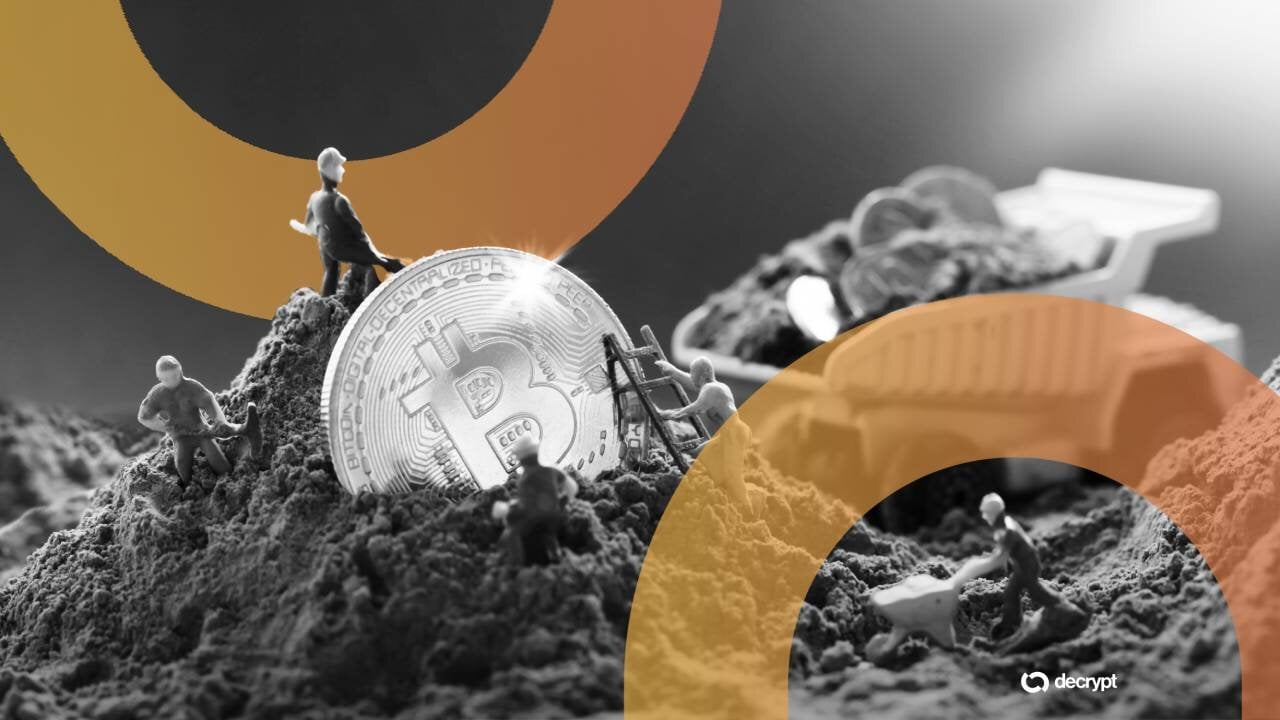
Bitcoin Empire, a mobile mining simulation game available on iOS and Android, has entered the play-to-earn space by distributing actual Bitcoin to players. The game allows users to accumulate small amounts of BTC through gameplay, raising questions about whether the time investment justifies the modest cryptocurrency payouts.
Game Mechanics and Earning Potential
Bitcoin Empire operates as a digital mining simulation where players build and manage virtual mining operations. The game distributes real Bitcoin to users rather than in-game tokens, distinguishing it from many blockchain games that rely on proprietary cryptocurrencies. Players earn BTC by completing tasks, managing their mining empire, and progressing through the game's mechanics.
However, early analyses suggest the earning rates remain minimal. The game requires significant time investment for relatively small Bitcoin amounts, positioning it more as a casual engagement tool than a viable income source. This model reflects broader trends in the play-to-earn sector, where games increasingly struggle to balance sustainable tokenomics with meaningful player rewards.
Implications for the Web3 Gaming Sector
The launch highlights ongoing experimentation in crypto gaming business models as developers seek sustainable alternatives to the speculative tokenomics that characterized earlier play-to-earn projects. For professionals in the blockchain gaming industry, Bitcoin Empire represents a different approach: using established cryptocurrencies rather than project-specific tokens to reduce volatility and regulatory concerns.
This development matters for web3 professionals tracking gaming sector evolution. The shift toward Bitcoin-based rewards could influence hiring needs, as studios may require developers experienced with Bitcoin Lightning Network integration and micropayment systems rather than custom token deployment.
The game's reception will likely inform future strategies across the blockchain gaming sector, particularly for studios developing user acquisition and retention models. Professionals specializing in game economy design, blockchain integration, and sustainable tokenomics may find increasing demand as companies refine their approaches beyond initial play-to-earn hype.
For web3 job seekers, understanding these evolving gaming models provides valuable context for roles in blockchain game development, where sustainable economic design has become crucial following the decline of unsustainable play-to-earn schemes.


