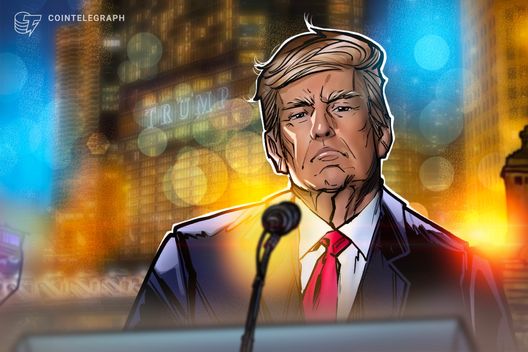
US President Donald Trump's recent address on military operations in Iran triggered immediate market reactions across traditional and digital assets, with Bitcoin experiencing price volatility alongside movements in oil markets. The speech, in which Trump stated the military is "very close" to concluding operations in Iran, underscores how geopolitical events continue to influence cryptocurrency markets and the broader web3 ecosystem.
Market Response and Trading Implications
Bitcoin prices dipped following Trump's remarks while oil prices moved in the opposite direction, demonstrating the persistent correlation between global political developments and crypto market behavior. This volatility highlights the ongoing maturation of digital assets as they increasingly respond to macroeconomic and geopolitical factors similar to traditional markets.
For professionals working in crypto trading, market analysis, and risk management roles, these events reinforce the necessity of monitoring geopolitical developments alongside technical indicators. The immediate price response suggests institutional participation continues to grow, as professional traders react swiftly to traditional market catalysts.
Workforce Considerations
The incident serves as a reminder for blockchain professionals that the crypto industry operates within a broader global context. Companies building in the web3 space must account for traditional market forces when planning operations, managing treasury holdings, and developing trading infrastructure.
For those pursuing careers in cryptocurrency markets, this event demonstrates the multidisciplinary skills required in modern crypto roles. Professionals need expertise not only in blockchain technology and tokenomics but also in macroeconomic analysis, geopolitical risk assessment, and traditional financial markets.
Risk management teams at crypto exchanges, trading firms, and institutional platforms likely experienced heightened activity during and after the address, emphasizing the continued demand for professionals who can navigate volatility and implement robust trading infrastructure. As the industry matures, employers increasingly seek candidates who understand both blockchain technology and traditional market dynamics that influence digital asset prices.



