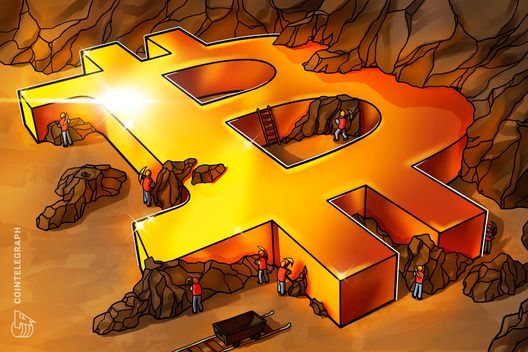
Bitcoin's network mining difficulty has decreased by more than 11% in its latest adjustment, marking the most significant single-period drop since China's 2021 cryptocurrency mining ban triggered a 27% decline. The adjustment reflects shifting dynamics in the Bitcoin mining sector that could signal changes ahead for mining professionals and related blockchain infrastructure roles.
Understanding the Mining Difficulty Adjustment
Mining difficulty automatically adjusts every 2,016 blocks (approximately two weeks) to maintain Bitcoin's target block time of 10 minutes. This recent 11% decrease indicates that aggregate computational power on the network has dropped substantially, likely due to miners taking equipment offline or relocating operations.
The magnitude of this adjustment stands out as unusual in Bitcoin's recent history. Since the China mining exodus in 2021—which saw thousands of mining operations forced to shut down or relocate—the network has experienced relatively stable difficulty adjustments. This sudden decline suggests potential disruptions in the mining ecosystem.
Implications for Mining Operations and Workforce
Several factors may contribute to the difficulty drop:
- Energy cost pressures forcing unprofitable mining operations to suspend activities
- Hardware obsolescence as older mining equipment becomes economically unviable
- Strategic repositioning by large mining firms optimizing their operations
- Seasonal factors affecting energy availability and costs in key mining regions
For professionals in the mining sector, this adjustment period highlights the volatility inherent in proof-of-work blockchain operations. Mining firms facing reduced profitability may implement workforce adjustments, while others may seize the opportunity to expand operations as competition temporarily decreases.
Outlook for Blockchain Infrastructure Careers
The difficulty reduction creates a complex picture for Bitcoin mining employment. While some operations may scale back, the adjustment makes mining temporarily more profitable for remaining participants, potentially enabling reinvestment in infrastructure and staff. Mining professionals with expertise in operational efficiency, energy management, and hardware optimization remain valuable as companies navigate these market conditions.
Blockchain professionals should monitor whether this represents a temporary correction or signals broader structural changes in Bitcoin mining's geographic and economic landscape.