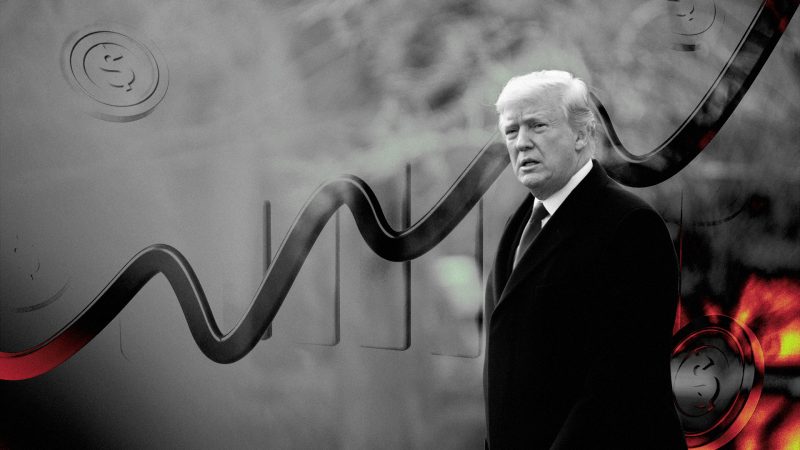
Bitcoin climbed back above $70,000 following comments from former President Trump regarding diplomatic progress with Iran, providing relief to crypto markets that had been tracking geopolitical developments closely. The recovery signals renewed stability in digital asset markets after recent volatility tied to Middle East tensions and broader macroeconomic uncertainty.
Market Response to Geopolitical Developments
The cryptocurrency market demonstrated its continued sensitivity to global political events as Bitcoin regained the $70,000 threshold. Trump's characterization of Iran negotiations as "productive" helped ease immediate concerns about potential military escalation, prompting risk-on sentiment across digital asset markets.
This rebound underscores an important dynamic for blockchain professionals and crypto-focused companies: market volatility driven by geopolitical factors directly impacts business operations, hiring decisions, and project timelines across the industry. Companies working on trading infrastructure, risk management tools, and institutional custody solutions often see heightened demand during periods of macro uncertainty.
Implications for Crypto Industry Operations
The recent price swings highlight several considerations for web3 professionals and employers:
- Trading and infrastructure teams at exchanges and market makers face increased operational demands during volatile periods, often requiring additional staffing or extended working hours
- Risk management roles become more critical as institutions navigate heightened market uncertainty and potential client concerns
- Development priorities at DeFi protocols may shift toward improving liquidation mechanisms and stability features during turbulent market conditions
Organizations building in the crypto space should anticipate that macroeconomic factors and rate expectations will continue influencing market dynamics, affecting everything from fundraising conditions to user acquisition costs.
Workforce Considerations
For blockchain professionals, periods of market volatility present both challenges and opportunities. While price fluctuations can impact company valuations and hiring budgets, they also demonstrate the growing maturity of crypto markets and their integration with traditional financial systems.
The crypto industry's responsiveness to geopolitical and macro developments reflects its evolution into a significant asset class, requiring increasingly sophisticated risk management, compliance, and analytical capabilities—all areas where skilled professionals remain in high demand regardless of short-term price action.



