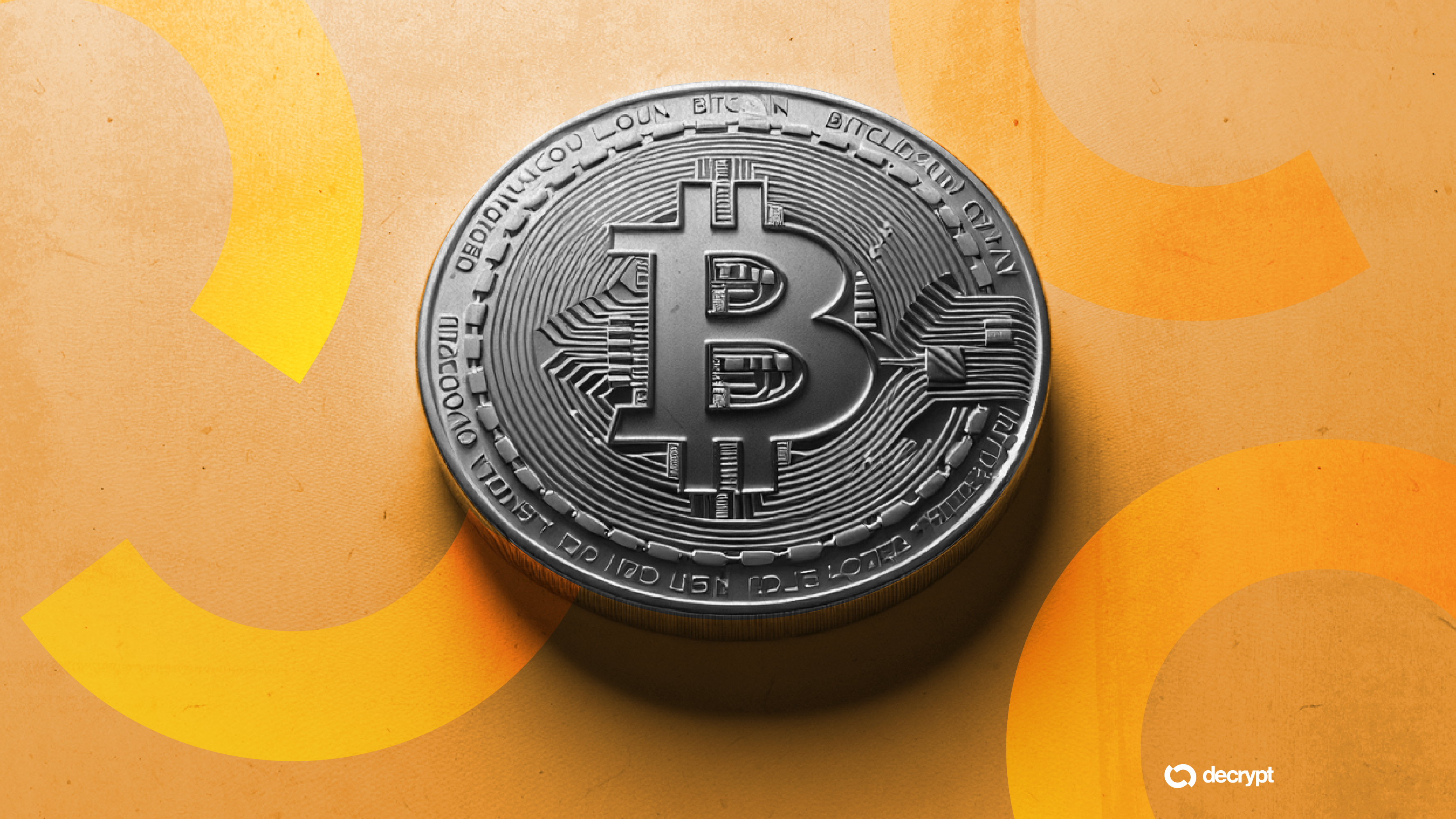
Bitcoin's decline to $64,000 represents a roughly 50% correction from its October all-time high, but industry analysts characterize the movement as a response to macro-economic pressures rather than a fundamental market failure. The drop reflects broader deleveraging across overleveraged positions in the digital asset market.
Market Dynamics Behind the Correction
The cryptocurrency market experienced significant liquidation events as Bitcoin retreated from its peak pricing. Analysts attribute the correction primarily to excessive leverage accumulated during the bull run, combined with shifting macroeconomic conditions affecting risk assets globally.
Traditional financial markets have faced similar pressure from monetary policy adjustments and economic uncertainty, creating headwinds for speculative assets including cryptocurrencies. The correlation between Bitcoin and traditional risk assets has intensified during this period, suggesting institutional participation continues to influence price action.
Implications for Crypto Industry Professionals
Despite the sharp price correction, market fundamentals remain intact according to industry experts. Network activity, development metrics, and institutional adoption continue on established trajectories. This distinction matters for professionals evaluating career opportunities in the blockchain sector.
Companies building infrastructure, decentralized applications, and financial services on blockchain networks maintain their development roadmaps regardless of short-term price volatility. Hiring activity in technical roles—including blockchain developers, smart contract engineers, and security specialists—shows resilience as projects focus on long-term product delivery rather than speculative market timing.
For professionals considering transitions into web3 roles or evaluating current positions, the correction serves as a reminder to assess employers based on sustainable business models, product-market fit, and funding runway rather than token prices alone. Organizations with diversified revenue streams and realistic growth expectations tend to weather market volatility more effectively than those dependent solely on speculative token economics.
The current environment may actually create opportunities as stronger projects continue hiring while weaker competitors face resource constraints. Professionals with technical skills, particularly in areas like DeFi protocols, infrastructure scaling, and regulatory compliance, remain in demand as the industry matures beyond purely speculative phases.



