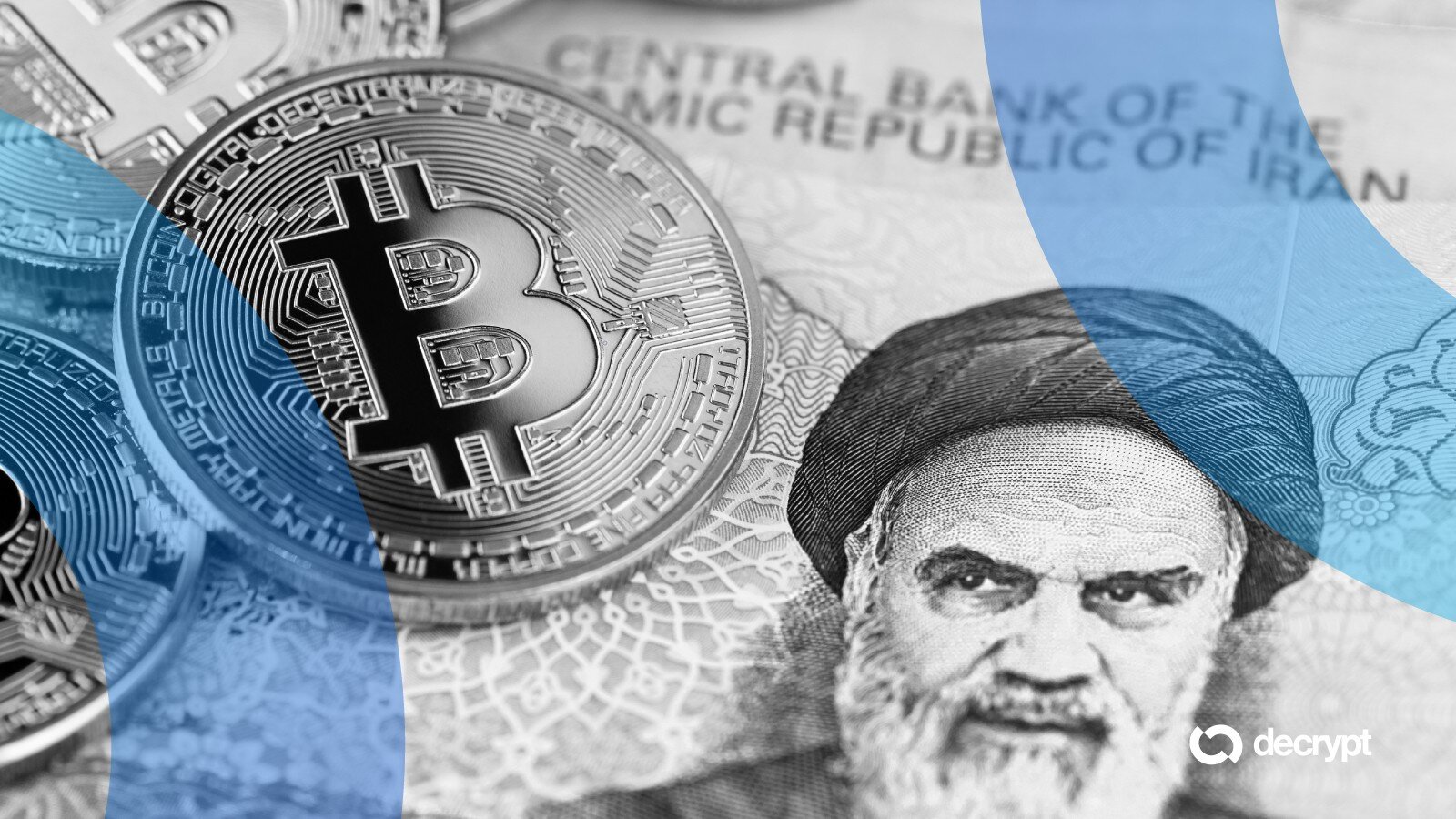
Bitcoin has demonstrated stronger resilience compared to traditional equity markets during the recent macro-driven selloff, maintaining relative price stability as institutional participation and reduced leverage levels provide support for the digital asset.
Market Dynamics Show Maturation
While Bitcoin has experienced downward price pressure alongside broader risk assets, the cryptocurrency has outperformed traditional stocks during the current volatility period driven by oil market disruptions. This divergence from typical correlation patterns suggests a maturing asset class that's developing its own market dynamics independent of traditional risk-on/risk-off behavior.
The relative stability stems from two key factors: earlier deleveraging in crypto markets and sustained institutional involvement. Unlike previous market corrections where excessive leverage amplified price swings, the current cycle has seen more measured movements as speculative positions were unwound in advance of the broader market stress.
Institutional Presence Creates Support
Continued institutional participation has fundamentally altered Bitcoin's market structure, providing deeper liquidity and more stable price floors during periods of uncertainty. This contrasts with earlier market cycles where institutional exit during volatility created cascading liquidations and amplified downside moves.
For crypto professionals, this evolution reflects the industry's broader maturation. Companies building in the blockchain space now operate in a more stable financial environment, which supports longer-term strategic planning and workforce development.
Implications for Web3 Professionals
The shifting market dynamics create important context for blockchain professionals evaluating career opportunities. Organizations backed by institutional capital may demonstrate greater resilience during market volatility, potentially offering more stable employment prospects compared to highly leveraged or retail-focused operations.
Additionally, the growing sophistication of crypto markets reinforces demand for professionals with traditional finance expertise alongside blockchain knowledge. Risk management, institutional sales, and market structure roles continue to expand as the industry matures beyond its speculative origins.
For those considering positions in the crypto sector, the current environment demonstrates that the industry has developed structural support mechanisms that may provide greater career stability than during previous market cycles. Understanding these evolving dynamics remains essential for professionals navigating the web3 job market.