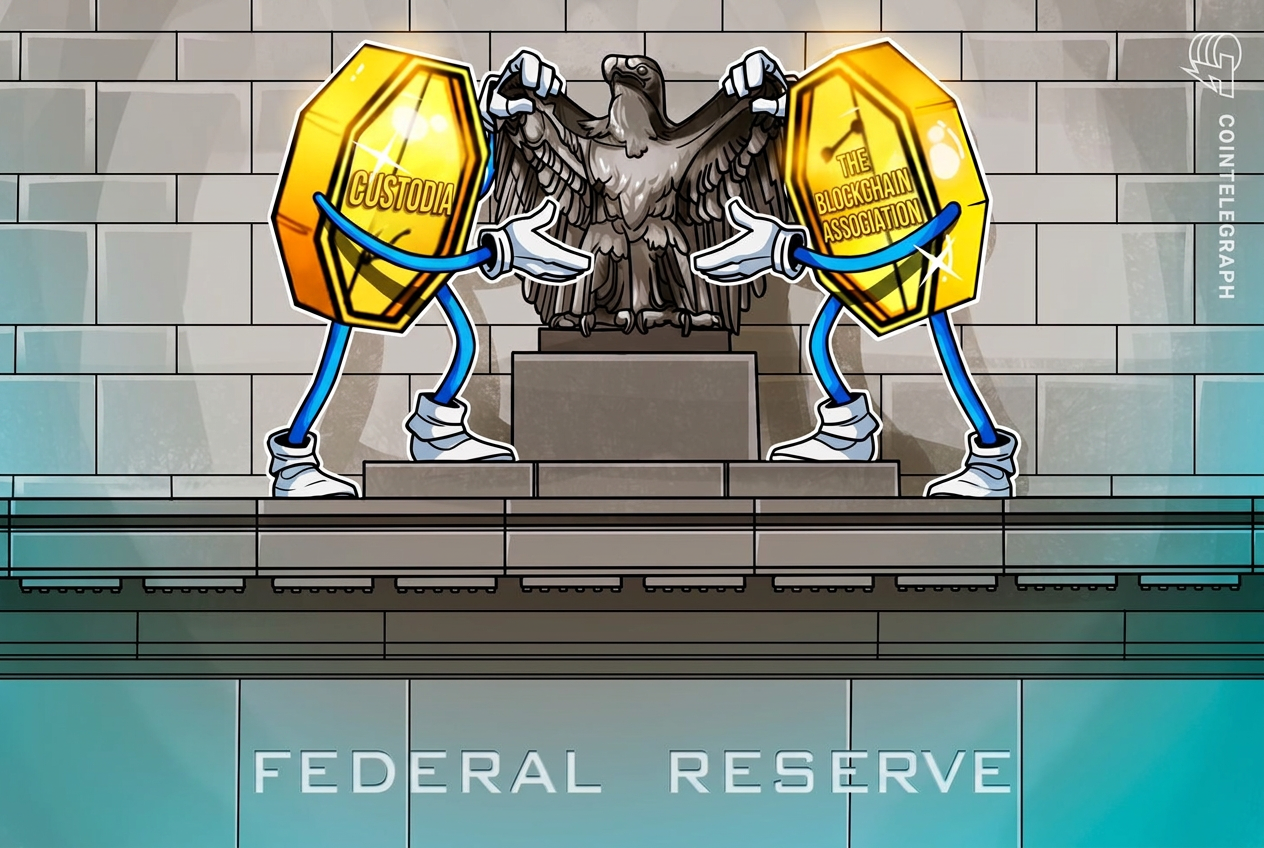
The Blockchain Association has filed an amicus brief supporting Custodia Bank's Supreme Court case against the Federal Reserve, challenging the central bank's authority to deny state-chartered banks access to its payment infrastructure. The case carries significant implications for how crypto-focused financial institutions can operate within the traditional banking system.
The Core Legal Battle
Custodia Bank, a Wyoming-chartered institution designed to bridge traditional finance and digital assets, has been fighting for access to a Federal Reserve master account since 2020. The Fed denied Custodia's application, prompting the legal challenge that questions whether the central bank has discretionary power to reject eligible state-chartered banks.
The Blockchain Association's brief argues that the Fed's broad interpretation of its authority exceeds statutory limits. According to the trade group, eligible state-chartered banks should receive direct access to the Federal Reserve's payment system without facing arbitrary denial. The case centers on whether federal regulators can effectively override state banking charters by withholding essential infrastructure access.
Workforce and Industry Implications
This legal battle extends beyond one institution's access to Fed services. The outcome will likely determine whether crypto-native banks can compete on equal footing with traditional financial institutions, directly impacting job creation and talent allocation in the digital asset sector.
If Custodia prevails, the ruling could encourage more state-chartered crypto banks to launch operations, potentially creating new employment opportunities for compliance professionals, banking specialists, and blockchain developers who understand both traditional finance and digital assets. Conversely, a Fed victory might push crypto companies toward different operational models or jurisdictions, reshaping where web3 finance jobs emerge.
The case also highlights the ongoing regulatory uncertainty that affects hiring decisions across the crypto banking sector. Companies operating in this space need professionals who can navigate complex regulatory frameworks while building innovative financial products.
For blockchain professionals considering careers in crypto banking or fintech, this case represents a pivotal moment in determining how closely integrated digital asset firms can become with legacy financial infrastructure. The Supreme Court's decision will shape the regulatory landscape that defines job opportunities and career paths in crypto-focused financial services for years to come.


