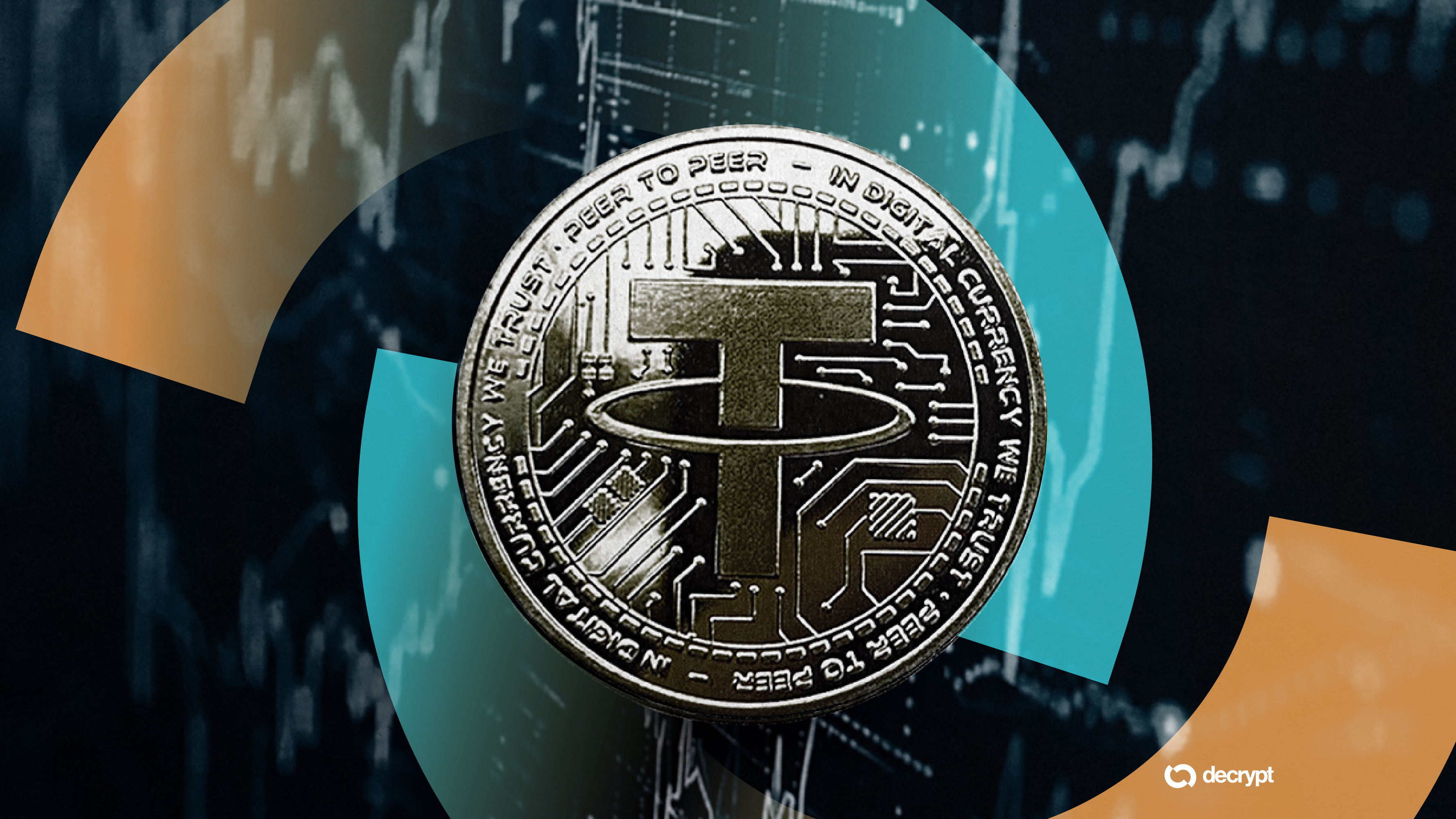
Bolivia is exploring the integration of Tether's USDT stablecoin into its national payment system, according to local reports. The South American nation's consideration of the dollar-backed stablecoin represents a potential shift in its previously restrictive stance toward cryptocurrencies and could signal broader blockchain adoption in the region's public sector.
Policy Reversal Creates New Opportunities
Bolivia has historically maintained one of the most restrictive crypto policies in Latin America, having banned cryptocurrencies in 2014. The country's central bank prohibited the use of Bitcoin and other digital assets for nearly a decade, making this latest development particularly significant for the regional blockchain ecosystem.
The potential incorporation of USDT into the national payment infrastructure marks a dramatic policy reversal that could create new opportunities for blockchain developers, compliance specialists, and financial technology professionals in the country. If implemented, this move would require substantial technical expertise to integrate stablecoin infrastructure with existing payment systems.
Implications for Regional Blockchain Workforce
This development follows a broader trend of Latin American governments exploring stablecoins and blockchain technology for financial infrastructure. Countries including El Salvador, Argentina, and Brazil have all pursued various crypto integration strategies, creating a growing demand for blockchain talent across the region.
For web3 professionals, Bolivia's potential adoption of USDT could indicate several workforce developments:
- Increased demand for blockchain engineers familiar with payment system integration
- New compliance and regulatory roles as frameworks are established
- Opportunities for fintech developers specializing in stablecoin applications
- Potential expansion of crypto-related government initiatives
The move could also encourage private sector blockchain adoption in Bolivia, as government endorsement of stablecoin technology typically reduces regulatory uncertainty for businesses exploring digital asset solutions.
As Latin American nations continue evaluating blockchain applications for public infrastructure, professionals with expertise in stablecoin integration, payment systems, and regulatory compliance may find expanding career opportunities throughout the region. The development reinforces the growing institutional acceptance of blockchain technology beyond speculative investment use cases.


