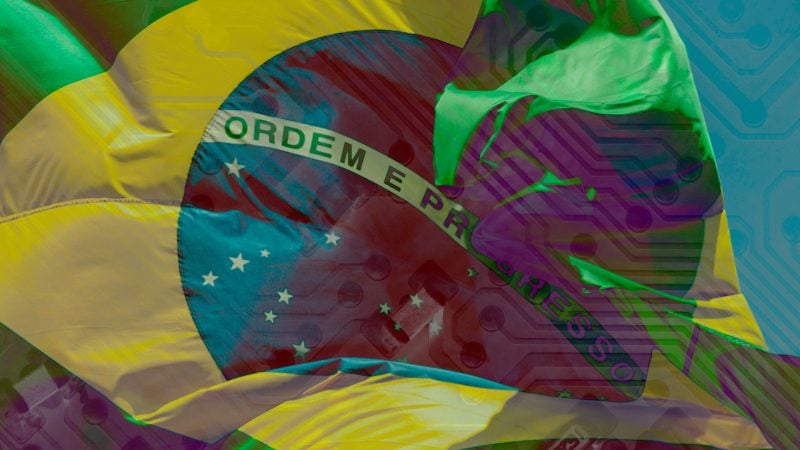
Brazil's Finance Minister Dario Durigan announced a comprehensive ban on 28 betting platforms, including prominent prediction markets Kalshi and Polymarket. The regulatory action reflects growing scrutiny of online gambling platforms and marks a significant development for blockchain-based prediction market operators serving international users.
Regulatory Crackdown Affects Web3 Prediction Markets
The ban targets both traditional betting platforms and decentralized prediction markets, signaling Brazil's cautious approach to platforms that blur the lines between speculation and gambling. Polymarket, which operates on blockchain technology and has gained significant traction for political and economic event predictions, now faces restricted access in one of Latin America's largest markets.
Kalshi, a CFTC-regulated prediction market based in the United States, also fell under the ban despite operating with regulatory oversight in its home jurisdiction. The sweeping nature of Brazil's action suggests authorities prioritized local investor protection concerns over recognizing foreign regulatory frameworks.
Finance Minister Durigan cited mounting concerns about online gambling's impact on Brazilian consumers as the primary rationale for the enforcement action. The government's approach indicates a preference for strict controls rather than developing a domestic regulatory framework for prediction markets.
Implications for Blockchain Companies and Professionals
This regulatory development carries several implications for crypto and web3 professionals working in the prediction market sector. Companies operating blockchain-based forecasting platforms may need to reassess their geographic expansion strategies and compliance approaches when entering Latin American markets.
The ban highlights the ongoing challenge web3 companies face in navigating inconsistent global regulatory standards. Professionals specializing in compliance, legal affairs, and government relations within the crypto sector will likely see increased demand as prediction market platforms seek to maintain operations across multiple jurisdictions.
For blockchain developers and product teams building prediction market infrastructure, Brazil's action underscores the importance of designing platforms with geographic restrictions and compliance tools built into their core architecture. Companies may need to expand their policy and legal teams to address jurisdictional challenges as prediction markets continue attracting regulatory attention worldwide.
The situation also demonstrates that even decentralized platforms cannot operate independently of regulatory oversight, particularly when serving users in jurisdictions with strict gambling and consumer protection laws.



