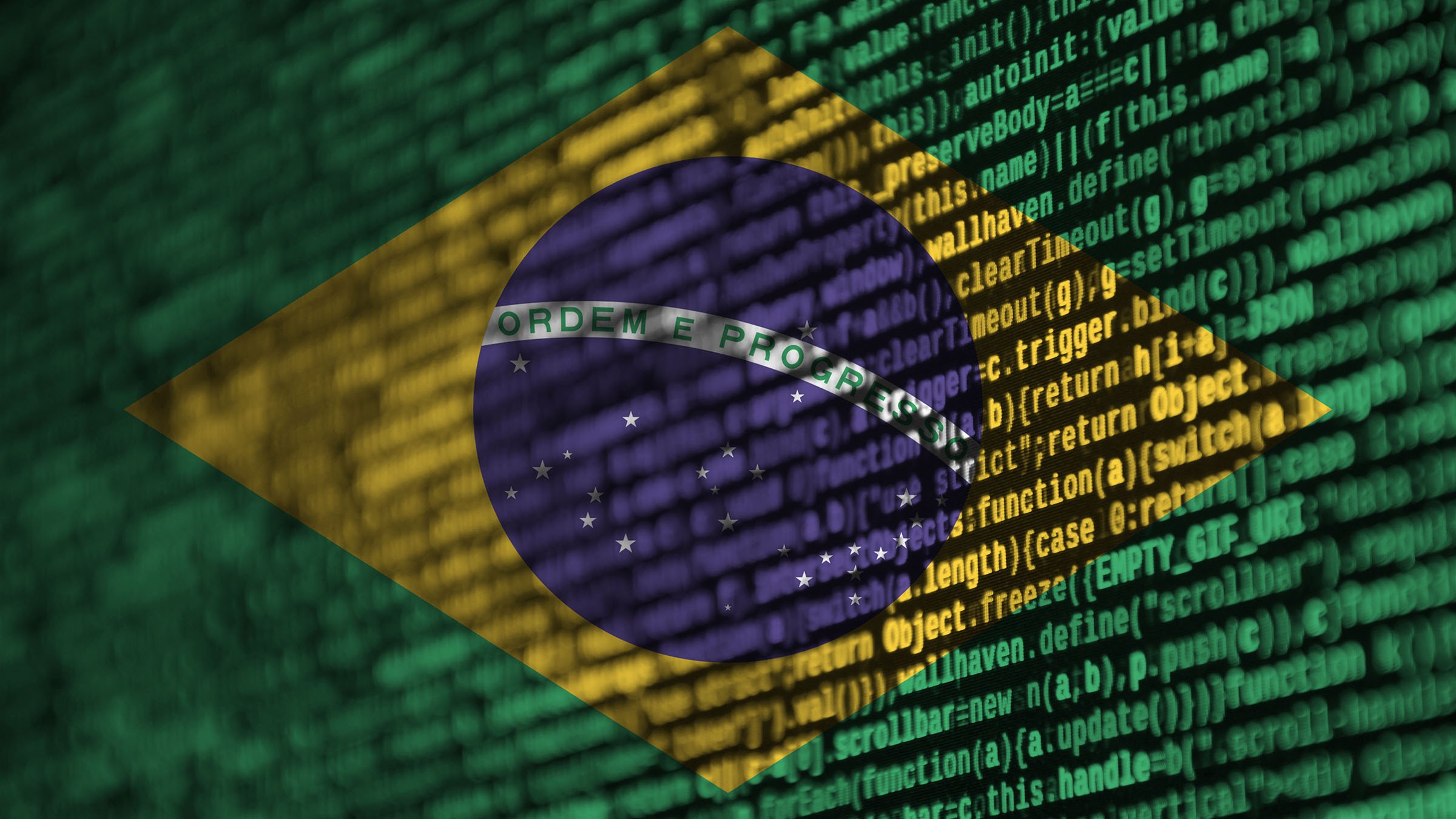
Brazil's Finance Ministry has enacted a comprehensive ban on prediction market platforms including Polymarket and Kalshi, citing investor protection and gambling addiction concerns. The move represents one of the most significant regulatory actions against the emerging prediction markets sector, which has seen substantial growth in the crypto and web3 space.
Regulatory Crackdown on Prediction Markets
The Brazilian government's decision targets platforms that have become increasingly popular among crypto users for wagering on real-world events, from elections to economic indicators. The Finance Ministry specifically flagged concerns about inadequate investor protections and the potential for these platforms to exacerbate gambling-related issues among users.
This regulatory action arrives as prediction markets have gained mainstream attention, particularly during election cycles and major global events. Polymarket, which operates on blockchain technology and processes transactions in cryptocurrency, has emerged as one of the sector's leading platforms. Kalshi, while operating under U.S. regulatory approval, has also been included in Brazil's restrictions.
Implications for Web3 Companies and Workers
The ban creates immediate challenges for companies operating in Brazil's crypto market and signals potential headwinds for blockchain-based prediction platforms globally. Organizations with Brazilian operations or users may need to reassess their compliance strategies and potentially restructure their service offerings.
For web3 professionals, this development underscores the growing importance of regulatory expertise within crypto organizations. Companies building prediction market platforms or similar products will likely increase hiring for compliance officers, legal counsel, and government relations specialists who understand both blockchain technology and evolving financial regulations.
The move also highlights the ongoing tension between decentralized finance innovation and traditional regulatory frameworks. Professionals working in DeFi, particularly those focused on derivatives, betting protocols, or prediction markets, should expect continued regulatory scrutiny across multiple jurisdictions.
As governments worldwide grapple with how to regulate emerging crypto products, demand for professionals who can navigate these complex regulatory environments while maintaining technical innovation will likely increase. Web3 companies expanding internationally should prioritize building robust compliance teams capable of adapting to diverse regulatory landscapes.