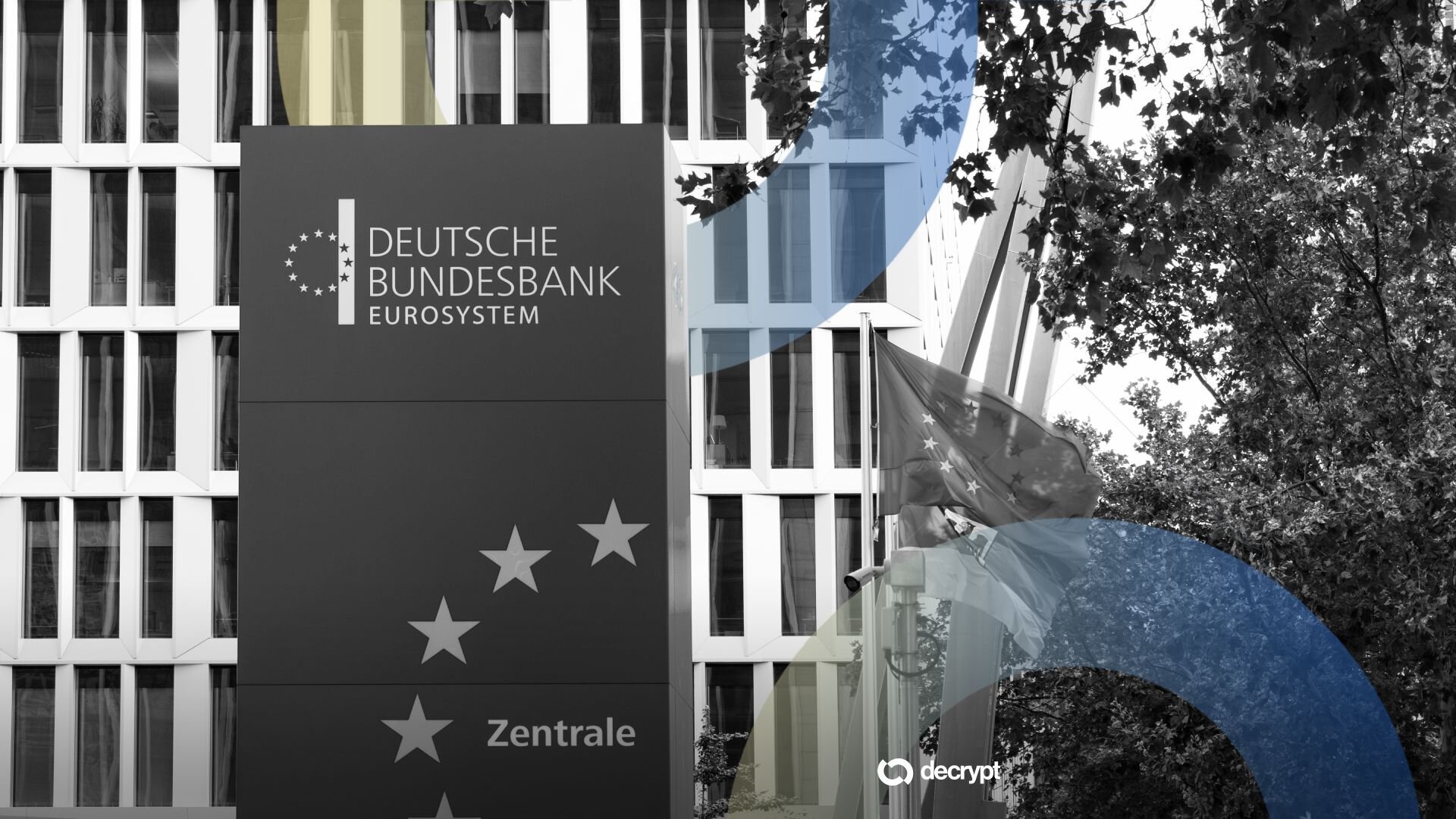
Joachim Nagel, President of Germany's Bundesbank and member of the European Central Bank's Governing Council, has called for the development of euro-pegged stablecoins and a wholesale central bank digital currency (CBDC) to strengthen the euro's position in global digital finance. The proposal represents a strategic response to the dollar's continued dominance in the stablecoin market and broader cryptocurrency ecosystem.
Strategic Push for Euro-Denominated Digital Assets
Nagel's comments highlight growing concerns among European policymakers about digital dollarization, where USD-pegged stablecoins like USDT and USDC dominate crypto markets and cross-border transactions. The Bundesbank president argues that establishing robust euro-denominated alternatives could enhance the currency's international standing as digital asset adoption accelerates globally.
The proposal encompasses two parallel initiatives: private-sector euro stablecoins operating under regulatory frameworks, and a wholesale CBDC designed for institutional and interbank settlements. This dual approach recognizes both the innovation capacity of private markets and the need for central bank-backed digital infrastructure.
Implications for Europe's Blockchain Sector
The advocacy for euro stablecoins arrives as the EU implements its Markets in Crypto-Assets (MiCA) regulation, which establishes comprehensive rules for stablecoin issuers. European blockchain companies and fintech firms may find expanded opportunities in developing compliant euro-pegged solutions under this regulatory clarity.
For web3 professionals, particularly those in blockchain development, compliance, and financial engineering, the push signals potential growth in euro-focused digital asset projects. Companies building payment infrastructure, DeFi protocols, and cross-border settlement systems may increasingly require expertise in euro stablecoin integration and regulatory compliance.
The wholesale CBDC initiative could also create demand for specialists in central bank digital currency architecture, institutional blockchain solutions, and regulatory technology. Financial institutions exploring digital asset services will likely expand hiring for roles bridging traditional finance and blockchain technology.
As European authorities continue positioning the region as a regulated hub for digital assets, professionals with expertise in both crypto-native technologies and European financial frameworks stand to benefit from this strategic pivot toward euro-denominated digital currencies.