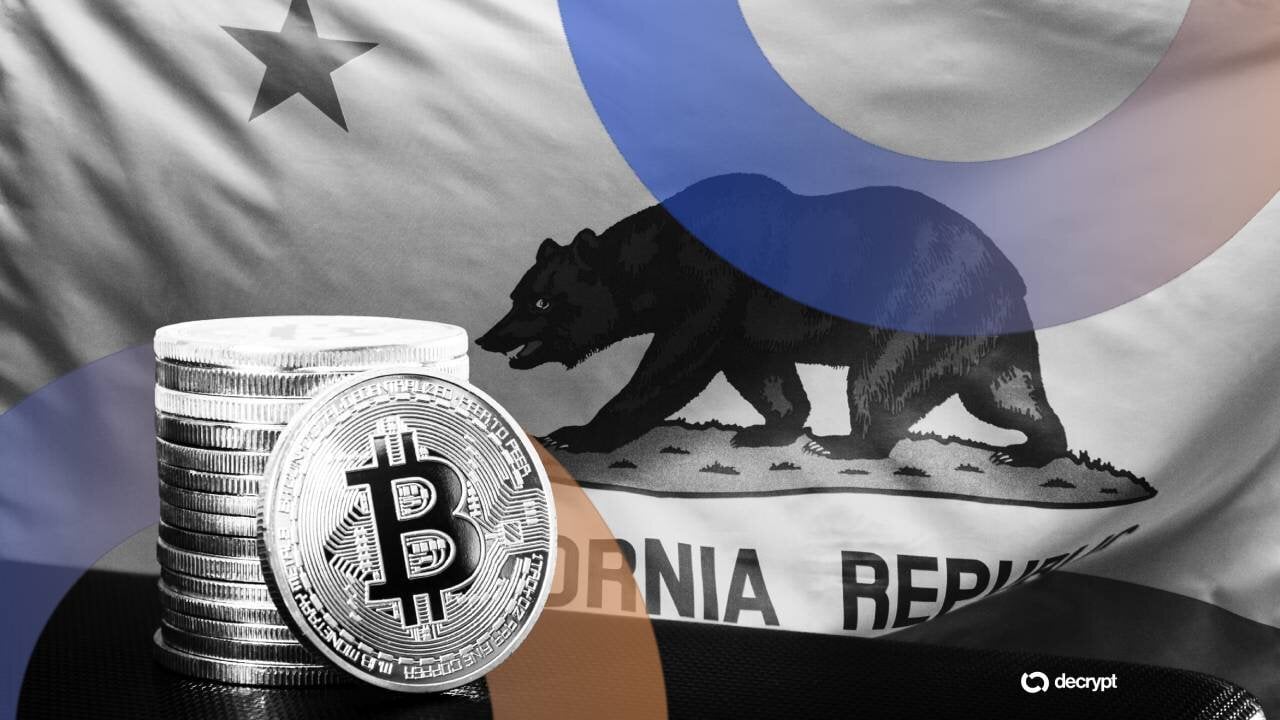
California has implemented a state-level licensing requirement for cryptocurrency companies operating within its jurisdiction. The Digital Financial Assets Law (DFAL) now requires crypto firms serving California residents to obtain proper licensing or submit applications by mid-2026, marking a significant regulatory shift for the industry's largest U.S. market.
New Compliance Requirements Take Effect
The DFAL framework establishes mandatory licensing standards for crypto businesses conducting operations in California. Companies must now navigate a formal application process with the state's regulatory authorities, adding another layer of compliance to their existing operational requirements.
This move places California among a growing number of states implementing jurisdiction-specific crypto regulations, separate from federal oversight. The mid-2026 deadline provides firms with a transition period to ensure compliance, though companies should begin preparation immediately given the complexity of licensing applications.
Implications for Crypto Companies and Operations
The licensing requirement will likely impact hiring decisions and operational structures across the crypto industry. Companies will need to build out or strengthen their compliance teams, creating demand for professionals with expertise in state-level financial regulations and digital asset law.
Organizations without existing California licenses must evaluate whether maintaining operations in the state justifies the licensing costs and ongoing compliance burden. This calculation could influence where crypto firms choose to establish their headquarters and how they structure their service offerings geographically.
Smaller startups and emerging crypto companies may face particular challenges meeting the licensing requirements, potentially creating barriers to entry in the California market. Conversely, established firms with existing compliance infrastructure may find themselves at a competitive advantage.
What This Means for Web3 Professionals
For blockchain and crypto professionals, California's DFAL implementation signals growing opportunities in regulatory compliance roles. Companies will need legal counsel, compliance officers, and risk management specialists familiar with state-level crypto regulations.
Professionals currently working for crypto firms serving California should anticipate organizational changes as their employers adapt to the new requirements. This may include new internal processes, expanded compliance teams, and potentially restructured operations. Those with experience navigating complex regulatory frameworks will find their skills increasingly valuable as the industry matures under evolving state and federal oversight.



