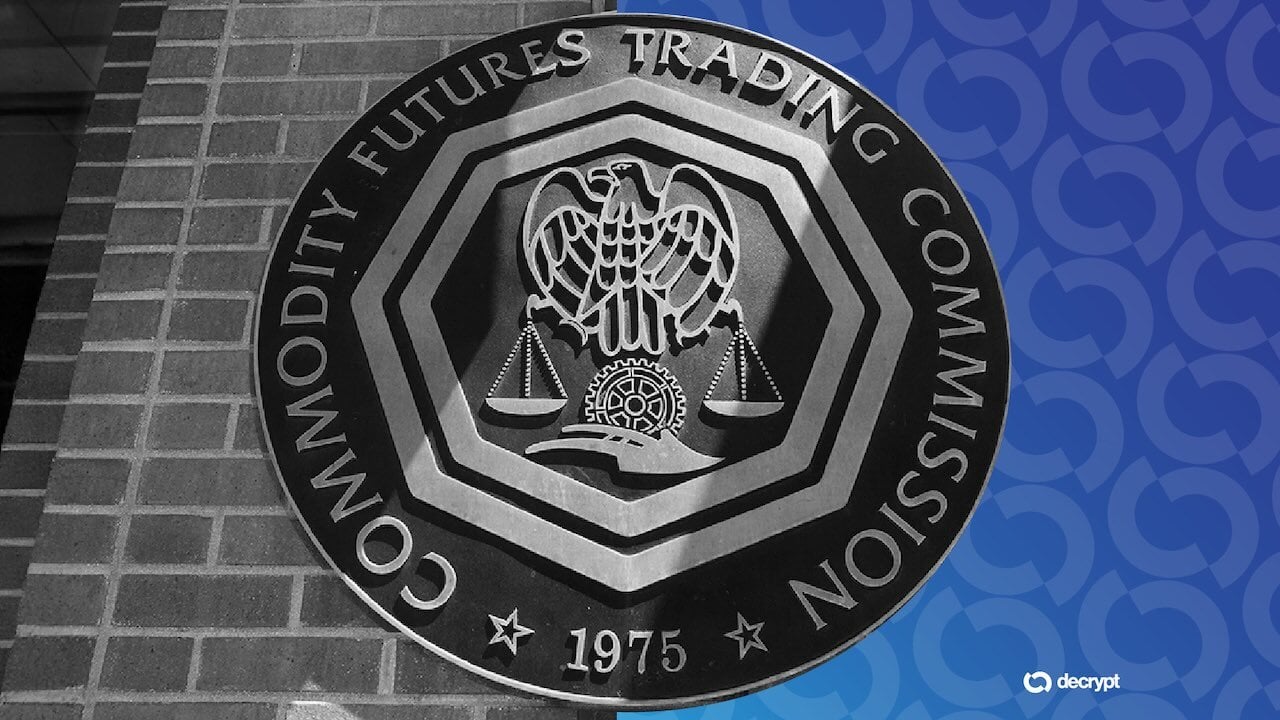
CFTC Chairman Michael Selig has directly responded to state-level efforts to challenge the agency's authority over prediction markets, signaling potential legal battles ahead. The dispute centers on jurisdictional questions that could reshape regulatory oversight in the digital asset sector and impact compliance roles across the industry.
Regulatory Turf War Intensifies
The conflict between federal and state regulators over prediction markets has reached a critical point, with Selig defending the CFTC's exclusive jurisdiction in the space. Several states have pushed back against federal oversight, arguing for their own regulatory authority over these platforms.
This jurisdictional dispute has significant implications for companies operating prediction markets and related blockchain-based platforms. The outcome will determine which regulatory frameworks these businesses must navigate and what compliance expertise they'll need on their teams.
For blockchain professionals working in compliance, legal, and regulatory affairs, this uncertainty creates both challenges and opportunities. Companies may need to build out larger compliance teams capable of managing both federal and state-level requirements, particularly if dual oversight becomes the norm.
Impact on Industry Growth
The regulatory clarity—or lack thereof—directly affects hiring decisions across the prediction markets sector. Companies face difficult choices about resource allocation when regulatory frameworks remain unsettled. Legal and compliance professionals with CFTC experience may find increased demand for their expertise as platforms prepare for potential litigation.
The standoff also reflects broader tensions in crypto regulation, where overlapping jurisdictions and unclear boundaries continue to complicate operations. Similar disputes over regulatory authority have emerged in DeFi, NFTs, and other blockchain applications, creating sustained demand for professionals who can navigate complex multi-jurisdictional compliance landscapes.
For web3 professionals, this development underscores the ongoing importance of regulatory knowledge alongside technical skills. As the industry matures, positions requiring expertise in both blockchain technology and regulatory frameworks will likely command premium compensation. Companies building prediction markets or adjacent products should monitor this situation closely, as the resolution could influence everything from licensing requirements to staffing needs in compliance and legal departments.


