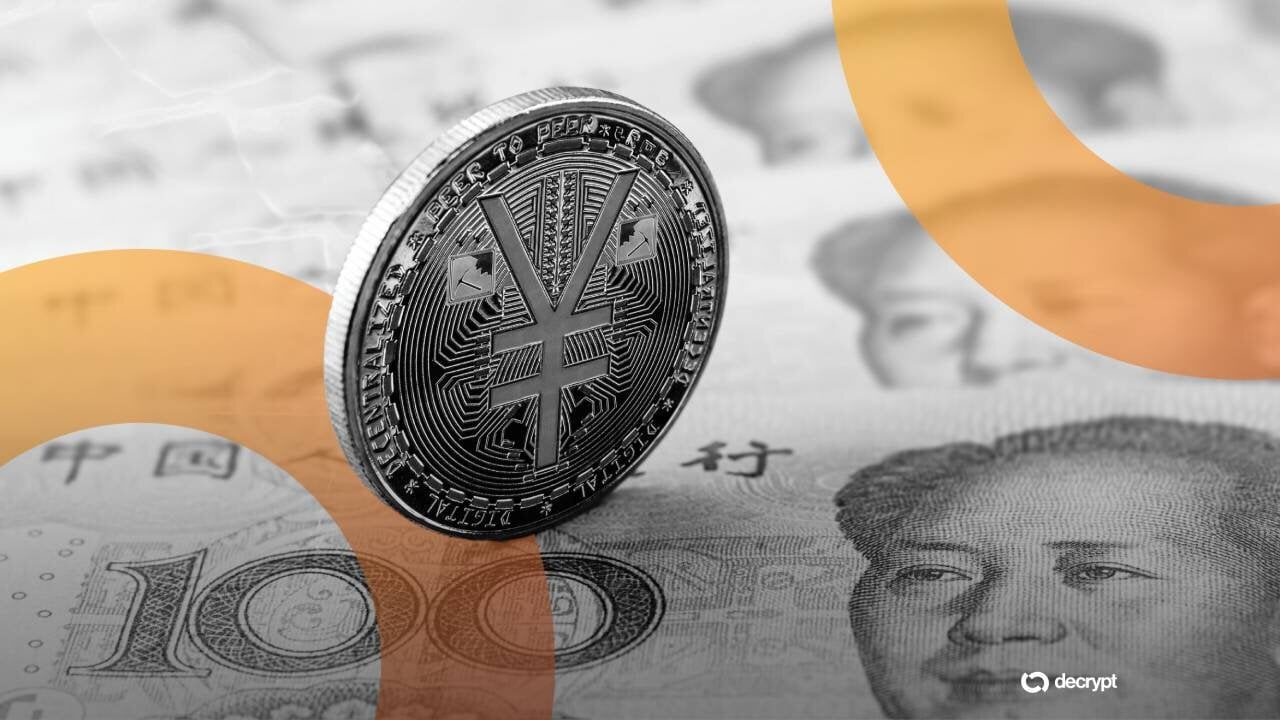
China has formalized its restrictive stance on digital assets by implementing a comprehensive ban on unauthorized yuan-backed stablecoins and tokenized real-world assets. The regulatory action represents the latest development in the country's ongoing efforts to maintain strict control over its financial system and cryptocurrency activities.
Regulatory Framework Takes Shape
Chinese authorities have codified restrictions that prohibit the issuance and circulation of stablecoins pegged to the yuan without explicit government approval. The ban extends to tokenized assets, effectively blocking real-world asset (RWA) tokenization projects that have gained traction in other global markets. This move consolidates previous informal guidance into enforceable policy, leaving little ambiguity about the government's position on privately-issued digital yuan alternatives.
The formalization follows years of incremental restrictions on cryptocurrency activities within China, including the 2021 ban on crypto mining and trading. By targeting yuan-linked stablecoins specifically, regulators aim to eliminate potential competitors to the digital yuan (e-CNY), the central bank digital currency currently in advanced pilot stages.
Impact on the Blockchain Workforce
For blockchain professionals, particularly those specializing in stablecoin infrastructure, DeFi protocols, and tokenization platforms, this development reinforces the need to focus on markets outside mainland China. Companies building yuan-pegged products or RWA tokenization solutions will need to redirect development efforts toward other jurisdictions or pivot their business models entirely.
The regulatory environment continues to push Chinese blockchain talent toward either relocation or engagement with international projects. Developers and financial engineers with expertise in regulatory compliance and cross-border digital asset frameworks may find increased demand as firms navigate the complex global regulatory landscape.
For professionals in the broader Web3 ecosystem, China's stance serves as a reminder of the fragmented regulatory environment. Those seeking stable career paths in stablecoins or tokenization should prioritize opportunities in jurisdictions with clearer, more supportive regulatory frameworks, including Singapore, the UAE, and certain European markets where digital asset innovation receives structured oversight rather than outright prohibition.


