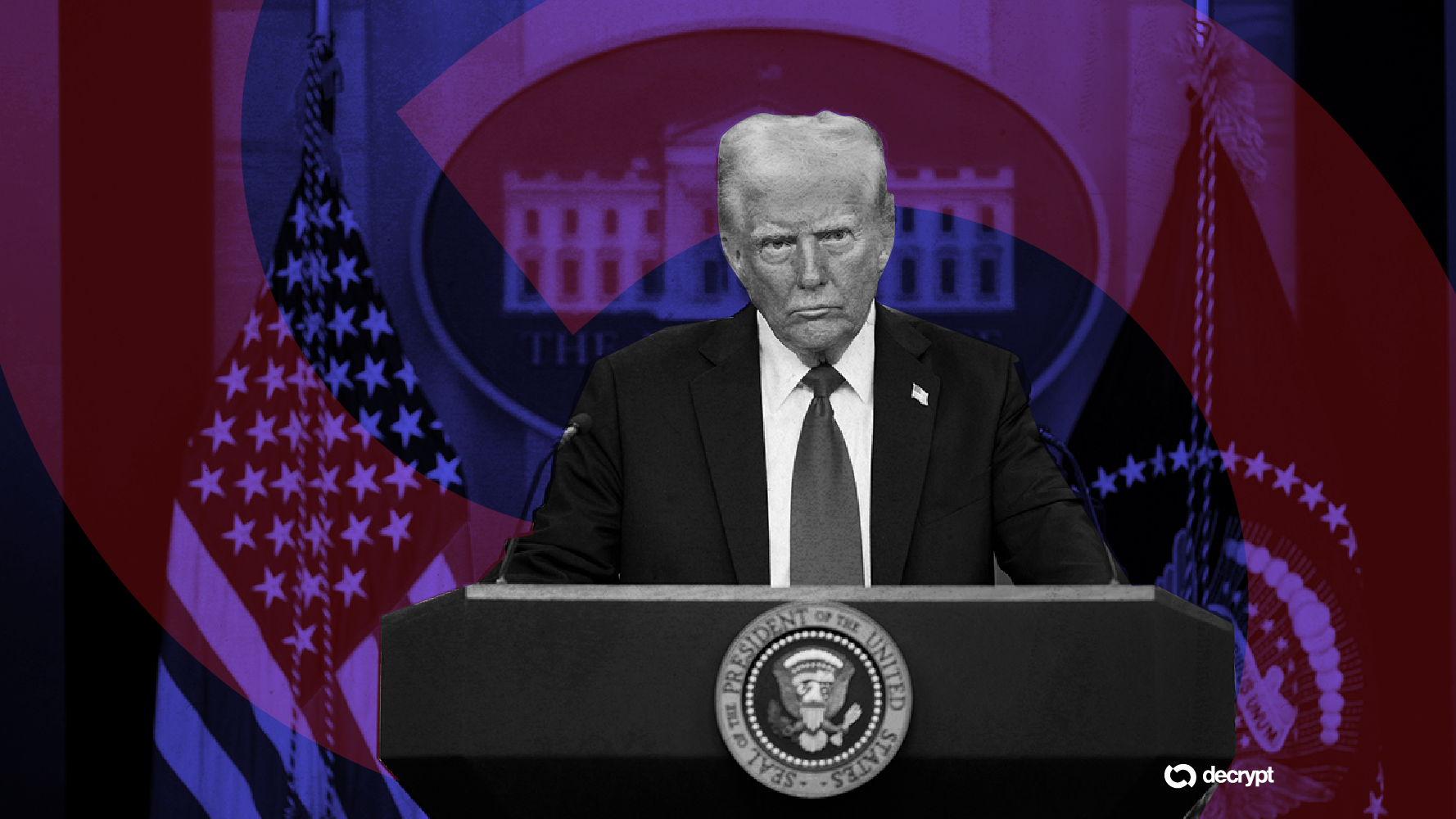
World Liberty Financial's recently announced $500 million agreement with the United Arab Emirates has sparked significant opposition in Congress, potentially jeopardizing the timeline for the CLARITY Act and other pending crypto legislation.
Political Tensions Impact Regulatory Progress
The controversial deal involving World Liberty Financial, a DeFi project with ties to President Trump, has created friction among lawmakers who were previously aligned on cryptocurrency policy. Congressional sources indicate that the UAE agreement has become a focal point for critics questioning conflicts of interest, leading several members to reconsider their support for near-term crypto legislation.
The CLARITY Act, which aims to establish clearer regulatory frameworks for digital assets, had been gaining bipartisan momentum in recent months. The legislation would provide much-needed guidance on token classification and regulatory jurisdiction—issues that directly affect hiring decisions and business planning across the blockchain industry. However, the World Liberty Financial controversy has complicated these efforts, with some legislators now hesitant to advance crypto-friendly bills while presidential business interests remain under scrutiny.
Workforce Implications
The potential delay carries significant consequences for crypto companies and professionals navigating an uncertain regulatory landscape. Clear regulatory frameworks remain a top priority for blockchain companies planning U.S. expansion and hiring initiatives. Many firms have postponed major hiring decisions pending regulatory clarity, and further delays could extend this cautious approach.
Industry observers note that prolonged uncertainty affects talent retention and recruitment across the sector. Companies seeking to hire compliance specialists, legal experts, and other regulatory-focused roles face particular challenges when the underlying rules remain undefined. International crypto firms evaluating U.S. operations also factor regulatory predictability into their workforce planning decisions.
The situation underscores the complex relationship between political developments and the blockchain industry's operational environment. For web3 professionals, particularly those in compliance, policy, and legal roles, the evolving political landscape around crypto legislation continues to create both challenges and opportunities. The coming weeks will likely determine whether lawmakers can separate specific business controversies from broader regulatory reform efforts that affect the entire industry.


