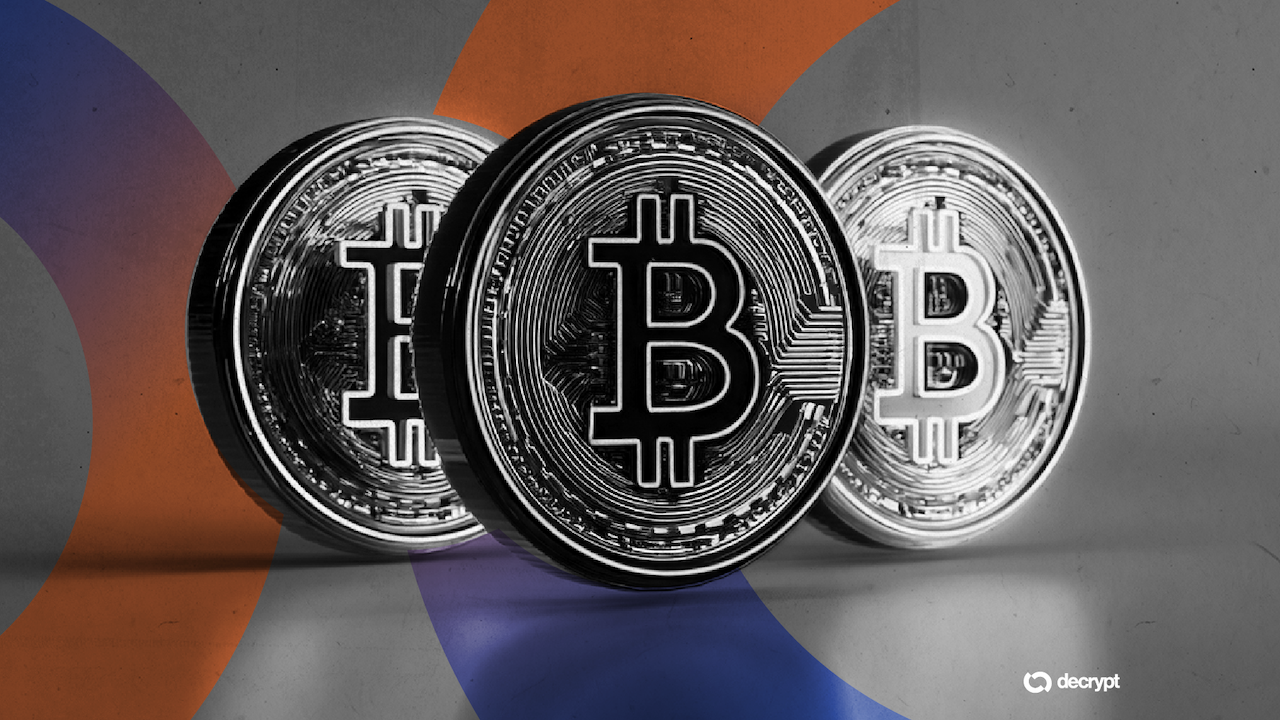
Cryptocurrency markets declined sharply alongside gold and U.S. equities following statements from former President Trump about intensifying military action against Iran. The former president's claim that the Iran conflict was "nearing completion" lacked concrete details on reopening the Strait of Hormuz, a critical shipping route that handles roughly 20% of global oil traffic.
Market Impact Across Asset Classes
Bitcoin and major cryptocurrencies experienced notable losses as risk-off sentiment spread across global markets. The downturn affected both digital assets and traditional safe havens like gold, which typically moves inversely to riskier assets during geopolitical tensions. U.S. stock indices also registered declines as investors reacted to the uncertainty surrounding Middle East policy and potential supply chain disruptions.
The simultaneous drop across typically uncorrelated assets highlights how macroeconomic and geopolitical factors continue to influence crypto market behavior. For blockchain professionals, this reinforces the reality that the crypto industry remains closely tied to broader economic conditions despite narratives around decentralization and independence from traditional finance.
Implications for Blockchain Companies
Geopolitical instability and market volatility create mixed signals for the crypto workforce. While prolonged uncertainty can slow venture funding and delay hiring initiatives at growth-stage blockchain startups, it often accelerates institutional interest in digital assets as portfolio diversification tools.
Companies focused on infrastructure, security, and institutional-grade solutions may see sustained demand even during market downturns. Professionals with expertise in risk management, regulatory compliance, and enterprise blockchain solutions remain particularly valuable as traditional institutions continue evaluating crypto exposure.
The broader economic uncertainty could also impact compensation structures across the industry, with some companies potentially shifting toward more conservative equity allocations or extending hiring timelines until market conditions stabilize.
For Web3 professionals navigating current market conditions, the emphasis should remain on building expertise in areas with fundamental long-term demand rather than chasing short-term market trends. Positions in protocol development, cybersecurity, and institutional infrastructure tend to weather volatility better than roles dependent on retail trading activity or speculative project launches.