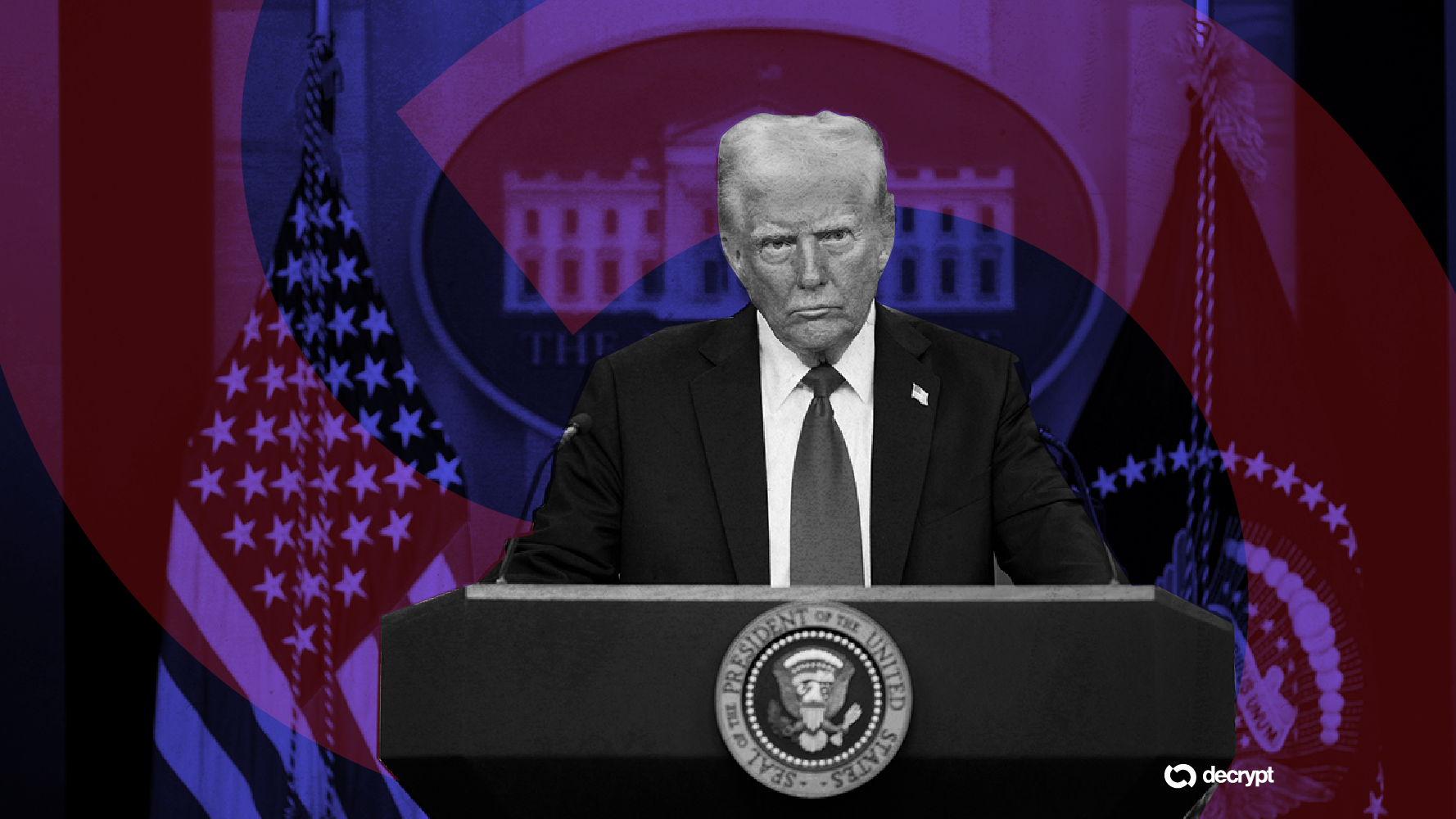
Democratic members of the House Financial Services Committee have raised concerns about World Liberty Financial's application for a national bank charter, citing potential risks to the U.S. banking system's integrity and national security. The crypto venture, backed by the Trump family, faces scrutiny from lawmakers who question whether granting such approval could set problematic precedents for the digital asset banking sector.
Regulatory Concerns Surface
The legislators' opposition centers on World Liberty Financial's ownership structure and potential conflicts of interest. Representatives argue that approving the charter could undermine public confidence in the banking system's regulatory framework, particularly given the controversial nature of mixing political prominence with crypto banking operations.
The Office of the Comptroller of the Currency (OCC), which oversees national bank charters, has received formal objections from committee members. They emphasize that the application requires heightened scrutiny due to the applicant's unique profile and the evolving regulatory landscape for crypto-integrated financial institutions.
This development adds another layer of complexity to the ongoing debate about how traditional banking regulators should approach crypto-native companies seeking conventional banking licenses. The outcome could influence how future crypto firms structure their charter applications and what level of regulatory scrutiny they should anticipate.
Implications for Crypto Banking Sector
For blockchain and crypto professionals, this situation highlights the continuing regulatory uncertainty facing companies that bridge traditional finance and digital assets. The challenge to World Liberty Financial's application demonstrates that political considerations and reputational factors now play significant roles alongside technical compliance in charter approval processes.
Companies building in the crypto banking space may need to reassess their regulatory strategies and prepare for more intensive vetting processes. This could create demand for professionals with expertise in both blockchain technology and traditional banking compliance, particularly those who understand the intersection of political risk and financial regulation.
The resolution of this application will likely influence hiring priorities at crypto-focused financial institutions, with increased emphasis on regulatory affairs, compliance, and government relations roles. Web3 professionals monitoring this development should note that the crypto banking sector's growth trajectory may depend heavily on how regulators navigate these politically sensitive applications in the coming months.


