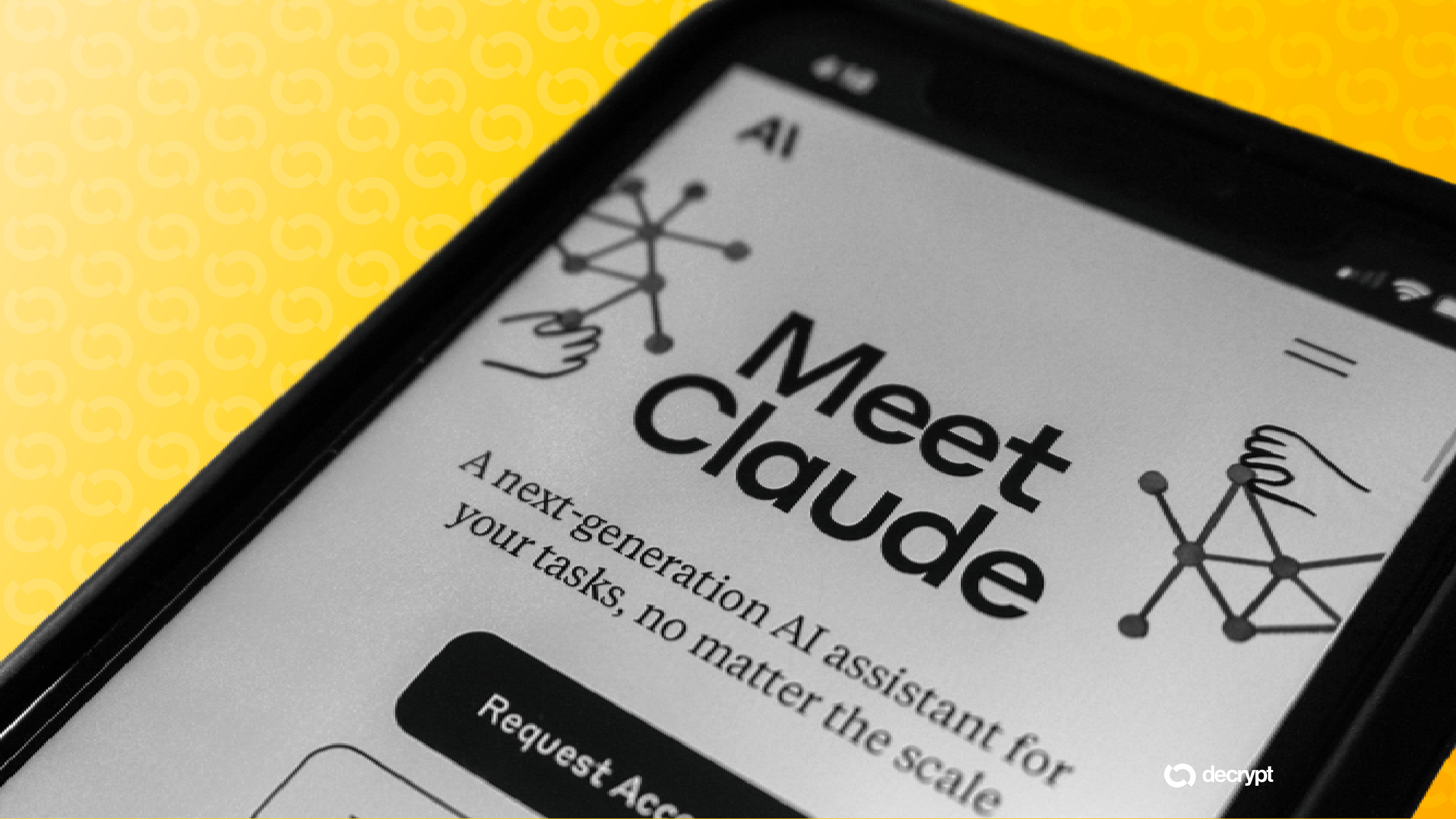
A recent experiment in AI optimization has caught the attention of blockchain developers looking to reduce operational costs. A developer shared findings showing that instructing Claude AI to respond in compressed, minimalist language reduced output tokens by approximately 75%, sparking widespread discussion among technical teams working with large language models.
The Efficiency Breakthrough
The technique involves instructing AI models to respond using extremely condensed syntax—eliminating articles, conjunctions, and unnecessary words while maintaining semantic meaning. The approach emerged from practical cost concerns, as AI API usage bills scale directly with token consumption.
Multiple development teams have since created GitHub repositories dedicated to testing and refining this optimization method. The original Reddit post generated over 400 comments from developers sharing their own implementations and results across different AI models and use cases.
For blockchain companies running AI-powered applications—whether for smart contract auditing, blockchain analytics, or customer support—token costs represent a significant operational expense. This compression technique offers a straightforward way to reduce infrastructure spending without requiring architectural changes or model fine-tuning.
Implications for Web3 Development Teams
The discovery holds particular relevance for crypto organizations integrating AI capabilities into their products. Development teams working on AI-enhanced blockchain explorers, trading assistants, or documentation tools can potentially reduce their API costs substantially by implementing similar compression strategies.
However, the approach requires careful evaluation. While compressed outputs maintain technical accuracy, they sacrifice readability and may not suit all applications—particularly those requiring polished user-facing content. Teams will need to assess whether the cost savings justify the additional processing required to expand compressed responses into natural language when necessary.
The broader trend reflects growing pressure on web3 companies to optimize operational costs during market uncertainty. As blockchain firms continue integrating AI tools for development workflows, code review, and security analysis, finding cost-effective approaches to AI utilization becomes increasingly critical for maintaining sustainable operations.
For professionals in DevOps, backend development, and AI engineering roles within crypto companies, familiarity with these optimization techniques may become valuable expertise as organizations seek to control infrastructure spending while expanding AI capabilities.



