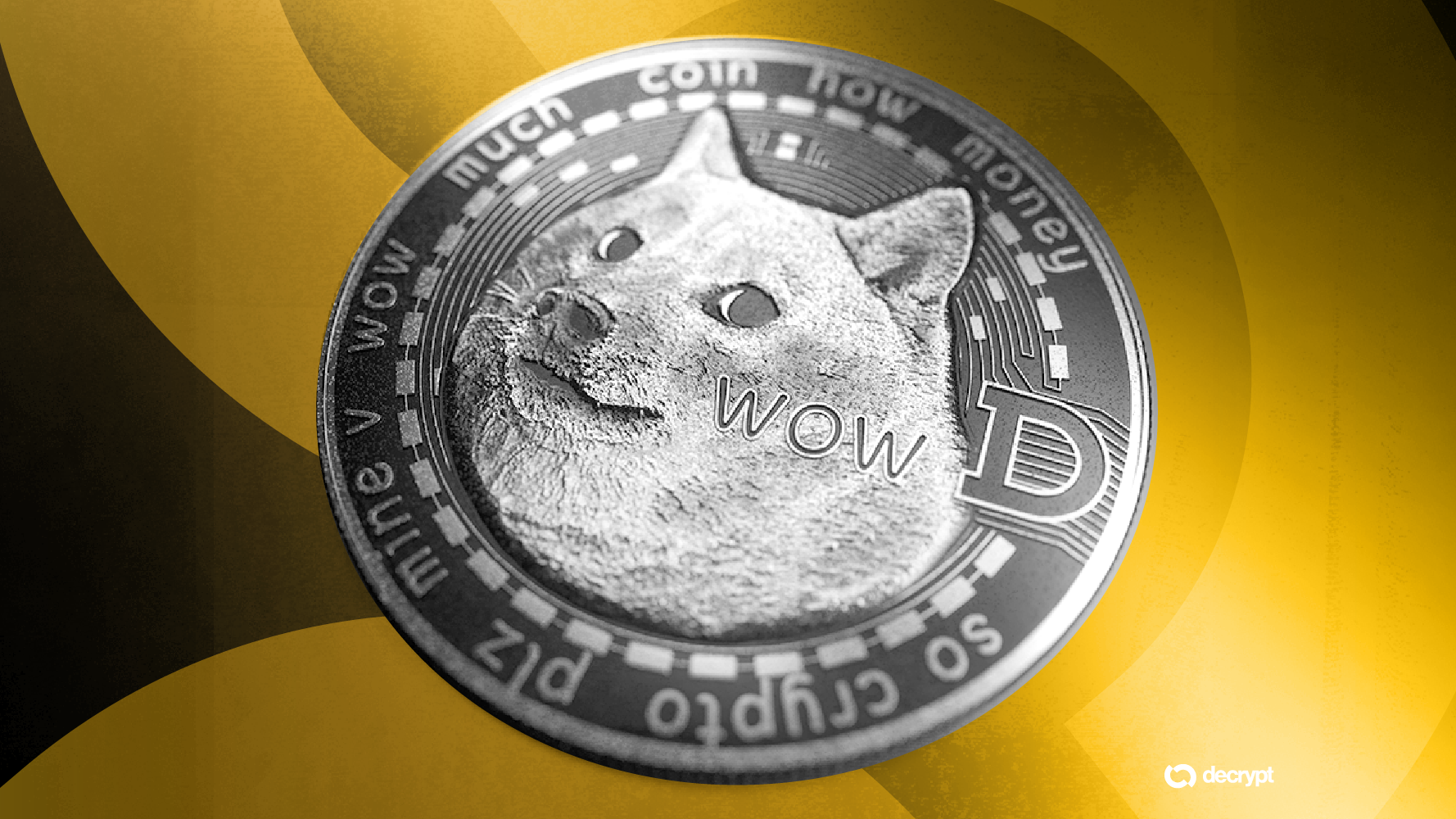
Dogecoin Cash, a company operating in the meme coin-adjacent space, has announced plans to launch tokenized gold products, marking another entrant into the growing asset-backed digital token sector. The move positions the firm alongside established players like Tether and Paxos, who have successfully operated tokenized precious metals offerings for several years.
Expansion of Asset-Backed Token Sector
The tokenized gold market represents a maturing segment within the cryptocurrency industry, where blockchain technology meets traditional commodity trading. Tether's gold-backed token and Paxos's PAX Gold have demonstrated sustained demand for digital assets pegged to physical precious metals, creating a blueprint that newer entrants are now following.
Dogecoin Cash's entrance into this market signals broader industry consolidation around real-world asset (RWA) tokenization, a sector that has attracted significant institutional interest and development resources. The company's shift toward asset-backed products reflects a broader industry trend where projects diversify beyond speculative tokens toward instruments with tangible underlying value.
Workforce Implications
This development carries several implications for blockchain professionals and the crypto job market. The expansion of RWA tokenization creates continued demand for specialized roles, including:
- Compliance and regulatory specialists familiar with commodity markets
- Smart contract developers with expertise in asset custody and verification systems
- Operations professionals who can bridge traditional finance and blockchain infrastructure
- Auditors and security experts focused on proof-of-reserves mechanisms
Companies entering the tokenized commodities space typically require multidisciplinary teams that combine blockchain expertise with traditional financial services knowledge, creating opportunities for professionals with hybrid skill sets.
For web3 professionals monitoring industry trends, the growth of asset-backed token offerings represents a segment with different risk profiles and regulatory requirements compared to traditional cryptocurrency projects. As more firms explore tokenization of physical assets, professionals with experience in custody solutions, regulatory compliance, and traditional commodity markets will likely see increased demand for their expertise across both established players and new market entrants.



