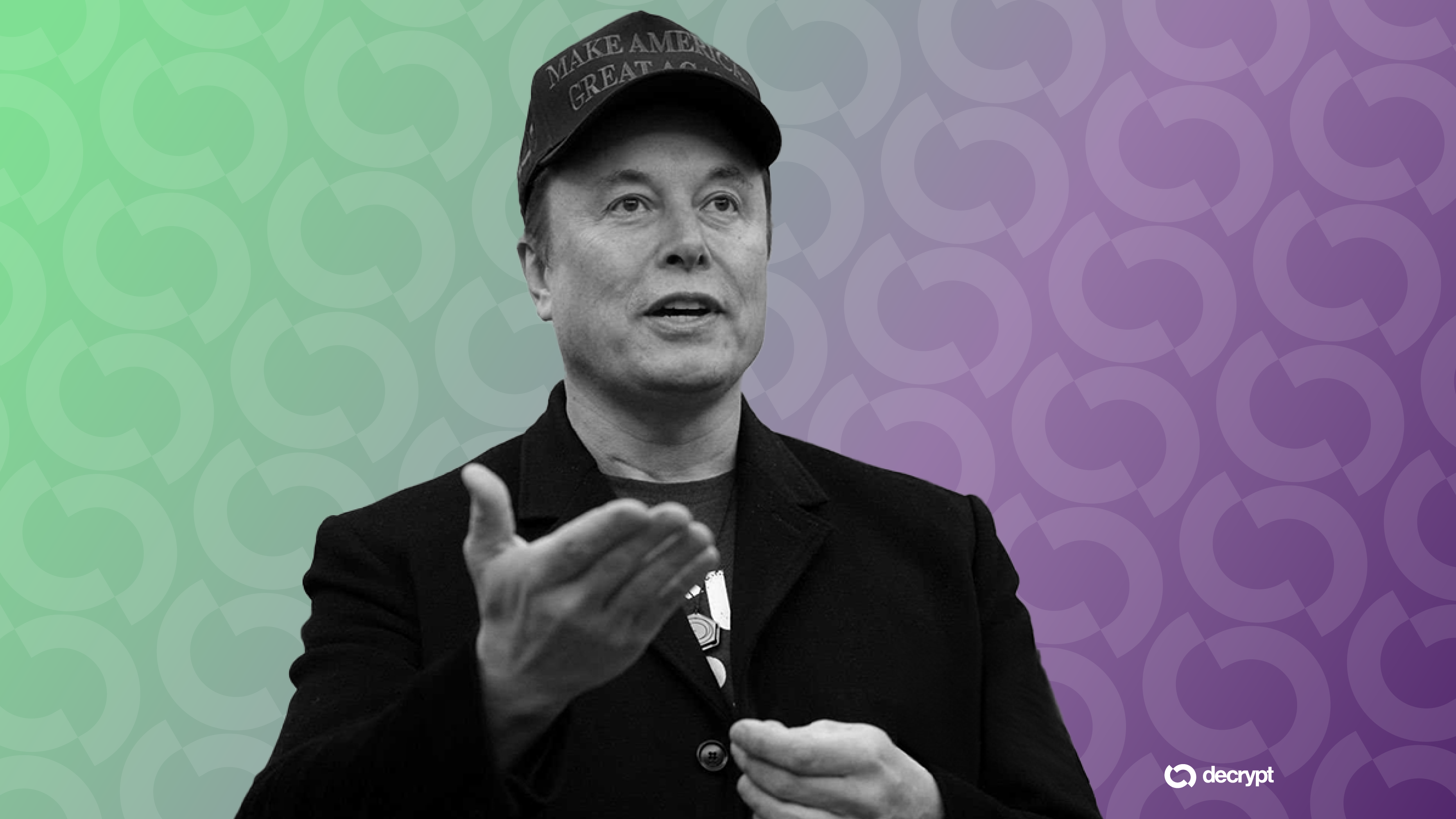
The U.S. Department of Justice has filed to intervene in Elon Musk's xAI lawsuit contesting Colorado's algorithmic discrimination law, marking a significant development in how federal authorities approach AI regulation. The move signals potential implications for tech companies and their compliance teams navigating emerging state-level AI governance frameworks.
Federal-State Regulatory Tension Emerges
The DOJ's intervention in the xAI case highlights growing tensions between state and federal approaches to AI oversight. Colorado's algorithmic discrimination law requires companies to audit AI systems for bias and discrimination, particularly in high-stakes applications like hiring, housing, and credit decisions. xAI's legal challenge argues the state law overreaches into federal jurisdiction and imposes burdensome compliance requirements.
For compliance officers, legal counsel, and policy professionals in the crypto and AI sectors, this case represents a critical test of how state-level AI regulations will withstand federal scrutiny. The outcome could establish precedents affecting how blockchain companies deploying AI tools—from automated trading systems to credential verification—approach regulatory compliance across different jurisdictions.
Workforce and Hiring Implications
The legal battle carries direct consequences for hiring practices in tech companies using AI-powered recruitment tools. Many blockchain and crypto firms have adopted algorithmic screening and assessment platforms to manage high application volumes for technical roles. Colorado's law would require regular audits of these systems to identify potential discriminatory patterns.
If the federal government successfully challenges Colorado's framework, companies may face a patchwork of conflicting state requirements, complicating compliance strategies. Alternatively, if Colorado's law stands, it could accelerate demand for specialized roles including AI ethics officers, algorithmic auditors, and compliance specialists familiar with both blockchain technology and anti-discrimination law.
The case also underscores the expanding intersection between AI governance and blockchain operations, as many Web3 platforms increasingly incorporate machine learning for security, user verification, and automated decision-making. Professionals with cross-disciplinary expertise in AI regulation, blockchain development, and compliance frameworks may find growing opportunities as companies navigate this evolving legal landscape.


