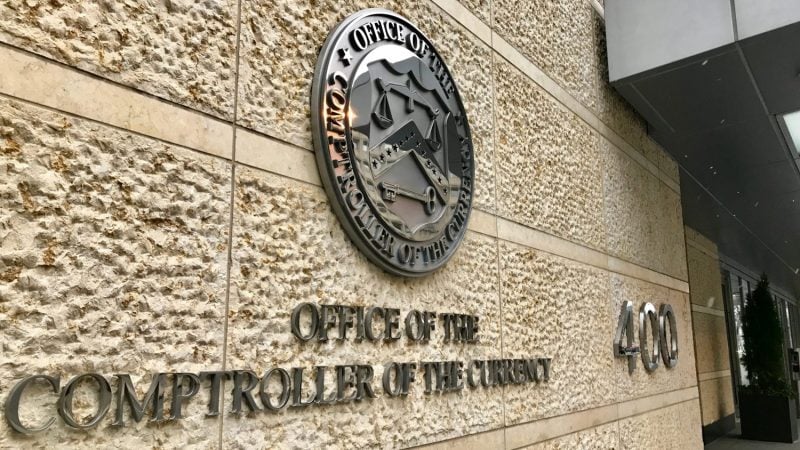
EDX Markets, the digital asset exchange backed by Charles Schwab and Citadel Securities, has filed for a national trust bank charter with the Office of the Comptroller of the Currency (OCC). The move signals growing institutional appetite for regulatory clarity and traditional banking infrastructure within the cryptocurrency sector.
Institutional Push for Banking Charters
EDX joins a growing roster of prominent cryptocurrency firms pursuing OCC trust charters, including Bridge, Ripple, Circle, BitGo, Fidelity Digital Assets, and Paxos. The trend reflects the industry's strategic shift toward establishing regulated financial infrastructure that bridges traditional finance and digital assets.
National trust bank charters allow firms to offer custody and other fiduciary services under federal oversight, providing a clearer regulatory framework than the patchwork of state-level licensing requirements. For companies backed by major Wall Street players like EDX, this regulatory pathway offers legitimacy and operational consistency across jurisdictions.
The OCC has historically granted such charters to crypto-native firms, though approvals have fluctuated with changing administrations and regulatory priorities. The current wave of applications suggests firms anticipate a more favorable regulatory environment for institutional-grade crypto infrastructure.
Workforce Implications
This regulatory evolution creates significant opportunities for professionals at the intersection of traditional finance and blockchain technology. Companies pursuing trust charters need talent with expertise in compliance, risk management, banking operations, and digital asset infrastructure.
The institutional backing behind EDX—which includes major traditional finance players—demonstrates that established financial services firms continue investing in crypto capabilities. This trend typically translates to competitive compensation packages and career stability compared to crypto-native startups.
For professionals considering career moves in the sector, firms with trust charters or pending applications may offer more structured career paths and regulatory certainty. These organizations typically require professionals who understand both blockchain technology and traditional banking regulations, creating demand for hybrid skill sets.
As more crypto firms pursue traditional banking infrastructure, the industry edges closer to mainstream financial integration. Web3 professionals should monitor these regulatory developments closely, as they signal where institutional hiring priorities and infrastructure investments are heading in the coming years.