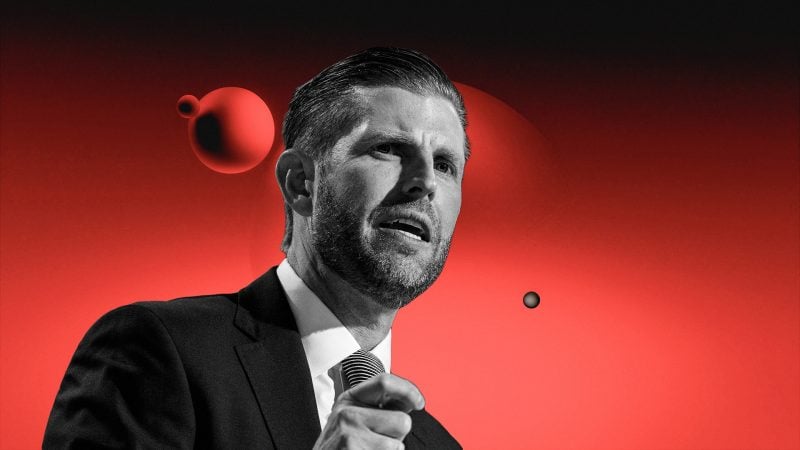
Eric Trump has publicly criticized traditional banks for their opposition to stablecoin regulation, calling their lobbying efforts "anti-American" as the crypto industry faces increased scrutiny from legacy financial institutions. The comments add to growing tensions between the banking sector and digital asset advocates over the future of dollar-backed digital currencies.
Banking Sector Pushback on Stablecoins
Traditional financial institutions have ramped up their lobbying efforts against proposed stablecoin legislation, raising concerns about regulatory frameworks that would legitimize digital dollar alternatives. The banking industry's opposition centers on competitive threats that regulated stablecoins could pose to traditional deposit-based business models.
Patrick Witt, a White House advisor, recently challenged remarks from JPMorgan CEO Jamie Dimon regarding stablecoins and cryptocurrency regulation. Dimon has been a vocal skeptic of digital assets, though his bank has simultaneously developed its own blockchain-based payment systems.
The debate reflects broader questions about how the U.S. will regulate stablecoins, which have become critical infrastructure for crypto markets. These dollar-pegged tokens facilitate billions in daily trading volume and serve as rails for cross-border payments, creating direct competition with traditional banking services.
Implications for the Crypto Workforce
The ongoing policy debate carries significant implications for blockchain professionals and companies building stablecoin infrastructure. Clear regulatory frameworks could unlock substantial hiring as firms scale compliant operations, while regulatory uncertainty or restrictive rules may push development and jobs offshore.
Several crypto companies have already expanded their policy and compliance teams in anticipation of federal stablecoin legislation. Legal experts, compliance officers, and regulatory affairs professionals remain in high demand as companies navigate the evolving landscape.
For web3 professionals, the stablecoin debate represents a critical juncture. Supportive regulation could accelerate institutional adoption and create new opportunities across payments, DeFi, and financial infrastructure. Conversely, restrictive policies shaped by banking industry lobbying could limit domestic innovation and shift opportunities to more favorable jurisdictions. As policymakers weigh competing interests, the outcome will significantly influence where stablecoin companies build teams and invest in talent.


