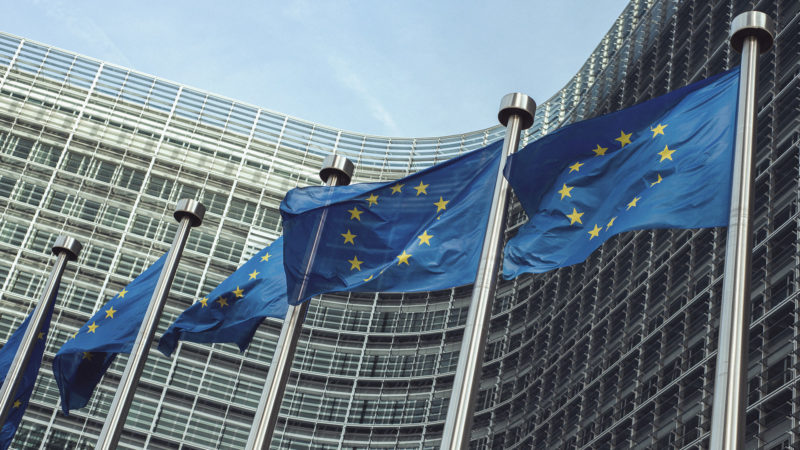
The European Union is considering a comprehensive ban on cryptocurrency transactions with Russia as regulators seek to strengthen sanctions enforcement and prevent evasion through digital assets, according to a Financial Times report. The proposed measures aim to block potential successors to Garantex, the Russian crypto exchange sanctioned by the EU in 2023.
Targeting Sanctions Circumvention
The move reflects growing concern among EU policymakers about Russia's use of cryptocurrency networks to bypass traditional financial sanctions. While the EU sanctioned Garantex last year for facilitating illicit transactions, regulators now recognize that individual exchange sanctions may prove insufficient without broader restrictions on crypto activity.
The proposed ban would represent a significant escalation in the EU's approach to crypto-related sanctions enforcement. Rather than targeting specific platforms or entities, the measure would impose blanket restrictions on cryptocurrency transactions involving Russian counterparties. This preventive strategy seeks to eliminate the infrastructure for sanctions evasion before new platforms emerge to fill the void left by Garantex.
Implications for Crypto Compliance Professionals
For blockchain professionals working in compliance, regulatory affairs, and transaction monitoring, these developments signal increasing demand for expertise in sanctions screening and geofencing capabilities. Crypto exchanges and service providers operating in EU jurisdictions will need enhanced systems to identify and block transactions involving Russian entities if the ban moves forward.
The regulatory landscape continues to evolve rapidly as governments worldwide grapple with cryptocurrency's role in cross-border payments. Compliance teams at crypto firms should anticipate more sophisticated requirements around transaction monitoring, wallet screening, and jurisdictional restrictions.
For professionals considering career moves in the crypto sector, roles focused on regulatory compliance, policy analysis, and blockchain forensics are likely to see sustained growth. Companies serving European markets will need specialists who understand both traditional sanctions frameworks and blockchain-specific enforcement mechanisms. As regulatory pressure intensifies, firms that invest in robust compliance infrastructure and talent will be better positioned to navigate the increasingly complex operating environment.


