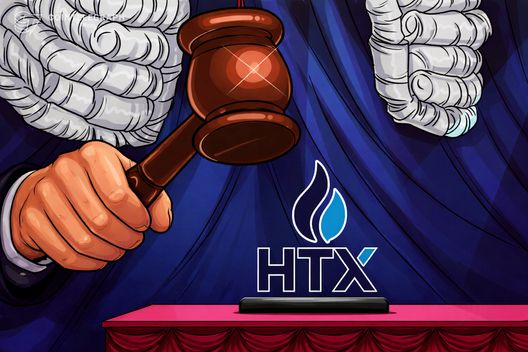
The UK's Financial Conduct Authority (FCA) has filed legal proceedings against Panama-based cryptocurrency exchange HTX and several unnamed individuals for allegedly conducting unauthorized financial promotions targeting UK consumers. The enforcement action highlights growing regulatory scrutiny of crypto platforms operating in British markets without proper authorization.
Regulatory Compliance Challenges Intensify
The FCA's lawsuit centers on claims that HTX continued to market its services to UK residents through social media channels despite lacking the required regulatory permissions. The case underscores the critical importance of regulatory compliance for crypto companies seeking to operate in or market to UK audiences, even when based offshore.
This legal action comes amid the FCA's broader crackdown on unauthorized crypto promotions, which has already resulted in warnings and enforcement actions against numerous platforms. The regulator has repeatedly emphasized that firms offering crypto services to UK consumers must either be registered with the FCA or comply with strict promotion rules.
Implications for Crypto Industry Operations
The HTX case serves as a clear warning to cryptocurrency exchanges and blockchain companies about the risks of operating in regulatory gray areas. Compliance teams at crypto firms face mounting pressure to navigate increasingly complex international regulations, creating sustained demand for legal and regulatory specialists in the Web3 sector.
For professionals in the crypto industry, this development reinforces several key trends. Companies expanding into European markets are prioritizing regulatory compliance roles, with particular demand for specialists familiar with FCA requirements and UK financial services law. Risk and compliance positions continue to see strong growth as exchanges and DeFi platforms work to align their operations with evolving regulatory frameworks.
The enforcement action also affects operational teams at crypto companies, as platforms must now implement more sophisticated geo-blocking and user verification systems to ensure compliance across different jurisdictions. This creates opportunities for technical professionals who can build and maintain regulatory technology solutions.
As regulatory frameworks mature across major markets, crypto companies that invest in robust compliance infrastructure position themselves more competitively for long-term growth. Professionals with expertise in both blockchain technology and traditional financial regulation remain highly sought after as the industry continues professionalizing its approach to legal and regulatory matters.



