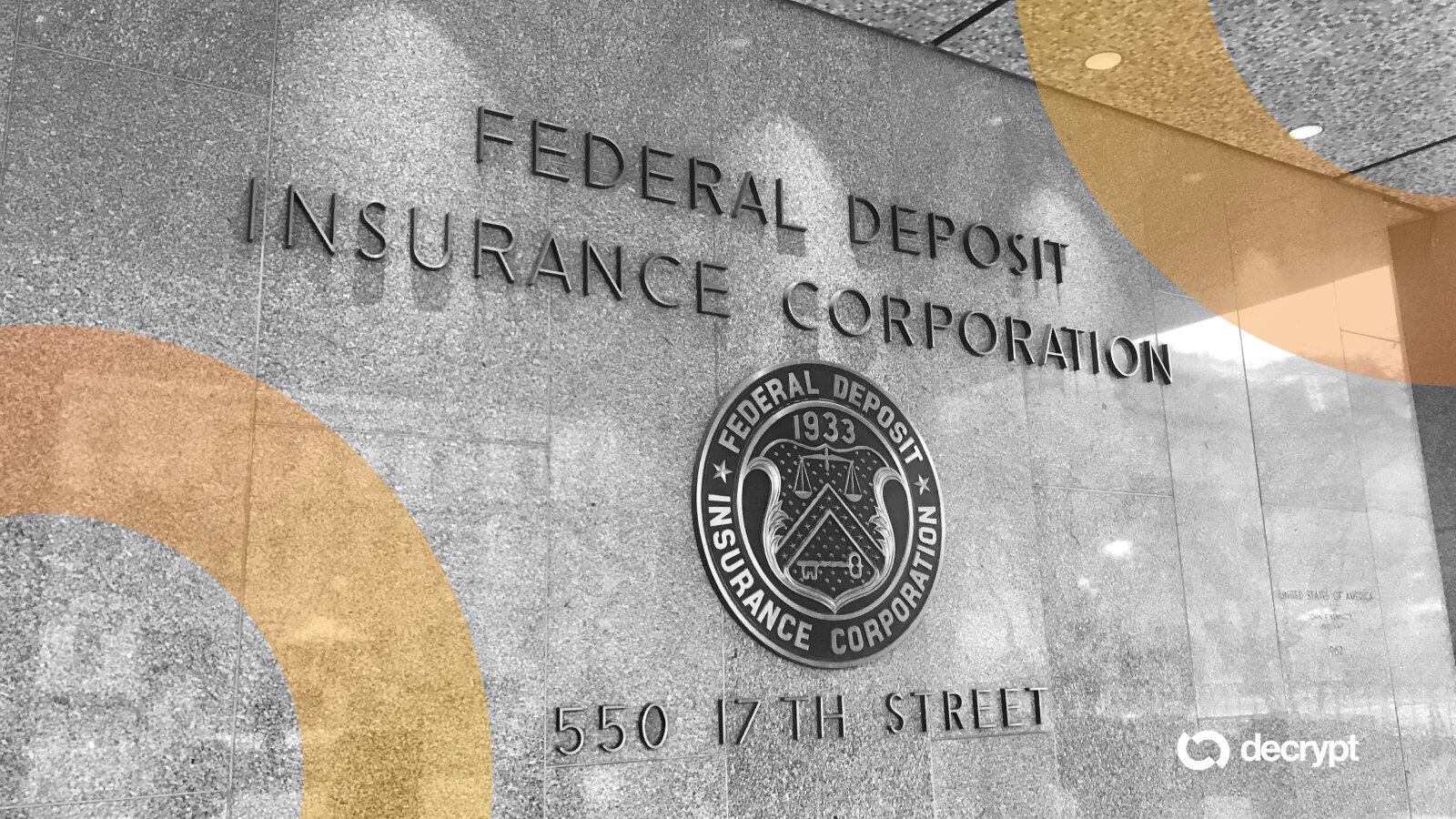
The Federal Deposit Insurance Corporation has released proposed regulations that would establish federal oversight standards for stablecoin issuers under the recently passed GENIUS Act. The framework clarifies that stablecoins will not receive FDIC deposit insurance coverage, a distinction that carries significant implications for the crypto industry's workforce and regulatory compliance teams.
New Regulatory Requirements Take Shape
The proposed rules create a formal supervisory structure for entities issuing payment stablecoins, requiring them to meet specific federal standards while operating under FDIC oversight. This regulatory clarity represents a significant shift in how U.S. authorities approach stablecoin regulation, moving from enforcement-based oversight to a structured licensing framework.
The explicit exclusion of stablecoins from deposit insurance protections marks a critical boundary between traditional banking products and digital assets. This distinction will require crypto firms to clearly communicate to users that stablecoin holdings lack the same protections as traditional bank deposits, creating new responsibilities for compliance and legal teams.
Workforce Implications
The framework's implementation will likely drive demand for professionals who understand both traditional financial regulation and blockchain technology. Companies seeking to issue stablecoins under the new rules will need to build robust compliance infrastructure, creating opportunities for:
- Regulatory compliance specialists with crypto experience
- Risk management professionals familiar with stablecoin reserve requirements
- Legal experts versed in both securities law and blockchain technology
- Operations teams capable of meeting federal reporting standards
Existing stablecoin issuers will need to evaluate their current structures against the new federal standards, potentially requiring organizational adjustments and additional hiring to meet compliance requirements.
Looking Ahead
For blockchain professionals, these proposed rules signal continued regulatory maturation in the U.S. crypto sector. While the framework introduces additional compliance obligations, it also provides clearer guidelines for companies operating in the stablecoin space. Organizations preparing for these regulations should prioritize building teams with traditional finance regulatory experience alongside blockchain expertise, as the convergence of these two worlds becomes increasingly critical to successful operations in the evolving digital asset landscape.


