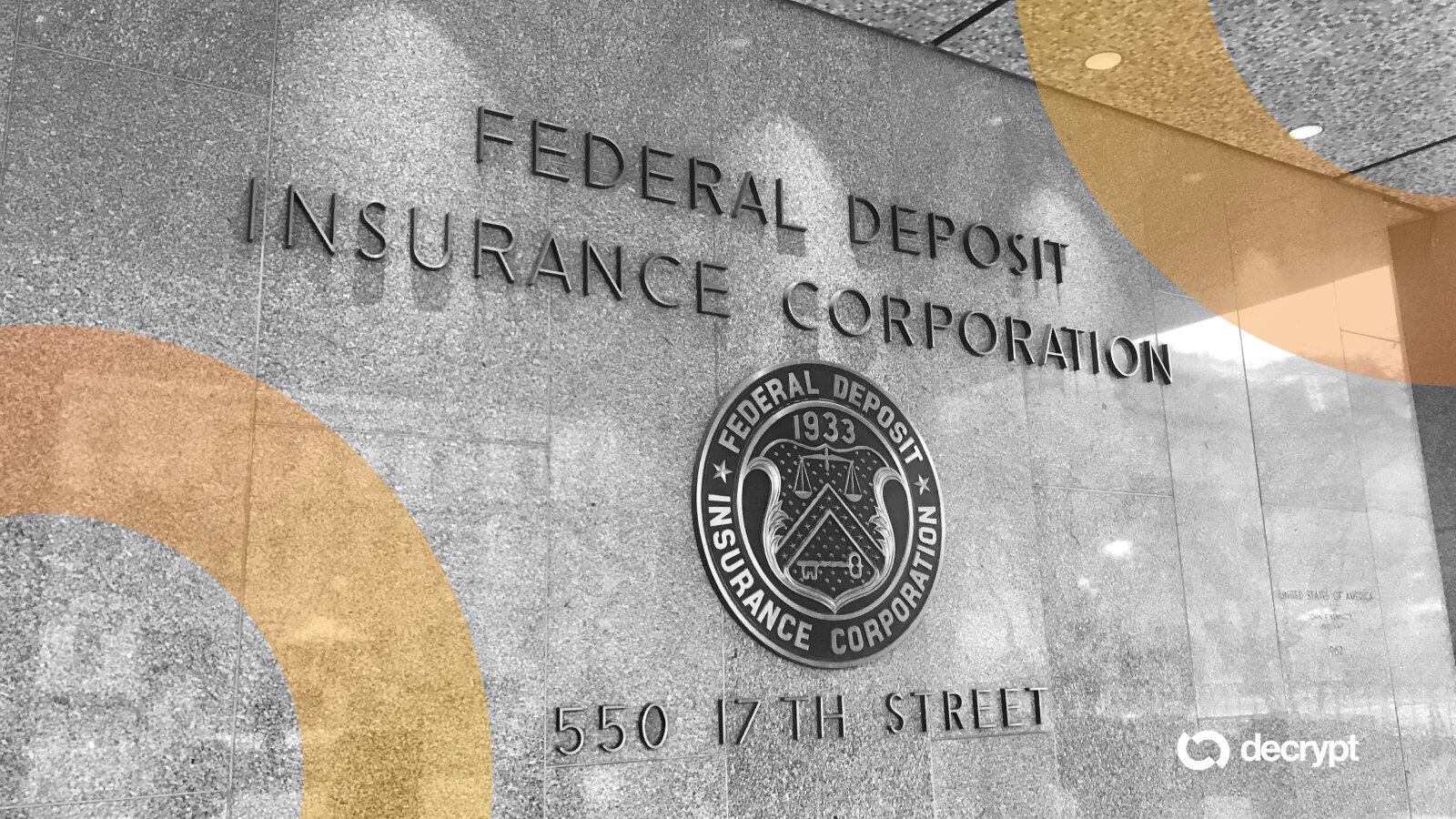
The Federal Deposit Insurance Corporation has agreed to settle a Freedom of Information Act lawsuit filed by Coinbase, ending a legal dispute over allegedly coordinated efforts to restrict banking access for crypto companies. The settlement requires the FDIC to revise its transparency policies and cover Coinbase's legal costs.
Settlement Terms and Policy Changes
The FDIC will pay Coinbase's attorney fees and costs while dropping its opposition to FOIA requests related to so-called "pause letters"—internal communications that allegedly discouraged banks from servicing crypto clients. The settlement addresses Coinbase's accusations that federal regulators coordinated an informal campaign, dubbed "Operation Choke Point 2.0," to debank cryptocurrency firms without formal rulemaking processes.
Under the agreement, the banking regulator committed to improve transparency around how it communicates with financial institutions about serving crypto-related businesses. This marks a significant shift in regulatory approach, as federal agencies face mounting pressure to provide clearer guidance rather than informal pressure tactics.
The case centered on documents showing how regulators communicated with banks regarding digital asset services. Coinbase argued these communications created regulatory uncertainty that made traditional banks reluctant to work with legitimate crypto businesses, effectively cutting off the industry from banking infrastructure.
Impact on Crypto Industry Operations
This settlement arrives as the broader regulatory landscape for digital assets continues evolving. The outcome may signal more transparent communication channels between regulators and the crypto sector, potentially easing some operational challenges that have plagued blockchain companies seeking basic banking services.
For professionals in the crypto industry, this development could improve operational stability at companies that have struggled with banking relationships. Firms may face fewer unexpected account closures or service denials based on opaque regulatory guidance.
The settlement also demonstrates that crypto companies are increasingly willing to challenge regulatory overreach through legal channels—a trend that may reshape how agencies approach digital asset oversight. As regulatory frameworks mature, professionals working at the intersection of traditional finance and blockchain technology should expect more formalized processes and documented guidance rather than informal pressure campaigns.
This outcome may create demand for compliance professionals who can navigate evolving transparency requirements and documentation standards between crypto firms and banking regulators.