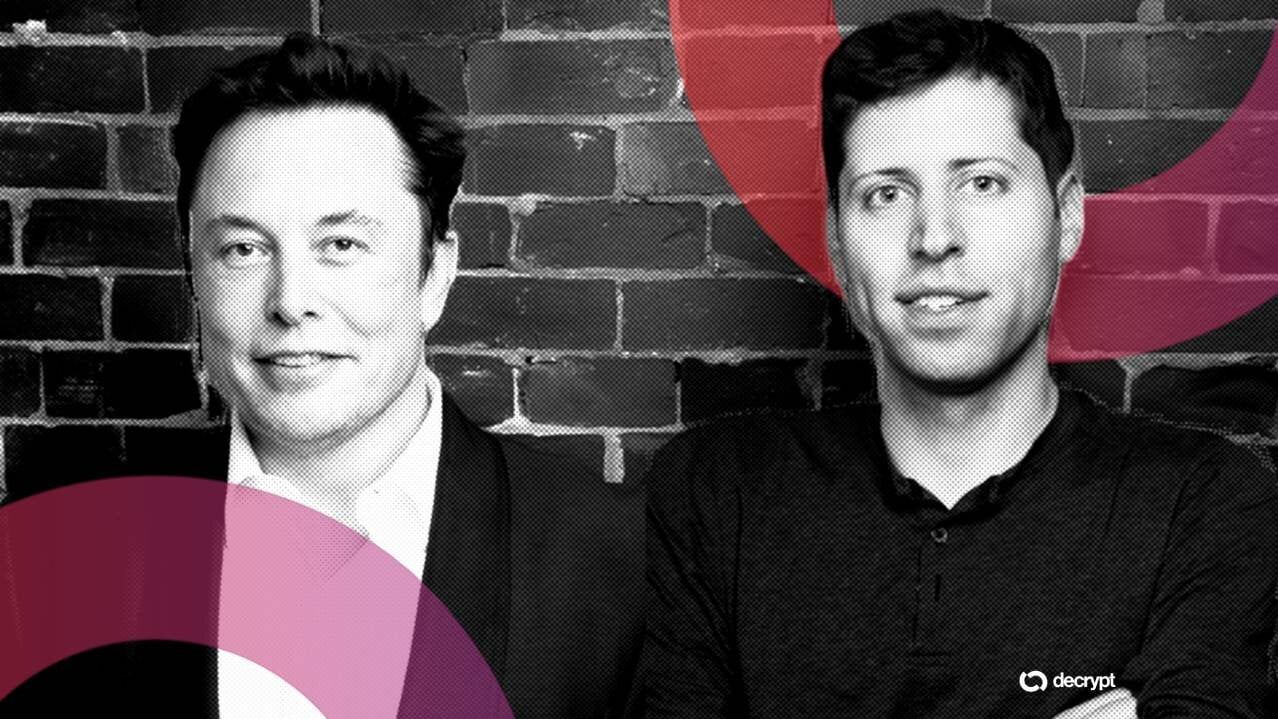
A federal judge has dismissed Elon Musk's xAI lawsuit against OpenAI, ruling that the complaint failed to establish a clear connection between OpenAI and alleged trade secret theft by former employees. The decision highlights the legal complexities surrounding employee mobility and intellectual property protection in the competitive AI sector.
Court Rules Against xAI's Claims
U.S. District Judge William Alsup dismissed the case after determining that xAI did not provide sufficient evidence linking OpenAI to the alleged misappropriation of confidential information. The lawsuit centered on claims that former xAI employees who joined OpenAI improperly used proprietary knowledge and trade secrets.
However, the dismissal comes with an option to refile. Judge Alsup granted xAI leave to amend and resubmit its complaint with more substantive evidence, suggesting the case may return to court if stronger documentation emerges connecting OpenAI's actions to any alleged wrongdoing.
The ruling underscores the high burden of proof required in trade secret litigation, particularly when allegations involve employee movement between competing organizations. Companies must demonstrate not just that employees possessed confidential information, but that their new employer actively solicited or benefited from that knowledge.
Implications for AI Talent Mobility
This case reflects broader tensions in the artificial intelligence industry, where competition for specialized talent remains intense and employee movement between major players is common. The outcome may influence how AI companies approach non-compete agreements, confidentiality protocols, and employee onboarding procedures.
For professionals working in AI and machine learning roles, the case serves as a reminder of the legal considerations surrounding job transitions. Engineers, researchers, and technical leaders moving between companies must navigate increasingly scrutinized employment changes, particularly when joining direct competitors.
The dismissal also suggests courts will require concrete evidence rather than circumstantial claims when companies allege improper knowledge transfer. This may provide some reassurance to professionals concerned about legal exposure when changing employers, though robust adherence to confidentiality obligations remains essential. As the AI sector continues consolidating top talent, employment agreements and intellectual property protections will likely face continued legal testing.


