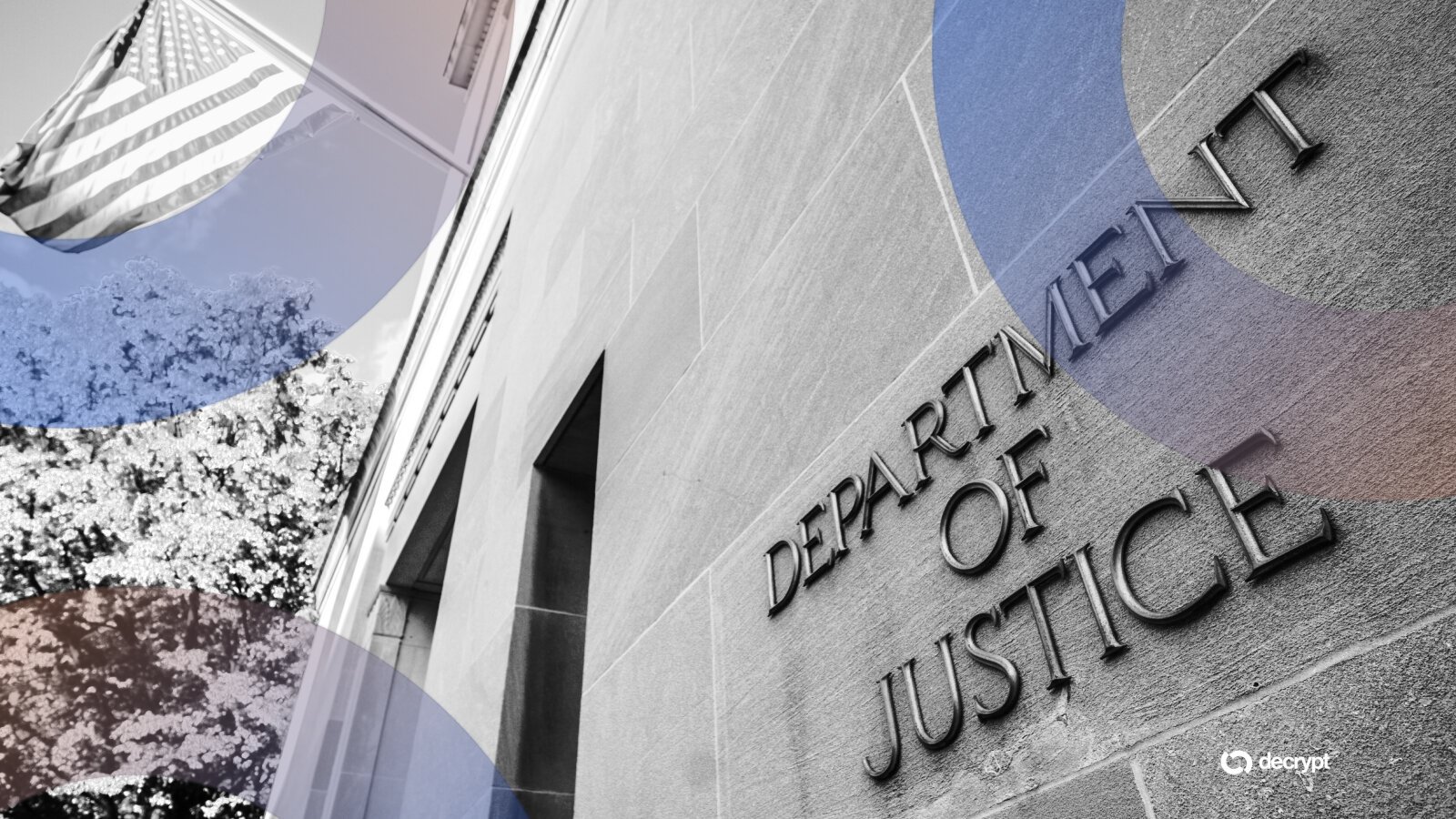
Federal prosecutors have charged an individual connected to the 2021 Uranium Finance exploit that drained $53 million from the decentralized exchange protocol. The indictment marks a significant enforcement action in crypto fraud cases and carries potential sentences of up to 30 years for fraud and money laundering charges.
Details of the Criminal Charges
The Department of Justice filed charges related to the April 2021 attack on Uranium Finance, a now-defunct automated market maker operating on Binance Smart Chain. The indictment includes multiple counts of wire fraud and money laundering, reflecting federal authorities' increasingly aggressive stance on prosecuting crypto-related crimes.
The case demonstrates law enforcement's growing capability to trace blockchain transactions and identify individuals behind supposedly anonymous crypto exploits. Prosecutors allege the defendant executed the attack by exploiting vulnerabilities in Uranium Finance's smart contract code, then attempted to obscure the stolen funds through various laundering techniques.
Implications for Blockchain Security Professionals
This prosecution highlights the elevated legal risks facing developers and security professionals in the crypto space. Smart contract auditors, protocol developers, and security engineers should note that regulatory scrutiny continues to intensify around DeFi platforms and their security practices.
The case also underscores the importance of robust security measures and proper code auditing before protocol launches. Organizations hiring blockchain developers increasingly prioritize candidates with demonstrated expertise in security best practices and formal verification methods.
For compliance professionals and legal specialists in crypto, this case represents the ongoing evolution of regulatory enforcement. Companies building DeFi protocols need experienced compliance officers who understand both technical vulnerabilities and regulatory requirements.
The 30-year potential sentence reflects prosecutors' treatment of crypto exploits as serious financial crimes rather than technical pranks or ethical hacking. Web3 professionals should recognize that the legal framework surrounding blockchain technology continues to mature, with real consequences for bad actors.
As the industry develops, demand for security auditors, compliance specialists, and experienced protocol developers with strong ethical foundations will likely increase. Organizations hiring in these areas should prioritize candidates who understand both technical security and the legal landscape governing blockchain applications.