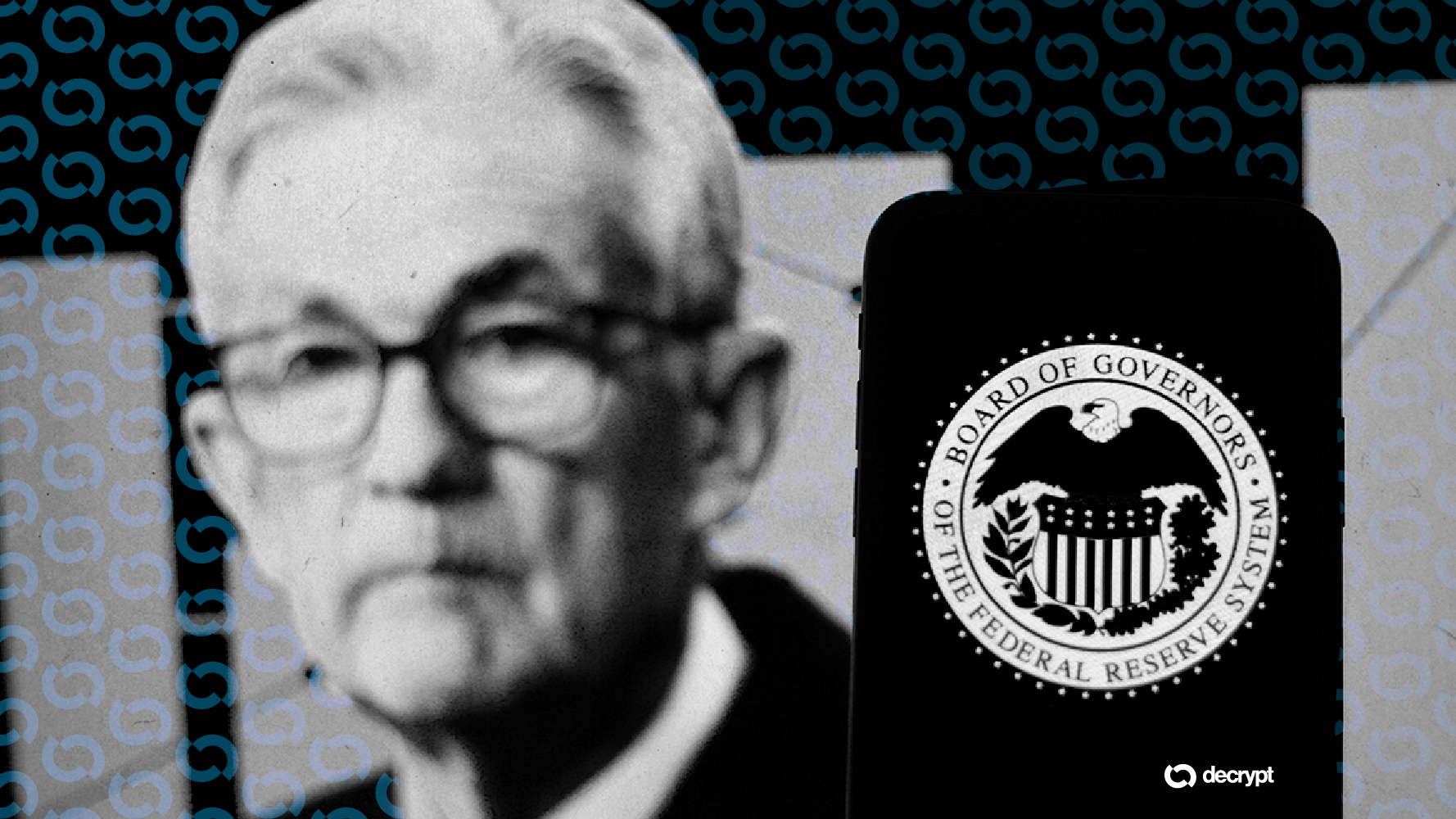
The U.S. Department of Justice has concluded its investigation into Federal Reserve Chair Jerome Powell, eliminating a potential obstacle to Senate confirmation proceedings for his nominated successor, Kevin Warsh. This development sets the stage for a leadership transition at the central bank that could have significant implications for monetary policy and the broader financial landscape, including crypto markets.
Investigation Closure Opens Path for Confirmation
The DOJ's decision to close its probe of Powell removes uncertainty that had complicated the confirmation process for Warsh, a former Fed governor nominated to lead the central bank. Senate proceedings can now advance without the cloud of an ongoing investigation into the current chair, streamlining what has been a contentious transition period.
The investigation's details remain limited, but its closure allows the Senate to focus on evaluating Warsh's qualifications and policy positions. For the crypto industry, this matters because Federal Reserve leadership directly influences regulatory approaches to digital assets, interest rate policy that affects risk asset valuations, and the development of central bank digital currency (CBDC) initiatives.
Implications for Crypto and Financial Markets
Warsh's potential confirmation carries particular relevance for blockchain professionals and crypto markets. His previous statements on monetary policy and digital currencies will likely face intense scrutiny during confirmation hearings. The crypto industry has grown substantially since Warsh last served at the Fed, making his views on digital asset regulation and innovation crucial for market participants.
Leadership changes at the Federal Reserve typically create periods of policy uncertainty that can affect hiring decisions and strategic planning at crypto firms. Companies often recalibrate their regulatory compliance teams and government relations functions when new Fed leadership takes office.
For Web3 professionals, particularly those in policy, regulatory compliance, and institutional finance roles, this transition period warrants close attention. Shifts in monetary policy direction or regulatory philosophy toward digital assets could create new opportunities or challenges across exchanges, DeFi protocols, and blockchain infrastructure companies. Staying informed about Warsh's confirmation process and stated positions will be essential for professionals navigating the intersection of traditional finance and digital assets.



