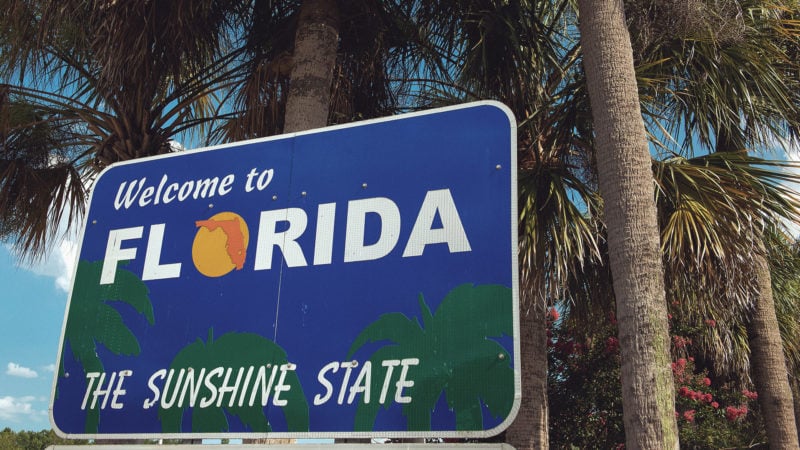
Florida has become the first U.S. state to pass comprehensive stablecoin legislation, establishing a regulatory framework that could shape how blockchain companies and financial technology professionals approach digital payment infrastructure. Senate Bill 314 creates specific requirements for payment stablecoin issuers operating within the state, coordinating with standards set by the federal GENIUS Act.
Regulatory Framework Takes Shape
The legislation establishes Florida as a testing ground for state-level digital asset regulation. Senate Bill 314 specifically targets payment stablecoin issuers, creating licensing requirements and operational standards that align with federal guidance while allowing state-level enforcement and oversight.
This dual-layer approach means companies issuing payment stablecoins must navigate both state and federal compliance frameworks. The bill's passage signals that stablecoin issuers will need dedicated compliance teams familiar with multi-jurisdictional requirements, potentially creating demand for regulatory specialists and compliance officers with expertise in both traditional finance and blockchain technology.
The Florida legislation's coordination with the GENIUS Act suggests a broader trend toward harmonized stablecoin regulation across state and federal levels, rather than a patchwork of conflicting requirements.
Implications for Crypto Workforce
For blockchain professionals, Florida's move represents a shift from regulatory uncertainty to defined operational parameters. Companies building payment infrastructure using stablecoins now have clearer guidelines for establishing operations in Florida, which could accelerate hiring in compliance, legal, and operations roles.
The legislation may attract stablecoin issuers and fintech companies to establish Florida operations, similar to how certain states became hubs for specific financial services through favorable regulatory environments. This could create regional job opportunities for blockchain developers, compliance specialists, and business operations professionals.
Professionals working in stablecoin projects should expect increased emphasis on regulatory knowledge and compliance experience. As other states potentially follow Florida's lead, expertise in navigating state-level digital asset frameworks will become increasingly valuable for both technical and non-technical roles in the crypto industry. The legislation marks a maturation point for the sector, where regulatory clarity enables more structured growth and professional development paths.


