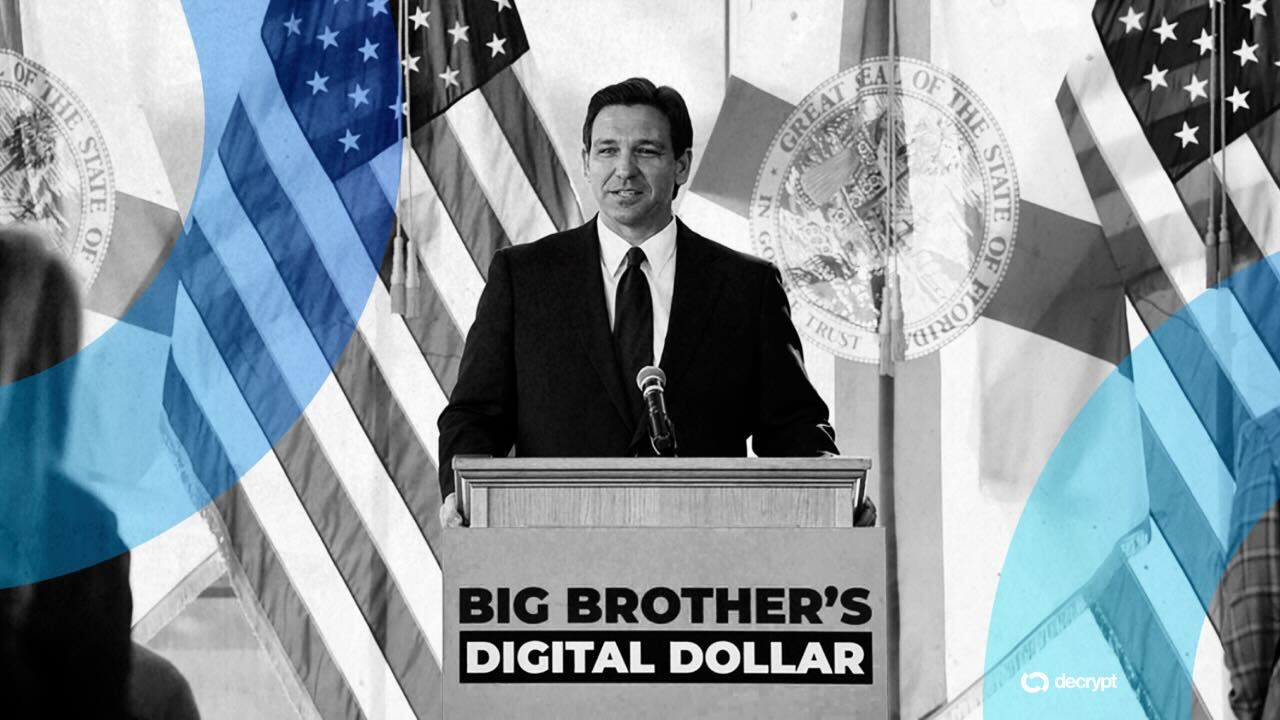
Florida Governor Ron DeSantis appears ready to sign stablecoin legislation that introduces regulatory oversight mechanisms similar to those he previously opposed in central bank digital currencies. The development creates potential implications for crypto companies and compliance professionals operating in the state.
Regulatory Framework Details
The proposed Florida stablecoin bill establishes a licensing system for stablecoin issuers while granting state regulators significant oversight capabilities. The legislation requires stablecoin providers to obtain state approval and submit to ongoing monitoring, including transaction surveillance powers that mirror features DeSantis criticized when opposing CBDCs.
DeSantis previously banned CBDCs in Florida, citing concerns over government surveillance and financial control. The governor argued that central bank digital currencies would enable authorities to monitor citizens' spending patterns and potentially restrict transactions based on political considerations.
However, the new stablecoin framework includes provisions allowing state regulators to:
- Access detailed transaction data from licensed issuers
- Monitor user activity on stablecoin platforms
- Enforce compliance through reporting requirements
- Maintain oversight of reserve backing and redemption processes
Implications for Industry Professionals
The apparent contradiction between the CBDC ban and stablecoin regulations creates uncertainty for blockchain professionals considering opportunities in Florida. Compliance officers, regulatory specialists, and legal professionals in the crypto sector will need to navigate this evolving framework as companies assess their operational strategies in the state.
For crypto businesses, the legislation may increase demand for compliance roles focused on state-level regulatory requirements. Companies operating stablecoin services or payment infrastructure will likely need to expand their legal and regulatory teams to meet Florida's oversight standards.
The development also highlights the growing complexity of state-by-state crypto regulation in the United States. Web3 professionals should monitor how Florida implements this framework, as it may influence other states' approaches to stablecoin oversight and digital asset regulation more broadly. Those working in regulatory compliance, policy advocacy, and legal counsel roles will find their expertise increasingly valuable as the regulatory landscape continues to fragment across different jurisdictions.


