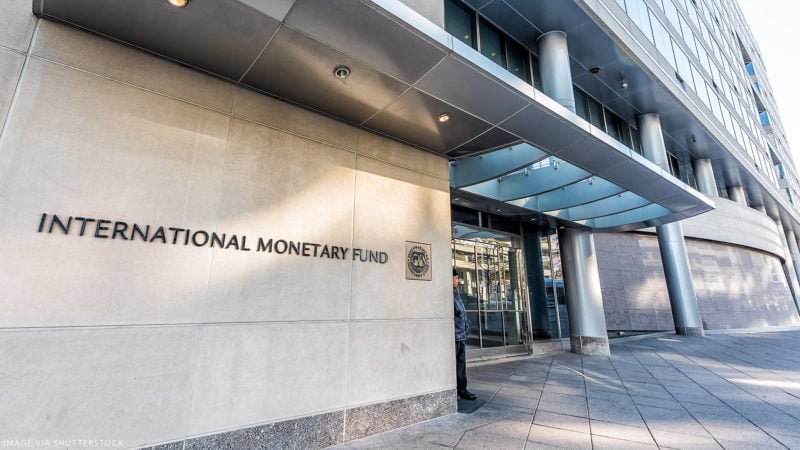
The International Monetary Fund has identified a significant shift in systemic risk as tokenization adoption accelerates across financial markets. Tobias Adrian, the IMF's Financial Counsellor and Director of Monetary and Capital Markets, stated that financial system vulnerabilities will increasingly migrate from traditional banks to market infrastructure providers and smart contract platforms.
This assessment carries direct implications for blockchain professionals, as the expected risk transition will likely drive demand for specialized talent in infrastructure security, smart contract auditing, and regulatory compliance.
Policy Framework Will Shape Market Structure
Adrian emphasized that regulatory decisions made today will determine whether tokenization creates a more resilient financial system or leads to fragmentation. The IMF views tokenization as a transformative force that could either enhance market efficiency through improved liquidity and transparency, or create new vulnerabilities if poorly implemented.
The organization's analysis suggests that as tokenized assets gain traction, the critical points of failure will shift from traditional financial intermediaries to the technical infrastructure underlying these systems. This transition places blockchain infrastructure providers, oracle networks, and smart contract platforms at the center of financial stability considerations.
Growing Demand for Risk Management Expertise
The IMF's warning signals an emerging need for professionals who can bridge traditional financial risk management with blockchain technology. Organizations developing tokenization platforms will need to staff teams capable of addressing both technical security concerns and systemic financial stability risks.
Key areas likely to see increased hiring demand include:
- Smart contract security auditors with financial systems expertise
- Compliance specialists familiar with both traditional finance and blockchain infrastructure
- Risk management professionals who understand decentralized systems
- Infrastructure engineers focused on high-availability financial platforms
The fund's position also suggests that regulatory clarity around tokenization standards will accelerate, creating opportunities for professionals with expertise in policy development and regulatory technology implementation.
For Web3 professionals, this assessment underscores the growing convergence between traditional finance and blockchain infrastructure. As tokenization moves from experimental phase to systemic importance, the industry will need talent capable of operating at institutional standards while maintaining the technological advantages that make tokenization valuable.



