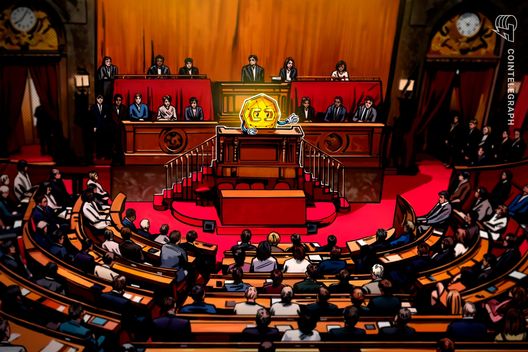
Industry executives testified before US lawmakers that tokenized securities should operate under existing investor protection and financial surveillance frameworks, signaling potential clarity for blockchain professionals working in regulated finance.
Regulatory Framework Takes Shape
During the recent congressional hearing, executives from major financial institutions and blockchain firms emphasized that tokenization doesn't fundamentally change the nature of securities. The consensus among witnesses centered on applying current securities regulations to tokenized assets rather than creating entirely new regulatory structures.
This approach would leverage existing rules from the Securities and Exchange Commission (SEC) and Financial Industry Regulatory Authority (FINRA), including know-your-customer (KYC) requirements, anti-money laundering (AML) protocols, and investor accreditation standards. The testimony suggests regulators may pursue a path of adapting current frameworks rather than building new ones from scratch.
For professionals working in digital asset compliance and regulatory technology, this direction indicates continued demand for expertise bridging traditional finance and blockchain technology. Companies tokenizing real-world assets will need teams familiar with both securities law and distributed ledger infrastructure.
Workforce Implications
The push for traditional regulatory compliance in tokenized securities creates specific hiring needs across the industry. Financial institutions exploring tokenization will require compliance officers who understand smart contract functionality, developers with securities law knowledge, and legal professionals versed in blockchain technology.
This regulatory approach also validates career paths in institutional crypto, suggesting tokenization roles will increasingly resemble traditional securities positions with added technical requirements. Professionals with backgrounds in broker-dealer operations, custody services, or transfer agent functions can transition into tokenized securities with blockchain upskilling.
The testimony reflects growing maturity in the digital assets sector, where regulatory clarity enables companies to build long-term teams rather than navigating uncertain legal landscapes. For job seekers, roles in tokenized securities may offer more stability than speculative crypto ventures, as companies operate within defined regulatory parameters.
As tokenization infrastructure develops under traditional securities frameworks, professionals should expect increased opportunities at the intersection of regulated finance and blockchain technology, particularly in compliance, legal, and technical implementation roles.


