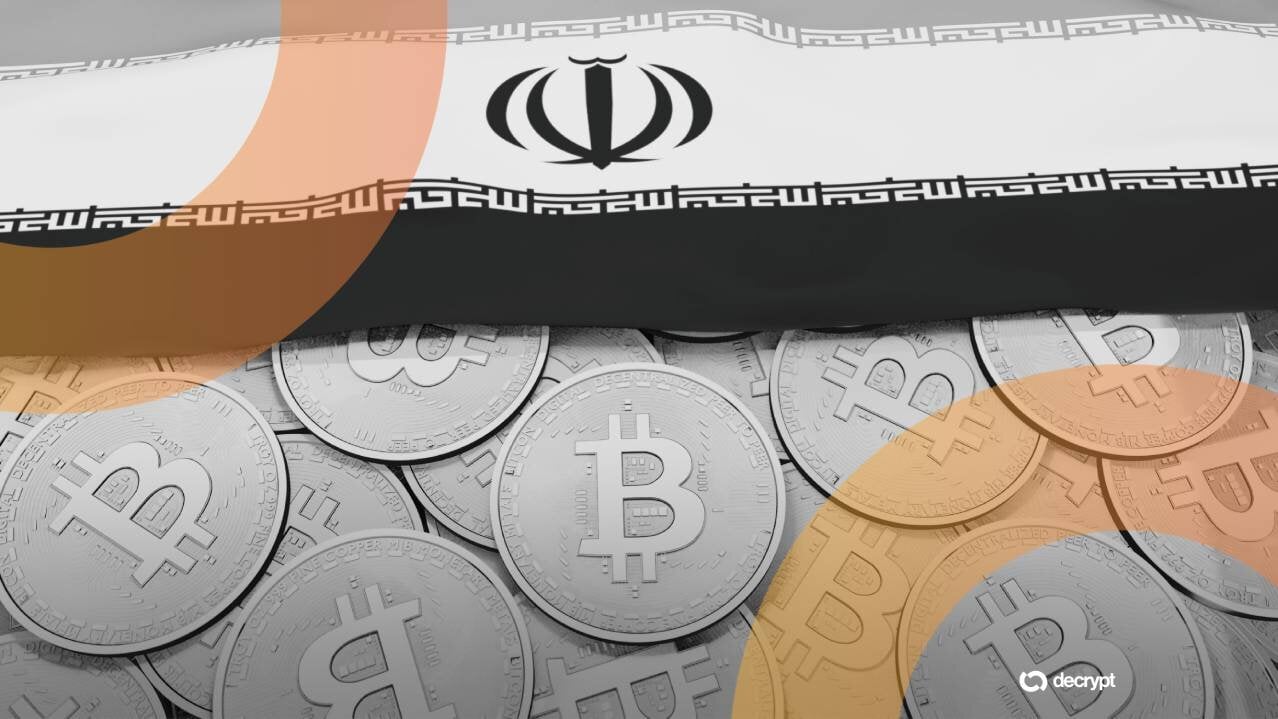
Iran is reportedly considering accepting Bitcoin payments from oil tankers seeking passage through the strategic Strait of Hormuz, marking a potential shift in how sanctioned nations engage with digital assets. The development comes as institutional investment in Bitcoin continues to accelerate, with Morgan Stanley contributing to record ETF inflows.
Geopolitical Implications for Crypto Commerce
The Strait of Hormuz serves as a critical maritime chokepoint for global oil shipments, handling roughly one-fifth of the world's petroleum traffic. Iran's potential acceptance of Bitcoin for transit fees represents a practical application of cryptocurrency in circumventing traditional financial sanctions. This use case demonstrates how digital assets increasingly function as alternatives to conventional payment rails in international commerce, particularly for nations facing restricted access to the global banking system.
For blockchain professionals, this development highlights growing demand for expertise in cross-border payment infrastructure and compliance frameworks. Organizations facilitating legitimate international transactions with Bitcoin may need specialists who understand both the technical and regulatory complexities of such arrangements.
Institutional Adoption Drives Market Growth
Simultaneously, traditional financial institutions continue expanding their cryptocurrency offerings. Morgan Stanley's participation in Bitcoin ETF investments contributed to significant daily inflows, reflecting sustained institutional interest despite market volatility. Major financial firms now actively build out their digital asset divisions, creating ongoing demand for professionals with expertise in crypto custody, regulatory compliance, and institutional trading infrastructure.
The convergence of institutional adoption and practical use cases in international commerce signals maturation in the cryptocurrency sector. Financial institutions require professionals who can bridge traditional finance and blockchain technology, while companies engaged in global trade increasingly need talent versed in digital asset payment systems.
Workforce Implications
These developments underscore two distinct career paths emerging in the crypto industry: roles supporting institutional investment infrastructure and positions focused on practical cryptocurrency applications in international commerce. Professionals with backgrounds in sanctions compliance, international trade finance, and cross-border payment systems may find growing opportunities as both private sector and nation-state actors explore cryptocurrency solutions for global transactions.
The sector's evolution beyond speculative investment toward functional utility in geopolitics and institutional portfolios suggests sustained long-term demand for blockchain talent across multiple specializations.



