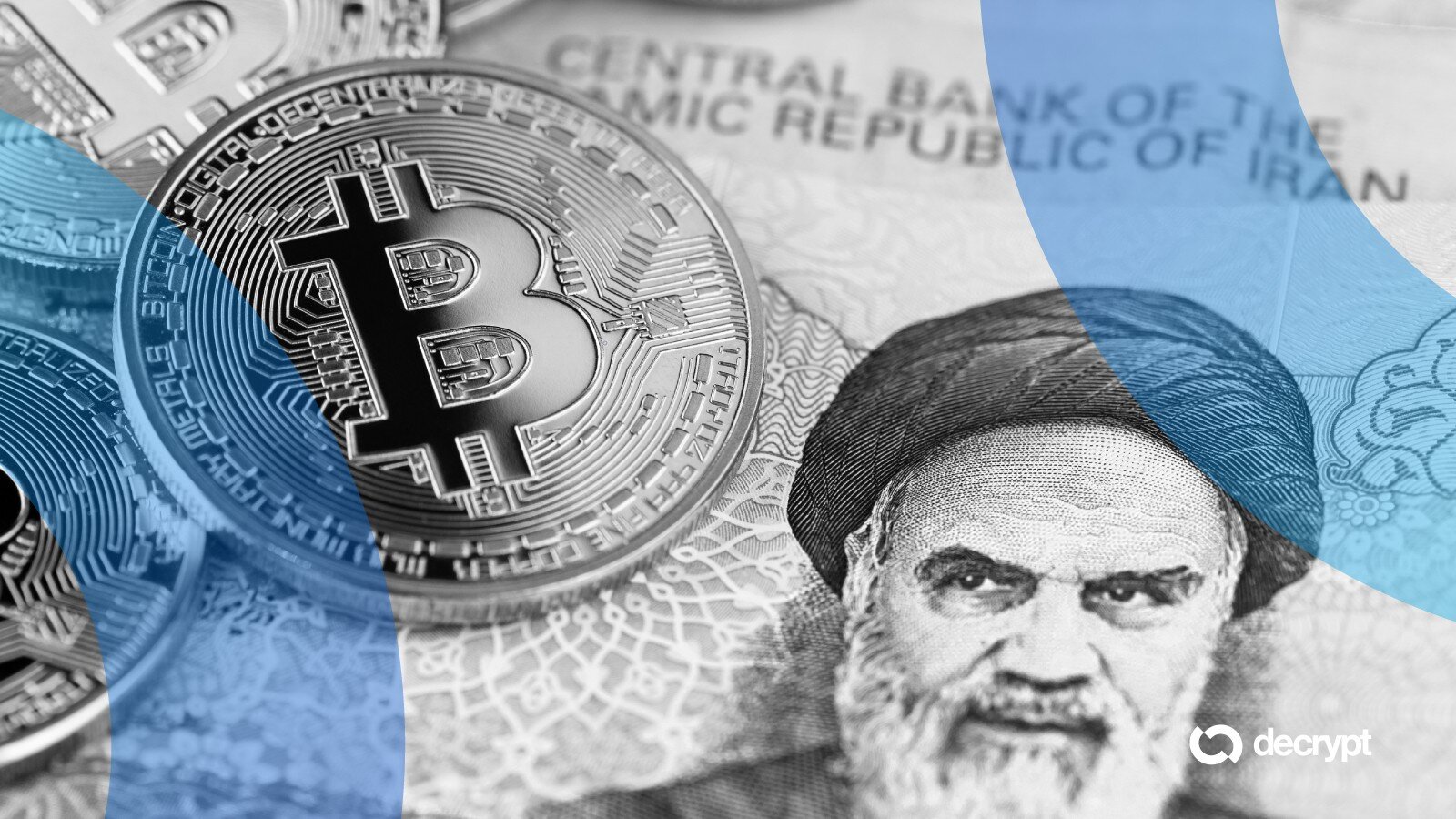
Iran has announced plans to accept Bitcoin payments from oil tankers transiting the Strait of Hormuz, according to a Financial Times report. Iranian officials stated the cryptocurrency payment option would help circumvent international sanctions by making the toll payments difficult to trace or confiscate.
Sanctions Evasion Through Cryptocurrency
The move represents another instance of sanctioned nations turning to cryptocurrency infrastructure to maintain international commerce. Iranian authorities specifically cited Bitcoin's resistance to traditional financial controls as the primary motivation for accepting the digital asset for maritime transit fees.
The Strait of Hormuz serves as a critical chokepoint for global oil transport, with approximately one-fifth of the world's petroleum passing through the narrow waterway. By demanding Bitcoin payments, Iran effectively forces international shipping companies to engage with cryptocurrency markets if they want assured passage through the strategic route.
This development raises questions about compliance obligations for maritime companies and their employees. Shipping firms operating in the region may need to expand their finance and treasury teams to include professionals with cryptocurrency expertise, particularly around digital asset custody, transaction management, and regulatory compliance.
Implications for Blockchain Professionals
The Iranian announcement highlights growing demand for blockchain specialists who understand the intersection of cryptocurrency, international sanctions law, and cross-border payments. Companies operating in global trade may increasingly seek professionals who can navigate these complex regulatory environments while managing digital asset transactions.
Maritime and logistics companies that previously avoided cryptocurrency exposure may now need to build internal capabilities or partner with service providers. This creates potential opportunities for compliance officers, blockchain analysts, and legal professionals specializing in sanctions and digital assets.
For web3 professionals, this development underscores the importance of understanding regulatory frameworks and compliance requirements. As more entities explore cryptocurrency for international payments—whether for legitimate trade or sanctions evasion—the industry will likely face increased scrutiny from regulators and financial authorities.
The situation also demonstrates how geopolitical factors continue shaping cryptocurrency adoption patterns, creating specialized niches within the broader blockchain employment market for professionals who can navigate these challenging intersections of technology, law, and international relations.



