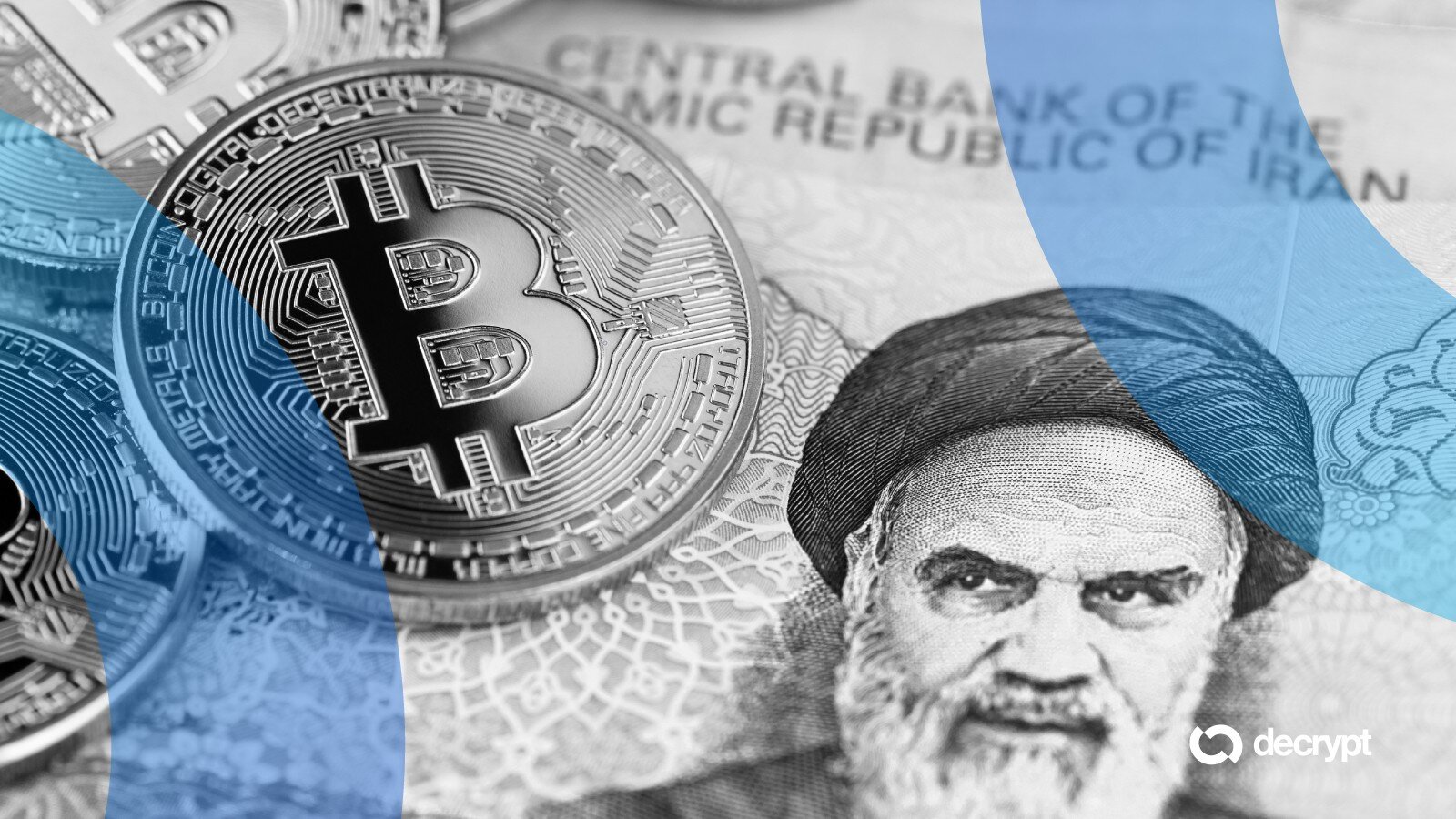
Blockchain analytics firm Chainalysis has documented significant cryptocurrency withdrawal activity from Iranian exchanges following recent US-Israeli military operations, with outflows totaling $10.3 million over several days. The data highlights how geopolitical instability continues to drive crypto adoption in regions facing economic uncertainty.
Withdrawal Patterns During Crisis
Hourly withdrawal volumes peaked at approximately $2 million during the immediate aftermath of the strikes, according to Chainalysis data. This represents a substantial increase from typical transaction volumes on Iranian exchanges, demonstrating how quickly local populations turn to digital assets during periods of heightened geopolitical tension.
The withdrawal spike reflects a broader pattern observed in conflict zones and regions facing economic instability, where residents use cryptocurrency as a means to preserve wealth and maintain financial mobility. Iranian citizens have increasingly relied on digital assets to circumvent international sanctions and protect against currency devaluation.
Implications for Blockchain Analytics Sector
This incident underscores the growing importance of blockchain intelligence and compliance roles within the crypto industry. As geopolitical events increasingly intersect with cryptocurrency markets, demand continues to rise for professionals who can track cross-border flows, analyze on-chain data, and ensure regulatory compliance.
Blockchain analytics firms like Chainalysis require specialists with expertise in forensic analysis, data science, and sanctions compliance. These positions have become critical as governments and financial institutions seek to understand cryptocurrency movements in politically sensitive regions.
Industry Outlook
For web3 professionals, this development highlights several career-relevant trends. Regulatory compliance and blockchain intelligence roles remain growth areas as institutions demand greater transparency in crypto transactions. Professionals with expertise in sanctions compliance, particularly those understanding Middle Eastern markets, may find increased opportunities.
The incident also demonstrates the real-world utility of cryptocurrency in crisis situations, reinforcing the long-term viability of blockchain infrastructure projects. Developers, security specialists, and compliance professionals working on exchange infrastructure and analytics tools continue to serve essential functions in the evolving digital asset ecosystem.


