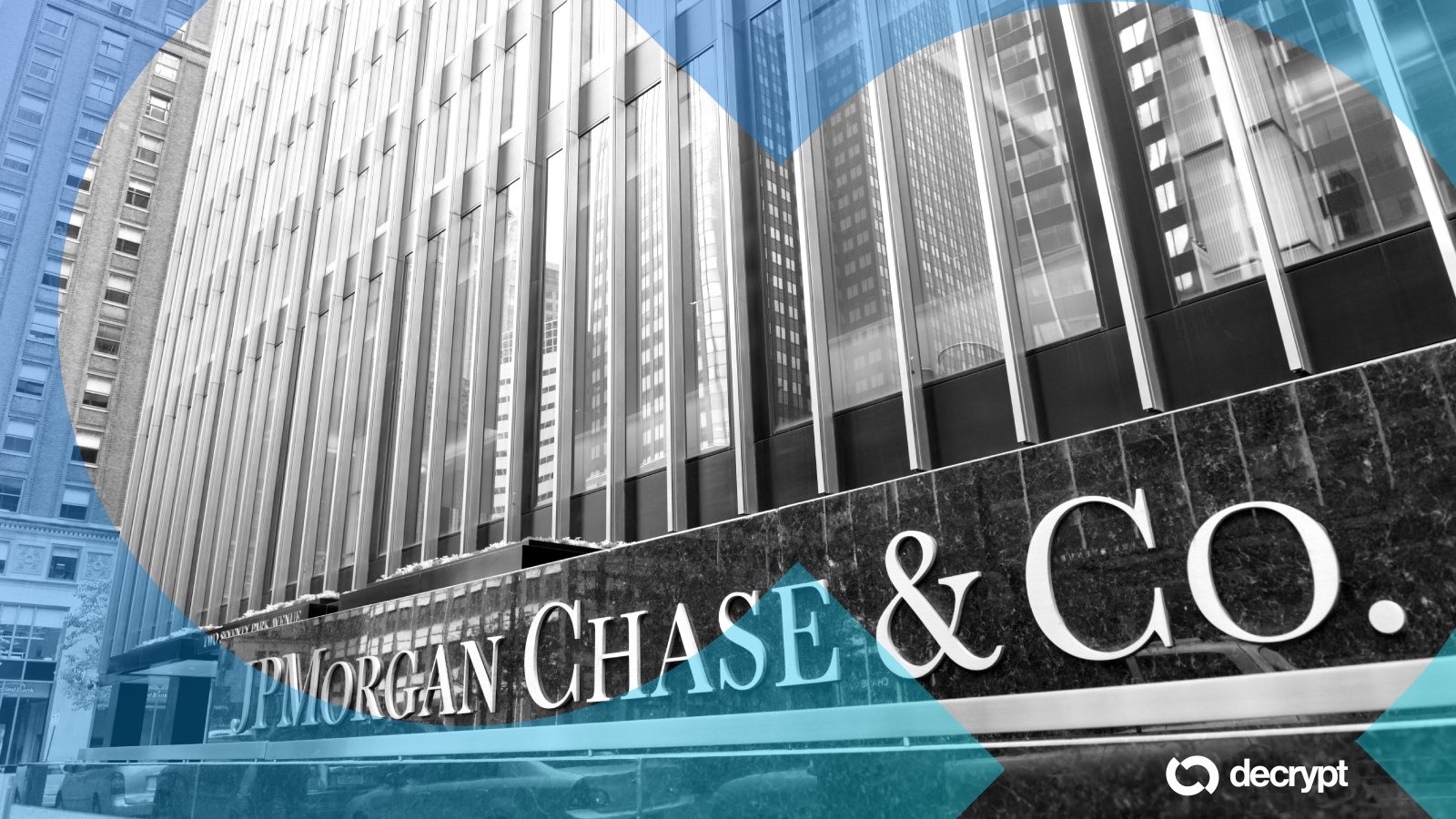
A new lawsuit alleges that JPMorgan Chase failed to prevent a client from operating a $328 million cryptocurrency fraud scheme, raising questions about traditional financial institutions' role in monitoring crypto-related activities and their potential liability exposure.
The Allegations
The legal action claims JPMorgan Chase maintained banking relationships with individuals allegedly running what prosecutors describe as a Ponzi scheme involving cryptocurrency investments. The lawsuit argues the bank should have identified and stopped suspicious financial activity flowing through accounts under its oversight.
The case highlights the ongoing tension between traditional banking institutions and cryptocurrency operations, particularly as banks face increasing pressure to monitor clients engaged in digital asset transactions. Financial institutions have historically struggled to balance customer service with compliance obligations when dealing with crypto-related businesses.
Implications for Financial Compliance
This lawsuit could signal broader scrutiny of how banks handle accounts connected to cryptocurrency operations. Traditional financial institutions have become key gatekeepers for crypto businesses seeking access to banking services, yet many remain cautious about the sector due to regulatory uncertainty and reputational risks.
The case may prompt banks to implement more stringent monitoring protocols for crypto-related accounts, potentially affecting how blockchain companies and crypto professionals access banking services. Enhanced due diligence requirements could create additional friction for legitimate crypto businesses seeking traditional banking relationships.
Impact on the Crypto Industry
For web3 professionals, this development underscores the importance of working with compliant, transparent organizations. The reputation of the broader crypto industry remains vulnerable to high-profile fraud cases, particularly those involving substantial sums and connections to mainstream financial institutions.
Compliance and risk management roles within crypto companies may see increased demand as both blockchain firms and traditional banks strengthen their monitoring capabilities. Financial crime prevention specialists with expertise in cryptocurrency transactions could become increasingly valuable as regulatory expectations evolve.
The outcome of this lawsuit may influence how banks approach relationships with crypto-related clients, potentially reshaping the intersection between traditional finance and digital assets. Web3 professionals should monitor how this case affects banking access and compliance requirements across the industry.


