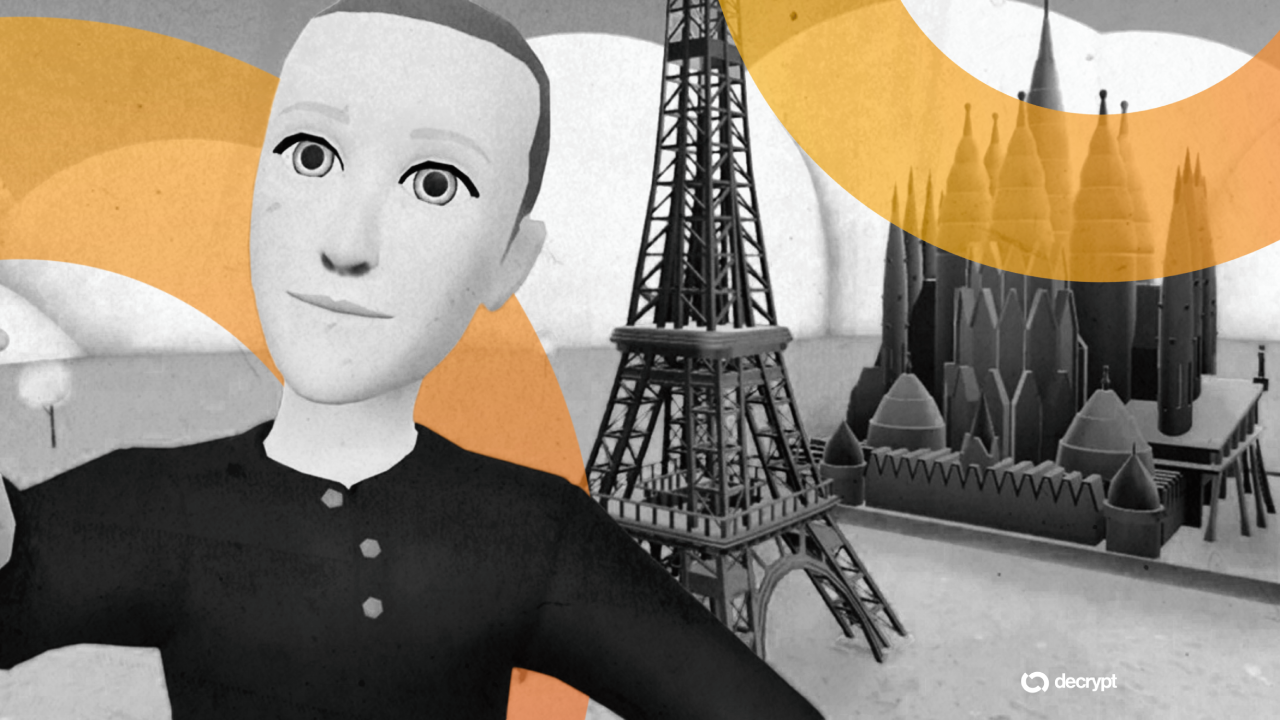
Meta is developing a photorealistic AI-powered avatar of CEO Mark Zuckerberg, marking a significant evolution from the company's widely criticized cartoon-style Horizon Worlds avatars that drew ridicule in 2021. The move signals Meta's continued investment in avatar technology and virtual presence capabilities, areas that continue to shape hiring priorities across the organization.
Technical Advancement in Avatar Development
The new photorealistic avatar represents a substantial technical leap from Meta's previous efforts. Unlike the simplified digital representations that became an internet meme three years ago, this AI-driven clone aims to deliver lifelike visual fidelity and realistic interactions. The technology builds on Meta's ongoing research in computer vision, AI rendering, and real-time graphics processing.
Meta has consistently invested in its Reality Labs division despite substantial losses, with the company viewing advanced avatar technology as foundational to its metaverse ambitions. This latest development demonstrates the company's commitment to improving digital representation quality, a critical component for both consumer adoption and enterprise applications.
Workforce Implications
Meta's continued focus on photorealistic avatars has direct implications for blockchain and web3 professionals, particularly those working at the intersection of AI, 3D rendering, and decentralized virtual worlds. The technology development underscores sustained demand for specialists in computer vision, machine learning, and real-time graphics engineering within Meta and competing platforms.
As companies across the web3 ecosystem develop their own metaverse and virtual presence solutions, expertise in avatar creation, AI-driven animation, and realistic rendering continues to grow in value. Professionals with backgrounds in game engines, neural rendering, and 3D asset creation remain in high demand as platforms compete to deliver convincing virtual experiences.
The development also highlights the convergence of traditional tech and web3 approaches to virtual identity. While Meta pursues centralized avatar systems, decentralized platforms are exploring NFT-based identity and portable digital representations across different virtual environments.
For web3 professionals, Meta's technical progress in this space serves as both a benchmark and competitive challenge, potentially accelerating innovation and creating additional opportunities across the broader virtual identity and digital presence sectors.


