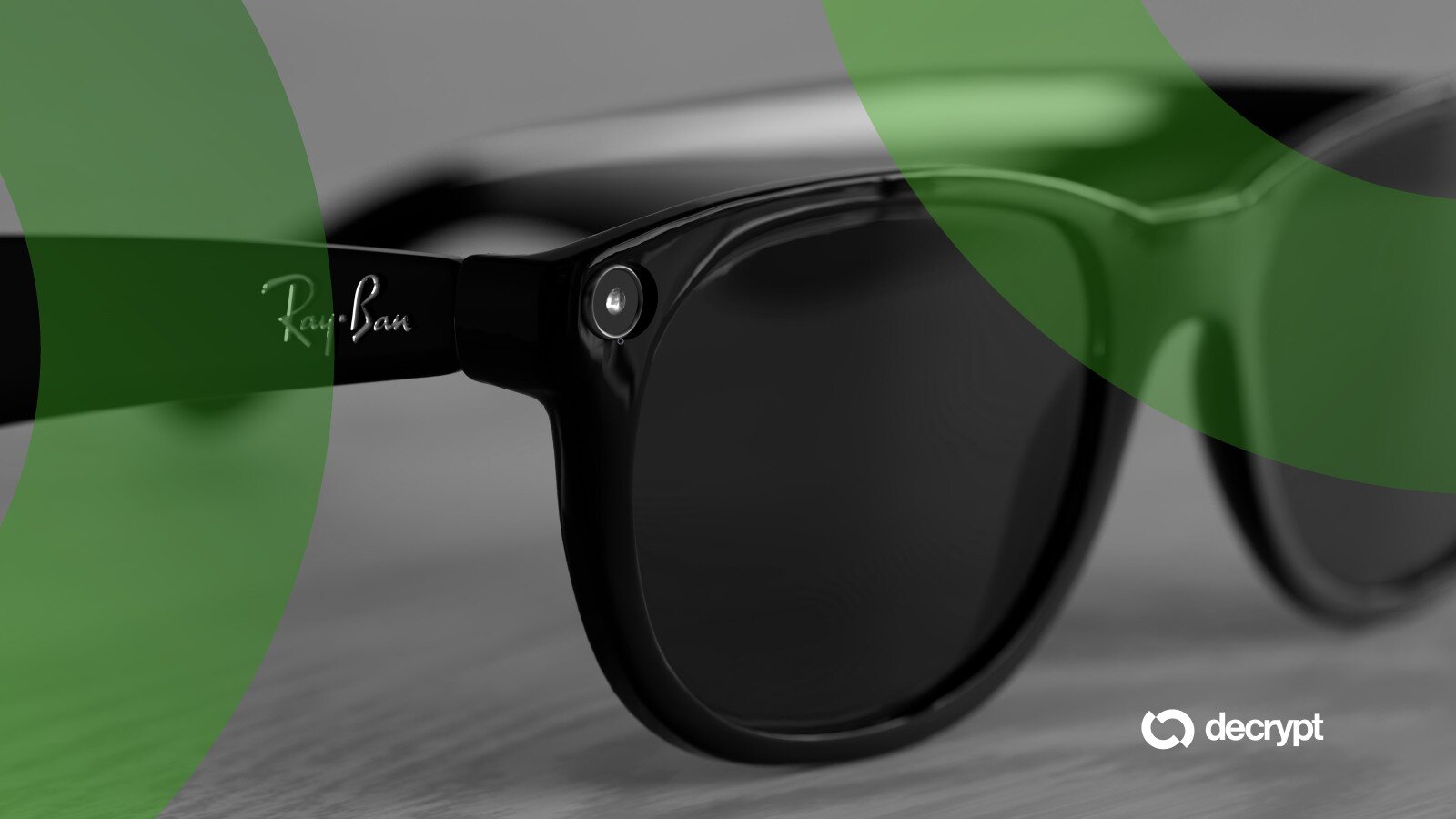
Meta's Ray-Ban smart glasses are drawing increased regulatory and legal attention as privacy concerns, lawsuits, and government investigations mount. The developments highlight growing tensions between emerging AI wearable technology and personal privacy protections—issues that could reshape job requirements and compliance roles across the tech industry.
Legal and Regulatory Pressure Intensifies
Multiple jurisdictions have launched investigations into Meta's AI-enabled eyewear following complaints about unauthorized recordings and potential privacy violations. The glasses, which enable wearers to capture photos and videos while appearing to be ordinary eyewear, have sparked concerns about covert surveillance in public and private spaces.
Several lawsuits have been filed challenging the devices' compliance with recording consent laws, particularly in states requiring two-party consent for audio recordings. Privacy advocates have submitted formal complaints to data protection authorities, arguing that the technology's discreet design makes it nearly impossible for bystanders to know when they're being recorded or analyzed by AI systems.
Implications for Tech Companies and Developers
These challenges arrive as tech companies accelerate development of AI-powered wearables and augmented reality devices. Organizations building similar products will need to expand their legal, compliance, and ethics teams to navigate the complex regulatory landscape emerging around ambient computing devices.
The scrutiny also signals increased demand for professionals specializing in privacy-by-design principles, particularly those who can balance innovation with regulatory compliance. Engineers and product managers working on wearable AI technology may face new requirements to implement stronger privacy controls and user consent mechanisms.
Industry Impact
For blockchain and Web3 professionals, these developments underscore broader debates about data ownership, consent, and surveillance—themes central to decentralized technology philosophies. Companies exploring decentralized identity solutions or privacy-preserving technologies may find opportunities as traditional tech firms seek alternatives to centralized data collection models.
The ongoing investigations could establish precedents affecting how AI-enabled devices handle user data, potentially creating new compliance requirements across the technology sector. Professionals with expertise in privacy law, AI ethics, and regulatory compliance should expect increased demand as companies adapt to evolving standards for wearable technology and ambient AI systems.


