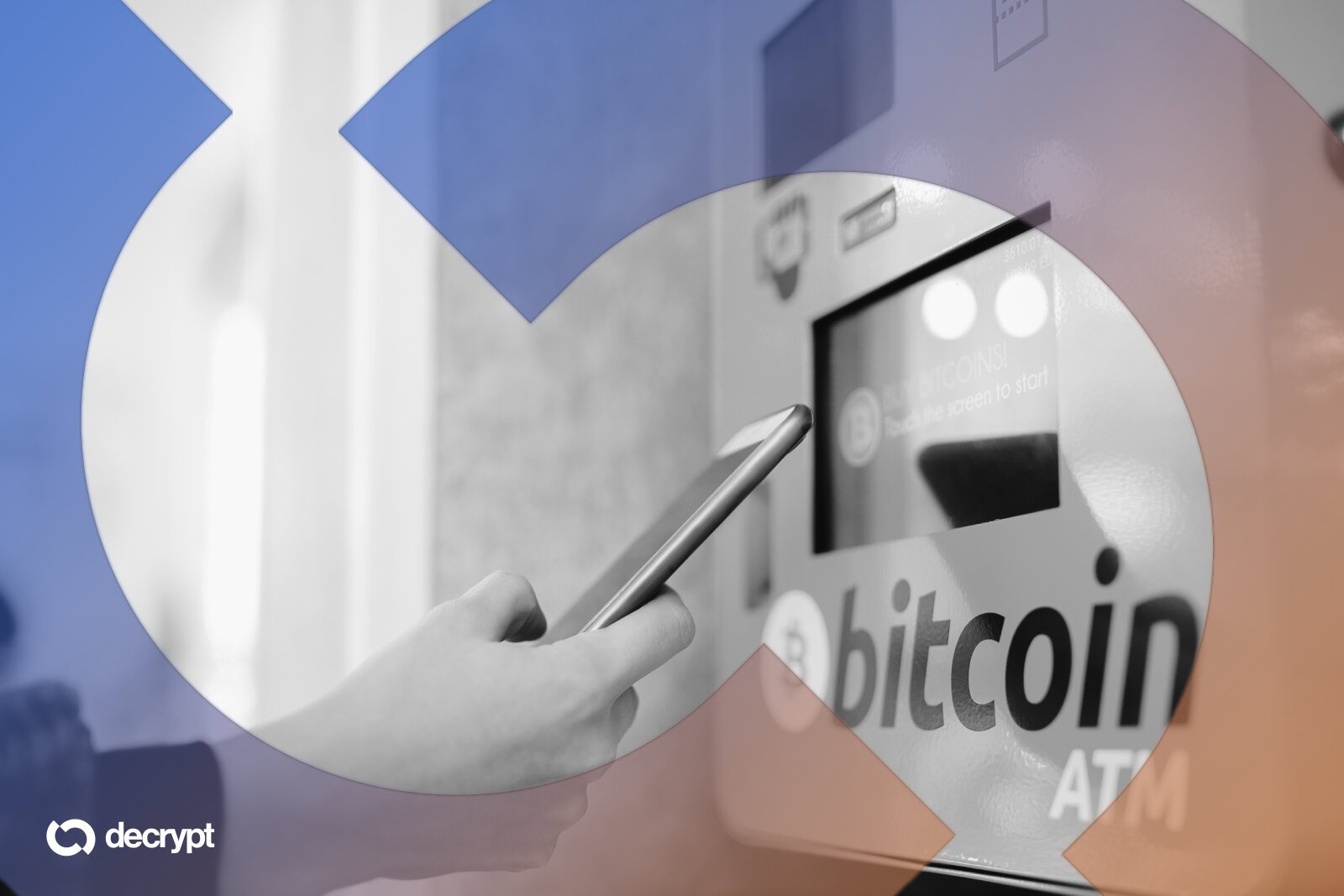
Minnesota lawmakers have introduced legislation that would prohibit Bitcoin and cryptocurrency ATMs throughout the state, marking one of the most restrictive approaches to crypto infrastructure in the United States. The proposed ban responds to an increasing number of scam reports involving these machines.
Legislative Response to Consumer Protection Issues
The bill represents a significant regulatory development as state officials grapple with consumer protection challenges in the crypto sector. Rather than implementing additional safeguards or operator requirements, legislators have opted for a complete prohibition of crypto ATM installations and operations within Minnesota's borders.
Crypto ATMs have become targets for various fraud schemes, particularly affecting older adults and less tech-savvy users. Scammers often direct victims to deposit cash into these machines as part of elaborate social engineering attacks, including romance scams, fake tech support calls, and impersonation schemes involving government agencies.
Impact on Blockchain Industry and Employment
This legislative approach could have broader implications for how states regulate crypto infrastructure and the businesses that support it. For professionals working in compliance, operations, or business development at crypto ATM companies, such restrictions may force strategic pivots or geographic relocations.
The Minnesota proposal reflects a regulatory trend where some jurisdictions favor prohibition over frameworks that balance consumer protection with innovation. This creates an increasingly complex landscape for blockchain companies expanding their physical infrastructure and hiring teams to support these operations.
Companies operating crypto ATMs employ compliance officers, field technicians, business development staff, and customer support teams. A state-level ban would eliminate these positions within Minnesota while potentially encouraging similar legislation elsewhere.
Considerations for Web3 Professionals
For blockchain professionals, particularly those in regulatory affairs and policy roles, this development underscores the importance of proactive engagement with state legislators. The crypto industry's ability to demonstrate effective self-regulation and consumer protection measures may determine whether other states follow Minnesota's approach or pursue more balanced regulatory frameworks.
Those working in crypto infrastructure, compliance, or policy should monitor how this legislation progresses, as it may signal broader trends affecting employment opportunities and business operations across multiple states.


