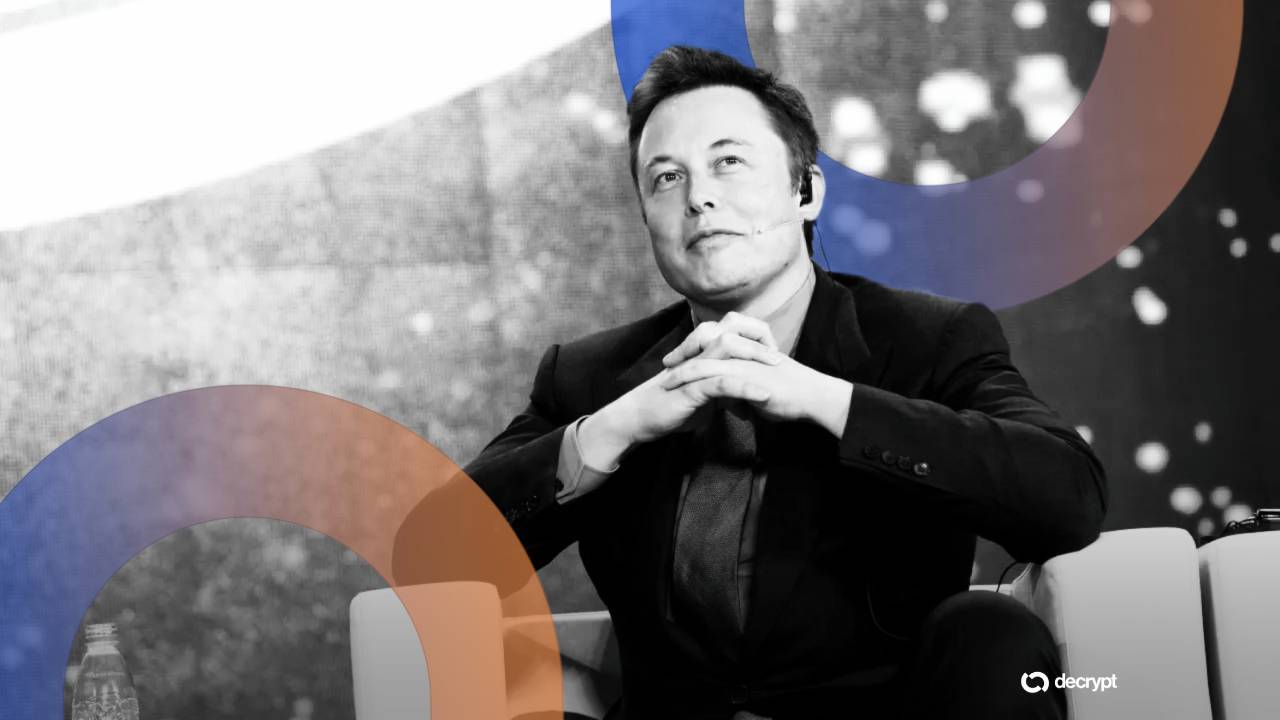
Elon Musk has integrated his artificial intelligence venture xAI into SpaceX, signaling a strategic shift toward space-based computing infrastructure. The move responds to mounting power and cooling limitations facing terrestrial data centers, with implications for the expanding overlap between AI development and aerospace engineering talent.
Infrastructure Bottlenecks Drive Strategic Pivot
Musk cited fundamental constraints on Earth-based AI infrastructure as the primary driver behind the integration. Power availability and thermal management have emerged as critical bottlenecks for the massive computational requirements of advanced AI systems. These limitations affect not only xAI but the broader AI industry, where companies compete for increasingly scarce data center capacity.
The consolidation positions SpaceX's Starship launch system as central to the company's AI computing roadmap. By relocating computational workloads to orbit, the combined entity aims to bypass terrestrial energy grid constraints and leverage the natural cooling properties of space environments.
Workforce Implications for Tech Professionals
This merger creates a unique intersection of skill sets rarely combined within single organizations. Professionals with backgrounds spanning artificial intelligence, machine learning, aerospace engineering, and satellite systems will find growing demand as the strategy advances.
The integration suggests SpaceX will need to expand hiring across multiple technical disciplines. Roles in thermal engineering for space environments, satellite communications, radiation-hardened computing systems, and AI infrastructure optimization will likely see increased openings. The company's existing workforce of approximately 13,000 employees may see significant growth to support this expanded mission.
For professionals currently focused on data center operations and AI infrastructure, this development signals potential diversification opportunities. Understanding space-based systems architecture may become valuable as other major tech companies evaluate similar approaches to computational scaling challenges.
Looking Ahead
The xAI-SpaceX integration represents a pragmatic response to physical infrastructure limitations rather than speculative technology development. As Earth-based power and cooling constraints intensify, other technology firms may explore alternative deployment models, creating new career pathways for professionals willing to work across traditional industry boundaries.
Web3 and crypto professionals should note these developments, as blockchain networks similarly face computational and energy considerations at scale.