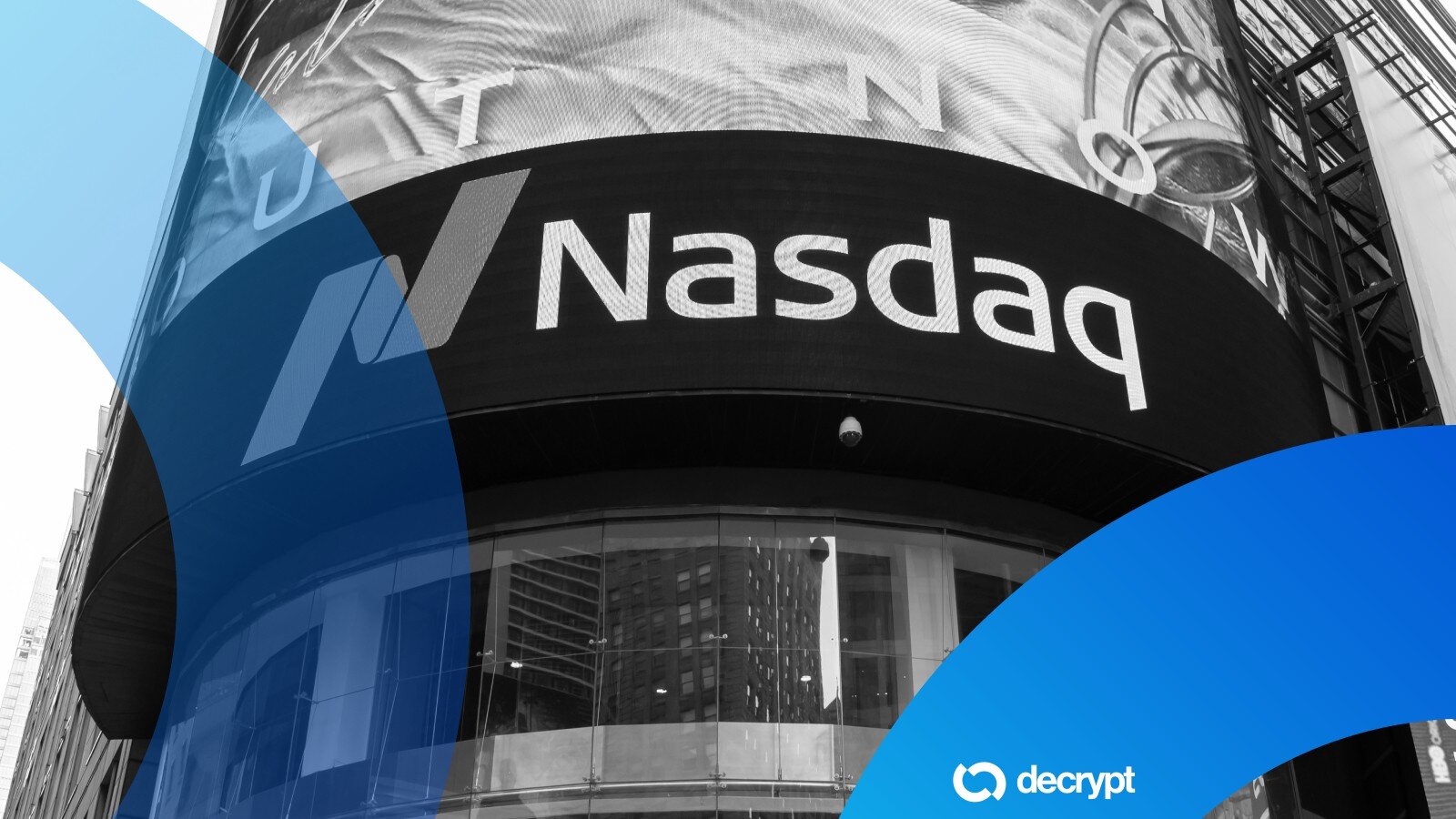
The Securities and Exchange Commission has granted Nasdaq approval to launch a pilot program for trading tokenized versions of select stocks and exchange-traded funds. The initiative represents a significant regulatory milestone for blockchain technology integration within traditional financial infrastructure, though operations will remain within existing market frameworks.
Testing Blockchain Rails Within Traditional Markets
Nasdaq's pilot program will explore tokenization of securities while maintaining compliance with current market regulations. The exchange plans to test how blockchain technology can enhance trading operations for specific stocks and ETFs without departing from established market structures.
The SEC's approval signals growing regulatory comfort with tokenization as a technological upgrade rather than a departure from traditional finance. This approach allows Nasdaq to experiment with distributed ledger technology while preserving investor protections and market oversight mechanisms that currently govern securities trading.
The pilot's scope remains limited to testing purposes, giving both Nasdaq and regulators opportunity to evaluate performance, security, and operational efficiency before considering broader implementation.
Implications for Blockchain Professionals
This development creates potential career opportunities at the intersection of traditional finance and blockchain technology. As major exchanges explore tokenization, demand for professionals with expertise in both securities markets and distributed ledger systems will likely increase.
Financial institutions watching Nasdaq's pilot may accelerate their own blockchain initiatives, potentially expanding job openings for developers, compliance specialists, and infrastructure engineers familiar with tokenized asset frameworks. Professionals with securities licensing combined with blockchain technical skills could find themselves particularly well-positioned.
The pilot also suggests that regulatory pathways for blockchain integration in traditional finance are becoming clearer. For web3 professionals considering transitions between crypto-native companies and traditional financial institutions, this regulatory clarity may reduce friction in bringing blockchain expertise to established markets.
As tokenization moves from experimental concept to regulated pilot programs at major exchanges, the skillset required for blockchain implementation in traditional finance becomes more defined, offering web3 professionals concrete opportunities to apply their expertise within established institutional frameworks.



